
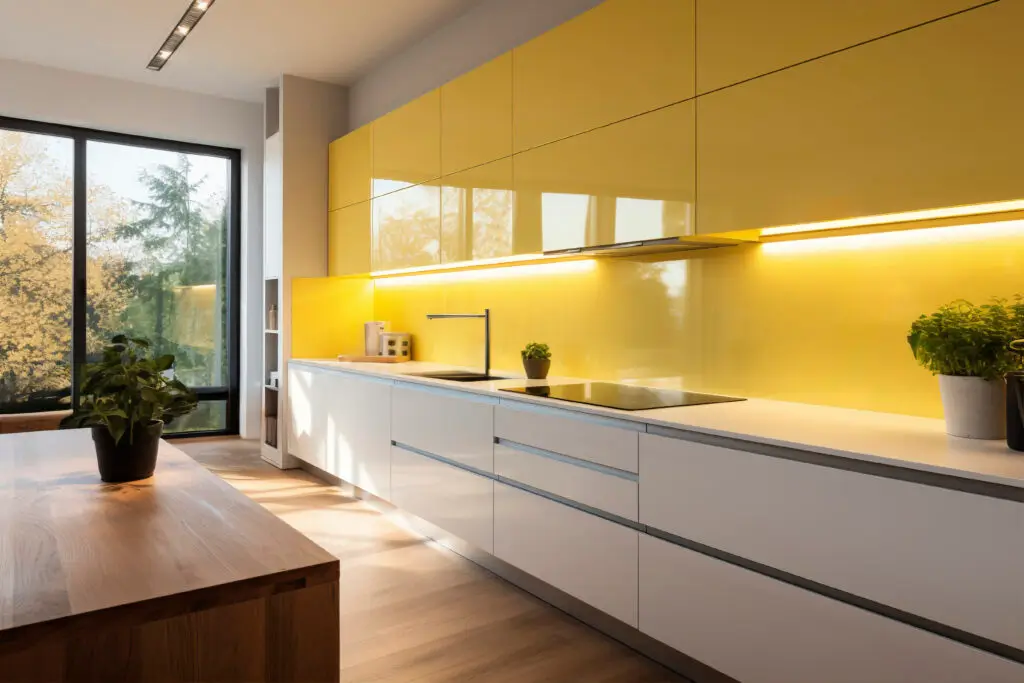
In the world of American kitchen design, the monochromatic “all-white” kitchen is gracefully sharing the spotlight with a more dynamic approach. Two-tone cabinetry has emerged as a favorite for homeowners looking to break up the visual monotony of a large kitchen while maintaining a classic, high-end feel. By mixing wood finishes with paint or contrasting stains, you can create a space that feels curated rather than “cookie-cutter.”
Quick Answer: Two-Tone Cabinets Add Depth and Visual Interest
Two-tone cabinetry involves using two different colors or finishes for the cabinets in a single kitchen. Typically, this is executed by having one color for the upper cabinets and another for the lower cabinets, or by featuring a contrasting color for the kitchen island.
Why two-tone kitchens are trending
The trend has gained momentum because it offers the “best of both worlds.” It allows homeowners to incorporate bold colors or natural wood textures without overwhelming the room. Additionally, the two-tone approach is highly effective at grounding the space; by placing darker colors on the bottom, the kitchen feels more anchored and architecturally sound.
Upper vs. lower cabinet color strategies
The most common strategy is “Tuxedo Cabinets,” where the uppers are light and the lowers are dark. This creates an upward visual flow, making the ceiling feel higher and the room feel airier. Conversely, using a wood finish on the lowers and a solid paint color on top creates a “furniture-like” aesthetic that feels warm and inviting.
Popular Two-Tone Wood Cabinet Combinations
Selecting the right pair of finishes is the most critical step in the design process. Here are the combinations currently dominating U.S. design magazines:
White uppers with wood lowers
This is the “modern farmhouse” staple. White upper cabinets reflect light, keeping the workspace bright, while natural wood lower cabinets (like white oak or walnut) add organic texture. This combination hides scuffs and kicks on the lower cabinets better than white paint would.
Dark lowers with light wood uppers
For a more contemporary or “moody” vibe, pairing charcoal, navy, or forest green lower cabinets with light wood uppers (like maple or birch) creates a striking contrast. This setup works exceptionally well in kitchens with plenty of natural light.
Painted cabinets with a wood island
If you aren’t ready to commit to a full two-tone split between uppers and lowers, the kitchen island is the perfect place to experiment. A natural wood island serves as a beautiful centerpiece and a “warm” anchor in an otherwise white or grey painted kitchen.
Choosing the Right Wood Finish
When mixing paint and wood, the undertones of the wood are what will make or break the design.
Warm vs. cool wood tones
- Warm Woods: Oak, cherry, and walnut have yellow, red, or orange undertones. These pair beautifully with creamy whites, warm greys, and earthy greens.
- Cool Woods: Ash or certain maples can have cooler, greyish undertones. These are best paired with “cool” whites, navy blue, or slate grey.
Matching floors and countertops
Your wood cabinets should not be identical to your wood floors. If they are too similar, the kitchen will look “washed out.” Aim for at least two shades of difference between the cabinets and the flooring. For countertops, quartz with light veining is a popular choice for two-tone kitchens as it bridges the gap between the two cabinet colors.
Common Design Mistakes to Avoid
Too much contrast
While you want distinction, having two colors that are polar opposites (like a stark neon and a dark wood) can feel jarring. Look for a “common thread,” such as hardware or a backsplash tile that incorporates both tones, to harmonize the look.
Ignoring lighting
Dark lower cabinets can make a kitchen feel cave-like if there is no “toe-kick” lighting or under-cabinet task lighting. Ensure your lighting plan accounts for the darker surfaces that will absorb more light.
FAQs
Do two-tone cabinets make kitchens look bigger?
Yes, specifically when the upper cabinets are a lighter color than the lowers. The lighter uppers blend into the walls, making the boundaries of the room feel further away.
Are two-tone cabinets timeless or trendy?
While they are certainly “on-trend” now, the use of wood in kitchens is fundamentally timeless. As long as you choose classic wood species and avoid overly “trendy” paint colors (like bright pinks or teals), a two-tone kitchen will age gracefully.
Should hardware match both colors?
Most designers recommend using the same hardware finish (e.g., all brushed brass or all matte black) throughout the kitchen to provide a sense of continuity. However, you can vary the style of hardware—knobs on uppers and pulls on lowers—as long as the finish remains consistent.
Transform Your Kitchen with Anderson’s Painting
Ready to give your kitchen a high-end designer look without the cost of a full remodel? Professional cabinet refinishing is the most cost-effective way to achieve the two-tone kitchen of your dreams. At Anderson’s Painting, we specialize in precision cabinet painting and staining, ensuring a factory-smooth finish that stands the test of time.
Bring your vision to life with the experts. Contact Anderson’s Painting today for a professional consultation and quote!