
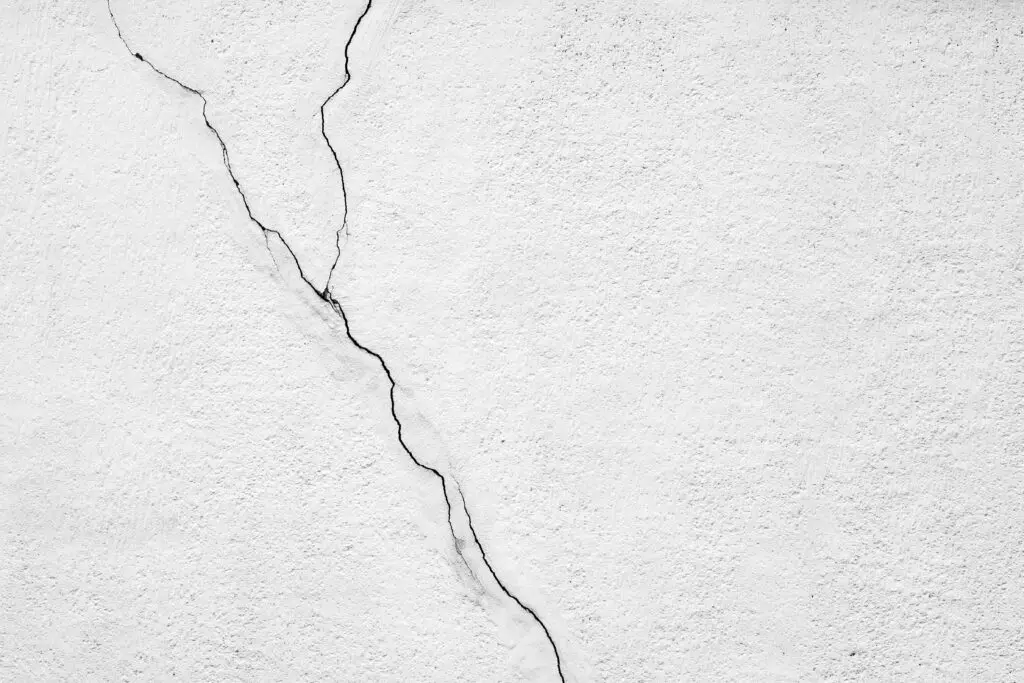
Stucco is a durable and attractive exterior finish, but over time, cracks can appear due to various factors. Repairing these cracks promptly is crucial not only for aesthetics but also to prevent water infiltration and further damage. Many common stucco cracks can be fixed with DIY solutions.
Why do stucco cracks happen?
Stucco is a cement-based material, and like all rigid materials, it’s susceptible to cracking. Common reasons include:
- Building Movement: Minor settling of the foundation or structural movement of the house.
- Temperature Fluctuations: Expansion and contraction of materials due to heat and cold.
- Moisture: Water infiltration and subsequent freezing/thawing.
- Improper Installation: Insufficient curing time, poor mix ratios, or inadequate substrate preparation during original installation.
- Impact: Physical damage from objects hitting the wall.
Types of cracks: hairline, structural, settlement
Understanding the type of crack helps determine the best repair method:
- Hairline Cracks: Very thin, superficial cracks (less than 1/16 inch wide). These are common and usually just cosmetic, often due to normal curing or minor temperature changes. They rarely indicate structural issues.
- Structural Cracks: Wider cracks (1/4 inch or more), often extending through the stucco and into the underlying wall structure. These can be indicative of more serious foundation or structural problems and usually require professional assessment. They may appear diagonally from window or door corners.
- Settlement Cracks: Often wider and appear in zigzag patterns, usually following the mortar joints in masonry behind the stucco. These also suggest underlying structural movement and should be evaluated by a professional.
Materials needed: acrylic caulk, elastomeric sealant, patch tubes
For DIY repairs of hairline to small (up to 1/8 inch wide) cracks:
- Exterior Acrylic Caulk: Good for very small hairline cracks. Paintable.
- Elastomeric Stucco Sealant: More flexible and durable than standard caulk, ideal for cracks up to 1/8 inch. It expands and contracts with temperature changes, providing a longer-lasting seal. Paintable.
- Small Stucco Patch Tube/Compound: For wider, non-structural cracks (e.g., up to 1/4 inch) or small holes. These often come in small tubs or tubes and can be textured.
- Wire Brush or Stiff Bristle Brush: For cleaning the crack.
- Utility Knife or Crack Chaser Tool: To widen the crack slightly.
- Caulking Gun: For sealants/caulk.
- Trowel or Putty Knife: For smoothing patch compound.
- Clean Cloths/Sponge: For cleaning.
- Primer (optional but recommended): For patching compounds before painting.
- Exterior Paint: To match your stucco.
Step-by-step repair
Clean and widen the crack
- Clean: Use a stiff brush or wire brush to remove any loose debris, dirt, and crumbling stucco from inside and around the crack.
- Widen (slightly): For cracks wider than hairline, use a utility knife or a crack chaser tool to slightly widen the crack into a “V” shape. This creates a better surface for the sealant or patch to adhere. Be careful not to make it too wide.
Apply sealant/patch compound
- For Hairline to 1/8″ Cracks: Load your caulking gun with elastomeric stucco sealant. Cut the tip to a small opening. Apply a continuous bead of sealant directly into the crack, ensuring it fills the entire depth.
- For Wider Cracks (up to 1/4″): Use a small stucco patch tube or compound. Apply the compound using a putty knife, pressing it firmly into the crack to eliminate air pockets.
Texture match and smooth
- For Sealant: After applying the sealant, use a wet finger (wearing a glove) or a damp sponge to smooth the bead and blend it into the surrounding stucco texture.
- For Patch Compound: Once the patch compound is applied, use a trowel or putty knife to smooth it flush with the existing stucco. If your stucco has a specific texture, you can try to replicate it while the patch is still wet using a sponge, brush, or even a specialized texturing tool. This step requires a bit of artistry to blend seamlessly.
Paint to blend
- Cure Time: Allow the sealant or patch compound to dry and cure completely according to the manufacturer’s instructions. This can take several hours to a few days.
- Prime (if using patch): For patch compounds, applying an exterior primer before painting will ensure better paint adhesion and a more uniform finish.
- Paint: Apply exterior paint that matches your existing stucco color. You might need to paint the entire wall section or even the whole wall for a seamless blend, especially if the stucco color has faded over time.
Why do recurring cracks happen?
Recurring cracks often indicate a deeper issue than just surface-level wear.
- Ongoing Structural Movement: If the underlying foundation or framing is still shifting, cracks will reappear.
- Inadequate Previous Repair: If the crack wasn’t properly prepared or the wrong material was used (e.g., rigid caulk on a moving crack), it will likely fail.
- Water Issues: If moisture is constantly infiltrating the wall and freezing/thawing, it will continue to cause stress and cracking.
- Original Installation Flaws: Stucco applied over an unstable substrate or without proper expansion joints can lead to persistent cracking.
When professional help is needed?
While DIY fixes are great for minor cracks, always call a professional for:
- Wide or Deep Cracks: Cracks 1/4 inch or wider, or those that extend into the foundation.
- Cracks Above Windows/Doors: Especially if they are diagonal, as this often signals structural stress.
- Webbing or Map Cracking: A network of fine cracks over a large area, which can indicate issues with the stucco mix or moisture.
- Bulging or Soft Stucco: Signs of water damage or detachment from the substrate.
- Recurring Cracks: If a crack keeps reappearing after you’ve tried to fix it, it’s a sign of an underlying problem that needs expert diagnosis.
- Anderson’s Painting specializes in stucco repair and painting. Our team can assess the severity of your stucco cracks, perform lasting repairs, and ensure a seamless paint match to protect and beautify your home.
Check it out: Painting vs. Stucco: Key differences explained
Don’t let stucco cracks compromise your home’s integrity! Anderson’s Painting offers expert stucco repair services, from minor fixes to comprehensive solutions. Contact us for a free estimate and protect your investment!