
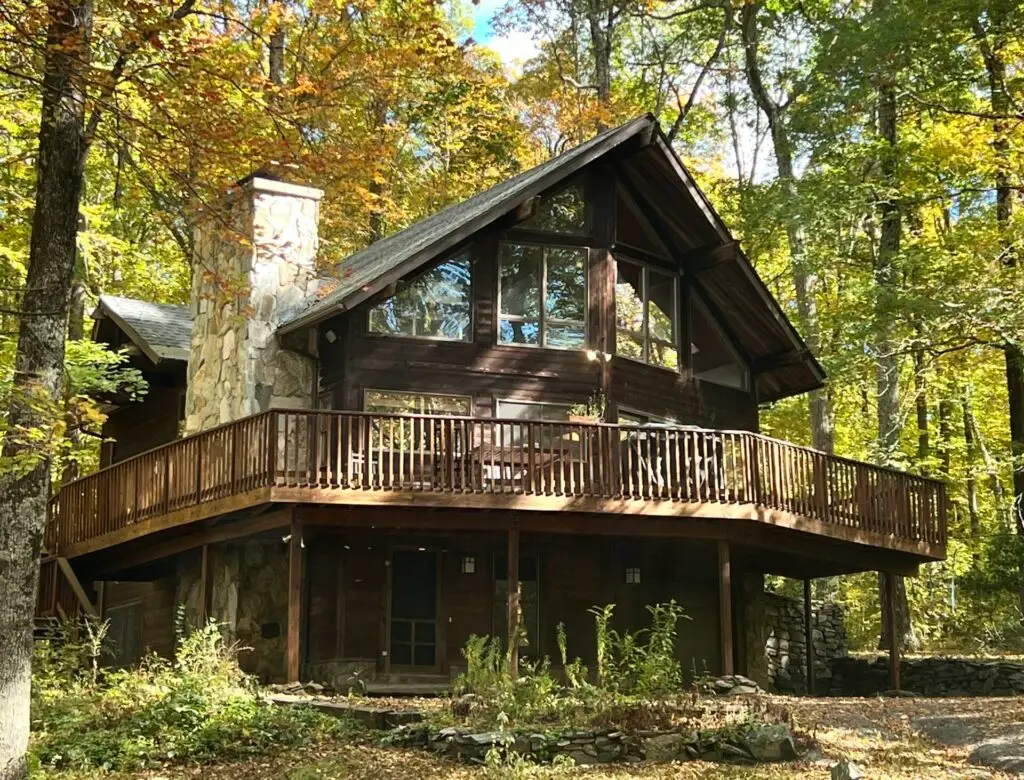
Your home’s exterior paint color is its first impression, reflecting style, personality, and curb appeal. Staying updated on trends can inspire, but choosing a color that truly suits your home’s architecture, surroundings, and your personal taste is paramount for a lasting impression.
Rise of nature-inspired greens & earthy neutrals
- Description: Moving beyond basic beige and gray, homeowners are embracing richer, more complex neutrals with organic undertones. Think muted sages, olive greens, warm taupes, and deeper greiges.
- Appeal: These colors create a harmonious connection with nature, offering a calming and sophisticated aesthetic. They blend seamlessly with landscaping and evoke a sense of tranquility.
- Trends: Gaining significant traction as homeowners seek natural, sustainable, and timeless looks. They pair beautifully with natural wood accents and stone.
Modern blues & muted warm whites
- Description:
- Modern Blues: Not bright primary blues, but softer, muted blues with gray or green undertones (e.g., dusty blues, deep teals, slate blues).
- Muted Warm Whites: Moving away from stark, sterile whites, homeowners are opting for whites with subtle warm undertones (creamy, off-white, very light beige-whites).
- Appeal:
- Blues: Offer a sophisticated, serene, and inviting feel. They can evoke coastal charm or a cozy, traditional vibe depending on the shade.
- Warm Whites: Provide a crisp, clean look without feeling cold or sterile. They offer a versatile backdrop that works well with almost any trim and accent color.
- Trends: Both are classic choices seeing a resurgence. Muted blues offer a fresh alternative to grays, while warm whites provide timeless elegance and brightness.
Bold accents vs timeless tones
- Bold Accents: While main house colors tend towards serenity, homeowners are increasingly using bold, vibrant colors for accents. Think a bright red front door, a striking deep blue trim, or a vivid green porch ceiling. These add personality and pop.
- Timeless Tones: Despite trends, classic combinations endure. Whites, grays, and natural wood tones remain popular for their versatility and broad appeal, ensuring a home looks good for decades.
Color+material combos (siding, trim, stone)
The magic happens when paint colors are chosen in harmony with existing materials.
- Siding: The main color, often a neutral or a muted shade.
- Trim: Typically a contrasting color (often white or a darker shade) to highlight architectural details.
- Front Door: A chance to introduce a bold accent color that welcomes guests.
- Shutters: Can match the trim or the front door for continuity.
- Stone/Brick: The undertones in existing stone or brick should guide your paint color choices to ensure a cohesive look.
Factors to consider: climate & home style
- Climate:
- Warm Climates: Lighter colors reflect heat, keeping homes cooler.
- Cool Climates: Darker colors absorb heat, which can be beneficial, but also consider fading.
- Sun Exposure: Intense sun can fade vibrant colors faster.
- Home Style:
- Traditional: Earthy tones, muted blues, classic grays, and whites often suit traditional architecture.
- Modern/Contemporary: Grays, crisp whites, and bold contrasting accents are popular.
- Coastal: Light blues, greens, and warm whites.
- Farmhouse: White, off-white, gray with black accents.
- Neighborhood Aesthetics: While personal preference is key, consider the overall palette of your neighborhood for visual harmony.
Visualizing & sampling tools
- Online Visualizers: Many paint brands offer online tools where you can upload a photo of your home and virtually “paint” it with different colors.
- Physical Samples: Always purchase sample pots and paint large swatches (at least 2×2 feet) on different sections of your home’s exterior. Observe them at different times of day and in various weather conditions. Colors can look drastically different on a large scale outdoors.
Maintenance & repainting timelines
- Maintenance: Regular cleaning (power washing) helps maintain the paint’s appearance and longevity.
- Repainting Timelines: Exterior paint typically lasts 5-10 years, depending on the paint quality, surface preparation, climate, and level of sun exposure. Signs it’s time to repaint include fading, chalking, cracking, or peeling.
Ready for an exterior transformation? Anderson’s Painting specializes in bringing homes to life with expert color selection and flawless exterior painting. Get your free estimate and boost your home’s curb appeal!