
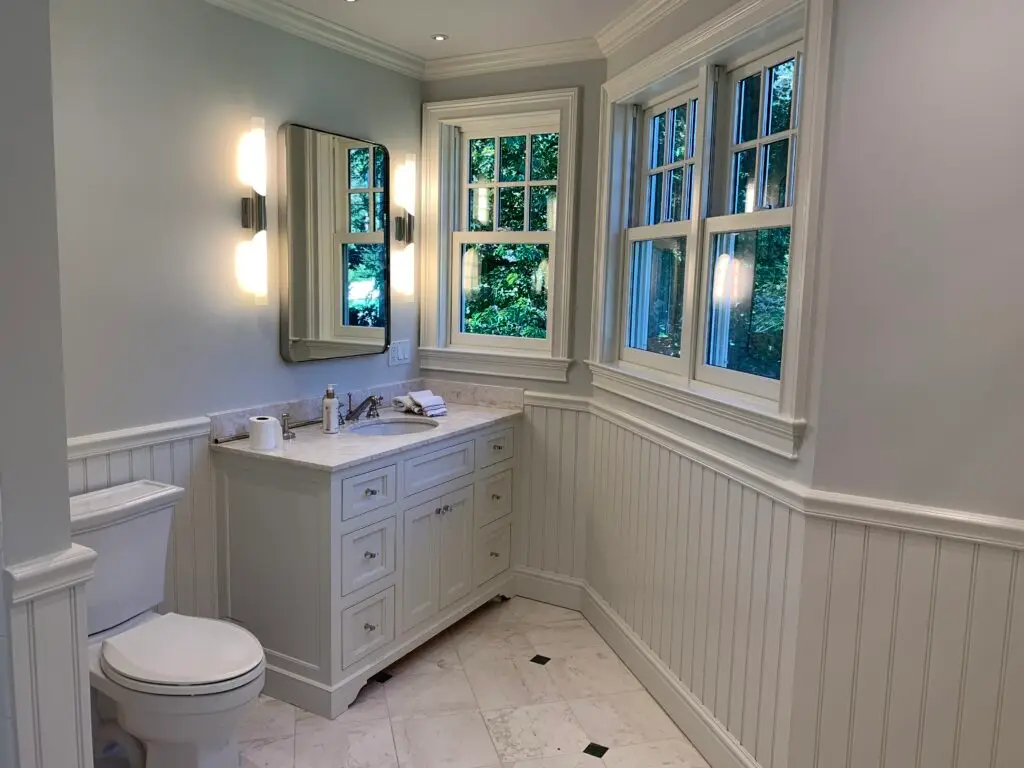
Outdated, stained, or simply unappealing bathroom tiles can make an entire space feel drab and old. While a full tile replacement is a costly and labor-intensive renovation, many homeowners wonder if there’s a more budget-friendly alternative: painting. The answer is yes, you can paint bathroom tile, but it’s not a universal solution for every situation or tile type. Understanding the nuances, benefits, and limitations of this approach is crucial for achieving a durable and attractive finish. Anderson’s Painting breaks down the pros and cons of painting bathroom tile, guides you through the process, and offers tips for a successful transformation.
When painting tile makes sense
Painting bathroom tile is a viable option under specific circumstances, offering a significant aesthetic upgrade without the mess and expense of demolition.
- Budget-Friendly Renovation: This is the primary reason. Painting is significantly cheaper than ripping out and replacing old tiles, making it ideal for homeowners on a tight budget.
- Aesthetic Refresh: If your tiles are structurally sound but visually outdated (e.g., color, pattern), painting can provide a modern, fresh look. It’s great for changing colors from a dated hue to a neutral or trendy shade.
- Temporary Solution: For rental properties or homes where a full renovation isn’t planned for several years, painting offers an excellent temporary facelift.
- Minor Imperfections: Painting can effectively cover minor discoloration, light staining, or small cosmetic flaws on the tile surface.
- DIY-Friendly (Compared to Tiling): While it requires careful preparation, painting tile is generally more accessible for the average DIYer than learning to properly install new tile.
- Speed: The process of painting is much quicker than a full tile tear-out and re-installation.
Types of tile that can be painted
Not all tiles are created equal when it comes to paint adhesion and durability. Understanding your tile type is crucial.
- Ceramic and Porcelain Tiles (Glazed and Unglazed): These are the most common types of bathroom tile and generally the best candidates for painting.
- Glazed Ceramic/Porcelain: These have a hard, non-porous surface. They require thorough cleaning and a specialized bonding primer to ensure paint adhesion.
- Unglazed Ceramic/Porcelain: More porous, which can help with paint adhesion, but still benefit greatly from proper cleaning and priming.
- Fiberglass or Cultured Marble (Shower Surrounds): These are also generally good candidates for specialized “tub and tile” or epoxy paints. They often require specific preparation and dedicated products designed for these materials.
- Vinyl Tiles: While technically not ceramic, vinyl tiles in bathrooms can be painted. They require similar rigorous cleaning, sanding, and a strong bonding primer.
- Natural Stone Tiles (Marble, Travertine, Slate, Granite): Generally NOT recommended for painting. Natural stone is very porous and reacts differently to paints and primers. Painting will hide their natural beauty, and the paint is much more likely to peel or chip over time due to the stone’s inherent properties and potential efflorescence. If you have natural stone, consider professional cleaning, sealing, or replacement.
- Glass Tiles: Not recommended for painting. Paint will not adhere well to glass, and it will chip and scratch very easily, ruining the aesthetic.
Key Rule: The smoother and less porous the tile, the more critical a high-quality bonding primer becomes.
Preparation: Cleaning, sanding & priming
Preparation is the absolute cornerstone of a successful and durable painted tile job. Skipping or rushing these steps will lead to paint failure.
- Thorough Cleaning:
- Remove all soap scum, mildew, dirt, and oily residues. Use a heavy-duty degreaser cleaner (like TSP or a strong bathroom cleaner).
- Scrub all tile and grout lines vigorously. Use a stiff brush for grout.
- Rinse thoroughly with clean water multiple times until no cleaning solution residue remains. Allow to dry completely.
- Crucial: Any residue will prevent paint adhesion.
- Repair and Caulk:
- Inspect grout lines. If grout is cracked, crumbling, or missing, repair it first. Fresh grout needs to cure completely (days) before painting.
- Remove old, deteriorated caulk around tubs, sinks, and showers. Apply new, paintable silicone caulk where needed. Allow caulk to cure fully according to manufacturer instructions (often 24-72 hours) before painting.
- Light Sanding (Scuff Sanding):
- Purpose: To create a “tooth” for the primer to grip onto, especially on glossy or very smooth tiles.
- Method: Use 220-grit or 180-grit sandpaper (or a sanding block) to lightly scuff up the entire tiled surface, including grout lines. You’re not trying to remove the glaze, just dull it slightly.
- Clean Dust: After sanding, thoroughly wipe down all surfaces with a tack cloth or a damp microfiber cloth to remove all sanding dust. Dust is the enemy of adhesion!
- Taping and Masking:
- Use high-quality painter’s tape to meticulously mask off all areas you don’t want to paint: fixtures, faucets, toilet, edges of walls, tub/shower surrounds. Take your time here for crisp lines.
- Priming (The Most Critical Step):
- Why Prime? Tile is a non-porous, smooth surface, making adhesion difficult. A specialized primer is essential to create a bond between the tile and the paint.
- Type of Primer: Use a high-adhesion bonding primer specifically designed for slick or non-porous surfaces. (e.g., Zinsser B-I-N Shellac-Based Primer or Zinsser Bulls Eye 1-2-3, Kilz Adhesion, or an epoxy primer if using epoxy paint).
- Application: Apply a thin, even coat of primer to all tile and grout surfaces. Use a brush for grout lines and corners, and a small foam roller for flat tile areas. Avoid thick coats, which can sag or peel.
- Drying: Allow the primer to dry completely according to manufacturer instructions (often 1-2 hours for recoating, but longer for full hardness). Good ventilation is key.
Choosing the right paint for bathroom tiles
The type of paint you use is as important as the preparation. It needs to be extremely durable and moisture-resistant.
- Epoxy Paint (Two-Part Epoxy):
- Pros: This is often considered the gold standard for painted bathroom tiles, especially for shower surrounds or high-moisture areas. It’s incredibly durable, chemical-resistant, and creates a hard, non-porous, tile-like finish.
- Cons: More expensive, has strong fumes (requires excellent ventilation and a respirator), and has a limited “pot life” once mixed (you must use it quickly).
- Acrylic Latex Enamel (Premium):
- Pros: High-quality 100% acrylic latex paints, particularly those labeled “cabinet and trim enamel” or “urethane modified,” can work well. They offer good durability, flexibility, and are easier to work with and clean up than epoxy. Look for formulations with mildewcides.
- Cons: Not as hard or chemical-resistant as true epoxy paints, so might not be ideal for constantly wet areas like shower floors.
- Specialty “Tub and Tile” Kits:
- Pros: These are often two-part epoxy or urethane-based kits specifically formulated for bathroom surfaces. They come with detailed instructions and are designed for DIY application on tubs and surrounding tiles.
- Cons: Can be messy, have strong fumes, and require precise mixing and application.
- Finish (Sheen):
- Semi-Gloss or High-Gloss: These high-sheen finishes are essential for painted bathroom tiles. They create a smooth, hard surface that is highly water-resistant, durable, and easy to clean. Flat or eggshell paints are too porous and will quickly fail in a bathroom environment.
Sealing & maintenance tips
After painting, proper sealing and ongoing maintenance will maximize the life of your painted tiles.
- Sealing (Optional but Recommended for Added Protection):
- While epoxy paints are highly durable on their own, for added protection or if using a non-epoxy acrylic enamel, consider applying a clear, water-based, non-yellowing polyurethane or polyacrylic topcoat. Ensure it’s compatible with your paint.
- Apply thin, even coats according to the product’s instructions.
- Curing Time:
- This is extremely important. Even if the paint feels dry to the touch, it needs time to fully harden or “cure.” This can take anywhere from 3-7 days for good hardness, and up to 3-4 weeks for full hardness (especially for epoxy paints).
- Do NOT expose the painted tiles to water or heavy use during the curing period. Avoid showers, excessive moisture, or placing heavy objects on the painted surface. Premature exposure will lead to failure.
- Gentle Cleaning:
- Once fully cured, clean painted tiles with mild, non-abrasive cleaners (e.g., dish soap and water, or a pH-neutral bathroom cleaner).
- Avoid harsh chemical cleaners, abrasive scrubbers, or stiff brushes, as these can scratch or dull the painted surface.
- Ventilation:
- Always use your bathroom fan during and after showers/baths to reduce humidity. Good ventilation is key to preventing mildew growth on any surface, including painted tiles.
- Immediate Spill/Splash Cleanup:
- Wipe up water splashes and spills promptly to prevent water from sitting on the painted surface.
- Re-Caulking:
- Monitor caulk lines. If they show signs of wear, re-caulk promptly to prevent water infiltration behind the painted surface.
Painting bathroom tile can be a transformative project, offering a refreshed look at a fraction of the cost of replacement. With diligent preparation, the right paint, and careful application, you can achieve a durable and beautiful finish that will extend the life of your bathroom tiles.
Check it out: What type of paint is best for bathrooms?
Tired of your outdated bathroom tiles but not ready for a full renovation? Anderson’s Painting offers expert tile painting services, transforming your bathroom with a fresh, modern look and a durable finish. Our meticulous preparation and use of specialized paints ensure your painted tiles look fantastic and stand up to daily bathroom life. Let us help you revitalize your space efficiently and affordably. Contact us today for a free consultation and estimate!