
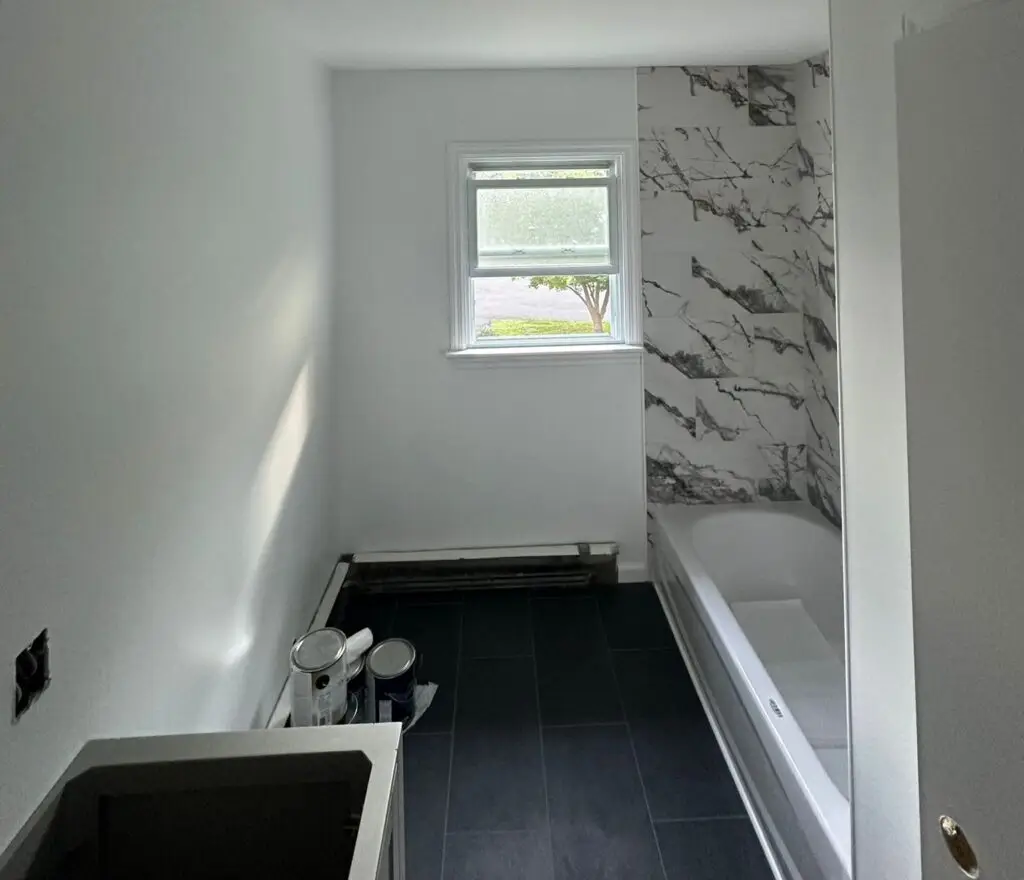
Choosing the right paint color for your bathroom can dramatically transform the space, making it feel larger, more serene, or simply more updated. However, selecting a hue for a room characterized by humidity, often limited natural light, and porcelain fixtures requires careful consideration. The perfect color can create a spa-like retreat or a vibrant powder room. Anderson’s Painting offers a guide to popular bathroom paint color ideas, exploring current trends, solutions for small spaces, the impact of warm versus cool tones, and how to effectively pair colors with common white fixtures to achieve a fresh and inviting look.
Popular bathroom color trends in 2025
Design trends in 2025 lean towards creating spaces that feel both aesthetically pleasing and conducive to well-being. For bathrooms, this translates into colors that promote tranquility, cleanliness, and a connection to nature.
- Soft Earth Tones: Muted greens (sage, moss, eucalyptus), sandy beiges, and warm greys are gaining traction. These colors evoke a sense of calm and natural beauty, ideal for creating a spa-like atmosphere. They pair beautifully with natural wood accents and plants.
- Deep Blues and Greens: Rich, saturated blues (navy, deep teal) and emerald greens are popular for adding depth and sophistication. Often used in larger bathrooms or as an accent wall, these colors can create a luxurious, jewel-box effect. They work well with brass or gold fixtures for a touch of elegance.
- Calming Neutrals with Depth: Beyond basic white, homeowners are opting for more nuanced neutrals. Think off-whites with subtle warm undertones, mushroom greys, and greiges that provide a sophisticated backdrop without feeling stark. These serve as a canvas for textures and materials.
- Blush and Terracotta Accents: While not for the entire bathroom, subtle blush pinks or muted terracotta shades are emerging as accent colors, particularly in powder rooms or paired with natural wood and white fixtures, offering a warm and inviting pop.
- Charcoal and Black: For a dramatic and modern statement, deep charcoals and even true blacks are being used, often balanced with white tiles, light wood, and bright lighting to prevent the space from feeling too dark. This creates a sophisticated, bold look.
Small bathroom color ideas
Small bathrooms, including powder rooms, benefit from strategic color choices that enhance the perception of space and light.
- Light and Bright Neutrals:
- Crisp White: Always a classic. Reflects maximum light, making the room feel larger and cleaner. Can be paired with colorful accessories to prevent it from feeling sterile.
- Off-Whites and Creams: Softer than pure white, these add warmth without sacrificing the feeling of spaciousness. Look for undertones that complement your fixtures (e.g., a cream with a touch of yellow for warmth).
- Pale Grays or Greiges: A light gray or greige (a blend of gray and beige) can offer more character than white while still keeping the space bright and airy. They are versatile and sophisticated.
- Pastels:
- Soft Blues and Greens: Pale aqua, seafoam green, or sky blue can evoke a sense of calm and openness, reminiscent of water and sky. These cool tones visually recede, making the room feel larger.
- Muted Lavenders or Pinks: Can add a touch of whimsy or softness without overwhelming a small space.
- Strategically Dark: While counter-intuitive, a very dark, rich color (like deep navy or charcoal) on all walls in a small powder room can create a “jewel box” effect, making the space feel intentionally cozy and dramatic, rather than small and cramped. This works best with excellent lighting and light fixtures/accents.
- Ceiling and Walls Same Color (Flat Finish): Painting the ceiling the same color as the walls (in a flat finish) can blur the lines between surfaces, making a small bathroom feel taller and more expansive.
Warm vs. Cool tones: What works best?
The choice between warm and cool tones significantly impacts the mood and perceived size of a bathroom.
- Cool Tones (Blues, Greens, Purples, Cool Grays):
- Effect: Tend to make a room feel more serene, calm, and spacious. They visually recede, giving the illusion of more space.
- Best For: Creating a spa-like, tranquil retreat. Excellent for smaller bathrooms to make them feel larger. Ideal for bathrooms with plenty of natural light. They pair well with modern, minimalist, and coastal aesthetics.
- Warm Tones (Reds, Oranges, Yellows, Browns, Warm Grays/Beiges):
- Effect: Tend to make a room feel more cozy, inviting, and intimate. They visually advance, which can make a large room feel more comfortable, but can make a small room feel smaller if not used carefully.
- Best For: Creating a comfortable, embracing atmosphere. Good for bathrooms that may feel cold or sterile. Work well with traditional, rustic, or eclectic decor. They can brighten a bathroom that lacks natural light (e.g., a soft yellow).
- Consider Lighting: The type of lighting (natural and artificial) in your bathroom is crucial.
- North-facing rooms/Low Light: Tend to have cooler, blue-ish light. Warm paint colors can balance this.
- South-facing rooms/Bright Light: Tend to have warmer, yellow-ish light. Cool paint colors can balance this without making the room too warm.
- LED Lighting: Choose bulbs with a color temperature that complements your paint choice (e.g., “warm white” for warm colors, “cool white” for cool colors).
Paint colors that pair well with white fixtures
Most bathroom fixtures (toilets, sinks, tubs) are white, making it easy to pair them with a wide range of paint colors. White acts as a clean, crisp neutral, providing a perfect contrast.
- Any Shade of Gray: From pale silver to deep charcoal, gray provides a sophisticated backdrop that highlights white fixtures beautifully. A warm gray (greige) or a cool gray can be chosen based on the desired mood.
- Blues (Especially Navy or Soft Blues): White fixtures pop against shades of blue, creating a classic, clean, and often coastal-inspired look. The contrast is sharp and appealing.
- Greens (Sage, Forest, Mint): Green hues, particularly muted or earthy tones, create a natural, tranquil spa-like feel when paired with white. The freshness of green complements the pristine white.
- Warm Neutrals (Beiges, Creams, Taupes): For a soft, understated elegance, warm neutrals create a seamless, cohesive look with white fixtures, making the bathroom feel inviting and clean.
- Black or Deep Charcoal: For a high-contrast, modern, and dramatic bathroom, white fixtures stand out strikingly against a dark backdrop, creating a bold, contemporary statement.
- Pastels: Soft pinks, lavenders, or yellows can create a charming and delicate contrast with white fixtures, adding personality without overwhelming the space.
Finishing touches: Accent walls, trim, and ceilings
Beyond the main wall color, how you treat other surfaces can significantly impact the final look.
- Accent Walls:
- Purpose: To add depth, visual interest, or define a specific zone (e.g., behind the vanity or toilet).
- Color Choice: Choose a darker, bolder version of your main wall color, a complementary contrasting color, or a color that echoes a detail in your tiles or decor.
- Beyond Paint: Consider wallpaper, patterned tile, or shiplap for an accent wall if you want more texture.
- Trim (Baseboards, Door Frames, Window Sills):
- Traditional: Most commonly painted crisp white (often in semi-gloss for durability and cleanability). This creates a clean frame for your wall color and visually expands the space.
- Matching Walls: Painting trim the same color as the walls (especially in a slightly higher sheen) creates a seamless, modern, and often larger-feeling space.
- Contrasting: For a bolder look, you could paint trim a contrasting dark color, especially if your walls are light.
- Ceilings:
- Classic White: Painting the ceiling a crisp white (using a flat bathroom-specific ceiling paint with mildewcides) is the most common approach. It reflects light, makes the room feel taller, and creates a clean break from the walls.
- Same as Walls (Flat): As mentioned for small bathrooms, painting the ceiling the same color as the walls (in a flat finish) can create a cohesive, enveloping feel, blurring the boundaries and making the room feel larger or more intimate.
- A Tint of the Wall Color: For a softer look than pure white, choose a lighter tint of your wall color for the ceiling. This adds subtle continuity.
Choosing the perfect paint colors for your bathroom involves balancing aesthetics with the practical demands of the space. By considering light, room size, and the need for durability, you can create a fresh, inviting, and long-lasting look.
Check it out: What type of paint is best for bathrooms?
Ready to give your bathroom a fresh, inspiring new look with the perfect paint colors? Anderson’s Painting specializes in expert interior painting, including bathrooms, ensuring a flawless finish with the ideal colors and durable, moisture-resistant paints. Let us help you transform your space into a beautiful and resilient oasis. Contact us today for a personalized color consultation and a free estimate!