
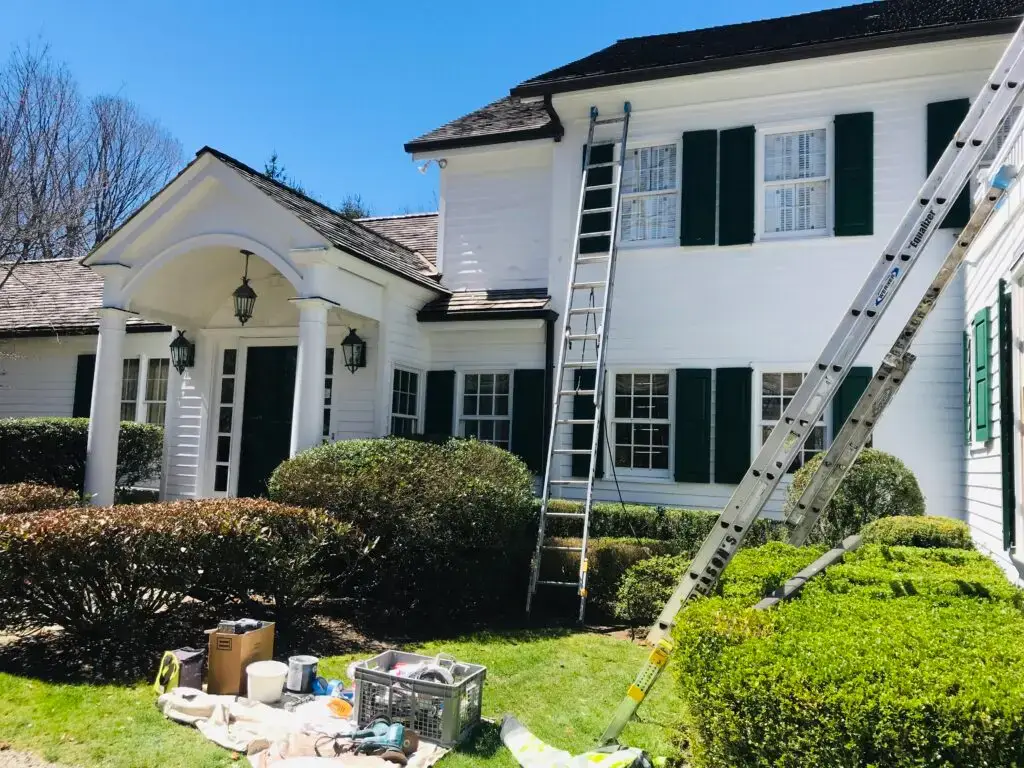
A beautiful exterior paint job does more than just enhance your home’s curb appeal; it also serves as a crucial protective barrier against the elements. However, over time, even the highest quality paints can succumb to various issues, leading to an unsightly appearance and potential damage to your home’s underlying structure. Understanding common exterior paint problems, their causes, and how to effectively address them is key to maintaining a durable and attractive finish.
Peeling and flaking paint
Peeling and flaking are among the most frustrating and common exterior paint problems, often indicating underlying issues.
- Causes:
- Moisture Intrusion: This is the leading cause. Water can get behind the paint film from leaky gutters, poor flashing, damaged siding, or excessive interior humidity attempting to escape. Trapped moisture pushes the paint off the surface.
- Poor Surface Preparation: Painting over a dirty, greasy, chalky, or improperly primed surface prevents proper adhesion. The new paint simply can’t bond to the substrate.
- Incompatible Paint Layers: Applying a rigid, oil-based paint over a flexible latex paint, or vice-versa, without proper priming, can lead to adhesion failure.
- Low-Quality Paint: Inferior paints may lack the necessary adhesion properties and flexibility to withstand environmental stress.
- Applying Paint to a Damp Surface: Painting when the surface is still wet, or if rain occurs shortly after painting, can trap moisture.
- How to Fix:
- Identify and Address Moisture Source: Before any repair, find and fix the source of moisture. This might involve repairing leaks, improving ventilation, or ensuring gutters are clean and directing water away.
- Scrape and Sand: Remove all loose, peeling, and flaking paint using a scraper or wire brush. Feather the edges of the intact paint with sandpaper to create a smooth transition.
- Clean the Surface: Thoroughly clean the entire area to remove all dust, chalk, mildew, and dirt. A pressure washer can be effective for this, but ensure the surface dries completely afterward.
- Prime: Apply a high-quality, oil-based or stain-blocking primer to all bare wood or patched areas. This seals the surface and provides a strong foundation for the new paint.
- Repaint: Apply two thin, even coats of a high-quality exterior paint, allowing adequate drying time between coats.
Fading due to sun exposure
While some fading is inevitable over time, excessive or uneven fading can make your home look old and worn.
- Causes:
- UV Radiation: The sun’s ultraviolet (UV) rays break down the pigments and binders in paint over time, causing colors to lose vibrancy. Darker colors tend to absorb more UV radiation and heat, making them more susceptible to fading.
- Low-Quality Paint: Cheaper paints often use less durable pigments or binders that break down faster under UV exposure.
- Improper Tinting: Over-tinting paint (adding too much colorant) can sometimes weaken its UV resistance.
- How to Fix:
- Clean the Surface: Wash the faded areas thoroughly to remove any chalking (a powdery residue) or dirt. This helps determine the true extent of the fading.
- Repaint: The only permanent solution for significant fading is repainting.
- Choose UV-Resistant Paint: When repainting, select a high-quality exterior paint specifically formulated with advanced UV resistance. Look for 100% acrylic latex paints, which are generally more fade-resistant than oil-based paints.
- Consider Lighter Colors: If severe fading is a recurring issue, consider opting for lighter color shades, which absorb less heat and UV radiation.
Check it out: Best Temperature for Exterior House Painting
Cracks, bubbles, and blistering
These issues are often symptoms of trapped moisture or improper application techniques.
- Cracks (Alligatoring, Hairline Cracks):
- Causes: Applying a hard, inflexible paint (like oil-based enamel) over a more flexible one, applying a second coat before the first is dry, or natural aging of oil-based paints. Hairline cracks can be from minor settling or insufficient primer.
- How to Fix: Scrape away loose, cracked paint. Sand the area smooth. For significant alligatoring, complete removal of the affected layers might be necessary. Apply a flexible, high-quality exterior primer and then repaint.
- Bubbles (Blistering):
- Causes: Painting on a damp surface, painting in direct sunlight (causing the surface to dry too quickly, trapping solvent vapors), or moisture migrating from behind the paint film.
- How to Fix:
- Identify Moisture Source: As with peeling, find and fix any moisture issues (leaks, humidity).
- Scrape and Sand: Scrape off the blisters down to the bare surface. Sand the edges smooth.
- Prime and Repaint: Apply a breathable primer and then repaint with a high-quality exterior paint, ensuring optimal painting conditions (temperature, humidity).
Mold, mildew, and algae stains
These unsightly growths are common in damp, shady areas and can quickly mar your home’s appearance.
- Causes:
- Moisture: High humidity, poor drainage, and lack of direct sunlight create ideal conditions for fungal growth.
- Organic Debris: Dirt, pollen, and other organic matter on the paint surface provide a food source for mold and mildew.
- Poor Ventilation: Areas with restricted airflow are more prone to growth.
- How to Fix:
- Clean Thoroughly: Mix a solution of 1 part bleach to 3 parts water (or use a commercial fungicidal cleaner). Apply it to the affected area, let it sit for 15-20 minutes, then scrub with a stiff brush and rinse thoroughly with a garden hose or power washer. Wear protective gear (gloves, eye protection).
- Address Moisture: Trim back overgrown vegetation to improve airflow and sunlight exposure. Repair any leaks or drainage issues.
- Use Mildew-Resistant Paint: When repainting, choose a high-quality exterior paint that contains mildewcides (mold-inhibiting additives) or apply a mold-killing primer first.
- Regular Cleaning: Periodically wash your home’s exterior to remove dirt and inhibit growth.
Improper prep as a root cause
It’s estimated that 80% of paint failures are due to inadequate surface preparation. Rushing or skipping prep steps can lead to almost every problem listed above.
- Failure to Clean: Painting over dirt, chalk, grease, or mildew prevents the paint from adhering properly, leading to peeling, flaking, and blistering.
- Not Scraping/Sanding Loose Paint: Old, loose paint will eventually come off, taking the new paint with it. New paint needs a sound, stable surface.
- Skipping Primer: Primer serves multiple critical functions: it seals porous surfaces (like bare wood or drywall), blocks stains from bleeding through, improves adhesion of the topcoat, and ensures uniform color and sheen. Skipping it, or using the wrong type, sets the stage for failure.
- Not Repairing Substrate Issues: Painting over rotten wood, cracks, or loose siding is a waste of time and money. These issues must be addressed before painting, as the paint cannot fix underlying structural problems.
- Painting in Unsuitable Conditions: Applying paint in extreme temperatures (too hot or too cold), high humidity, or when rain is imminent can compromise drying and adhesion.
Best products and techniques to prevent issues
Investing in quality products and adhering to proper techniques are your best defense against exterior paint problems.
Best products:
- High-Quality 100% Acrylic Latex Paint: These paints offer excellent flexibility (to resist cracking), breathability (to allow trapped moisture to escape), adhesion, and UV resistance (to prevent fading). Many are also formulated with mildewcides.
- Premium Primers: Choose primers specifically designed for exterior use and the substrate you’re painting (e.g., wood, masonry, previously painted surfaces). Stain-blocking and mold-killing primers are excellent investments.
- Elastomeric Paints: For stucco or masonry that experiences movement or has hairline cracks, elastomeric paints offer superior flexibility and waterproofing.
- Mildewcide Additives: While many good paints include them, you can sometimes add extra mildewcide to paint for highly shaded or damp areas.
Best techniques:
- Thorough Surface Preparation: This is non-negotiable.
- Clean: Power wash or scrub thoroughly to remove all dirt, mildew, and chalk.
- Scrape and Sand: Remove all loose paint and feather edges smooth.
- Repair: Fix any damaged siding, rotten wood, or cracks.
- Prime: Apply the appropriate primer to all bare or repaired surfaces.
- Allow Proper Drying: Ensure the surface is completely dry before priming and between paint coats.
- Optimal Weather Conditions: Paint when temperatures are moderate (typically 50-85°F), humidity is low, and no rain is expected for at least 24-48 hours. Avoid direct, scorching sunlight.
- Two Thin Coats: Always apply two thin, even coats of paint rather than one thick coat. Thin coats dry and cure more effectively, providing better durability and a smoother finish.
- Proper Application: Use high-quality brushes, rollers, or sprayers suited for exterior work. Apply paint systematically, avoiding drips and runs.
- Regular Maintenance: Periodically wash your home’s exterior (annually or biannually) to remove dirt and prevent mold/mildew buildup. This extends the life of your paint job.
Check it out: 7 exterior painting hacks to help you paint like a pro
By understanding these common problems and embracing meticulous preparation and quality products, you can ensure your home’s exterior paint job remains beautiful and protective for years to come.