
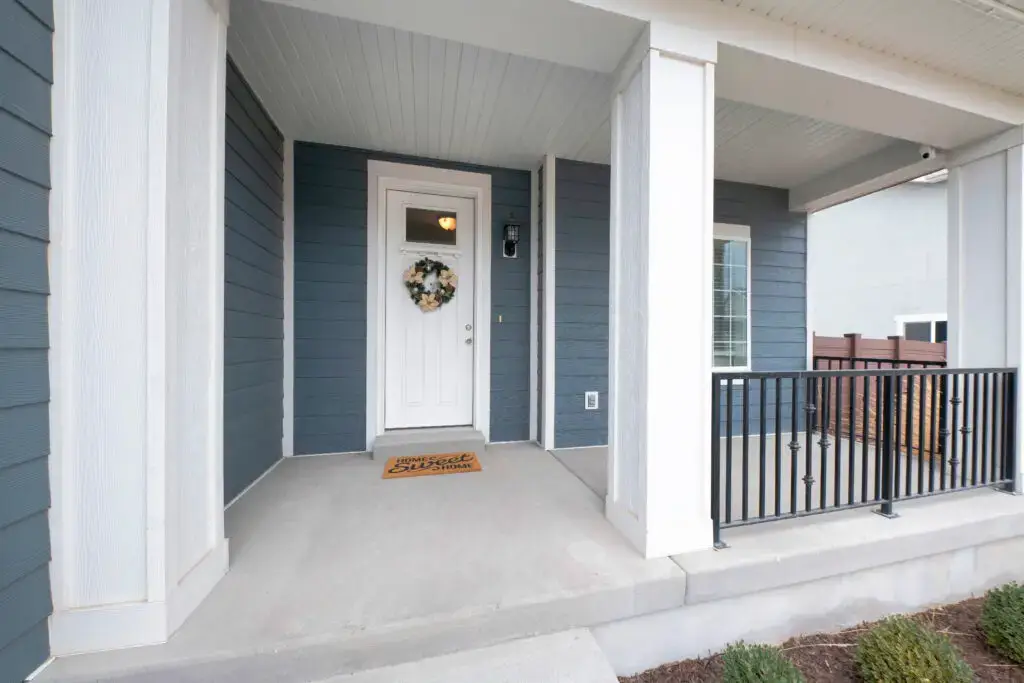
A concrete porch, while inherently durable, can often look dull, stained, or simply uninviting. Painting your concrete porch is an excellent way to refresh its appearance, add curb appeal, and provide an extra layer of protection against the elements. With the right preparation and materials, you can achieve a durable, stylish, and even slip-resistant finish that transforms your entryway. Learning how to paint a concrete porch effectively ensures a long-lasting and attractive result.
Benefits of painting vs. Staining concrete
When it comes to enhancing your concrete porch, painting and staining are the two primary options, each with distinct advantages.
Painting concrete:
- Pros: Offers a vast array of opaque colors, allowing for a complete change of aesthetic. Provides a thicker, more uniform finish that can hide minor imperfections and stains. Creates a protective barrier against water, UV rays, and abrasion. Easier to achieve a consistent color across the entire surface.
- Cons: Can be prone to chipping, cracking, or peeling if proper preparation isn’t followed or if moisture becomes trapped underneath. Can look less natural than stain.
- Best For: Achieving a bold, uniform color, covering existing stains, or when you want maximum protection and a solid, painted look.
Check it out: How to paint a concrete porch? Durable & slip-resistant results
Staining concrete:
- Pros: Penetrates the concrete rather than coating it, creating translucent, variegated color effects that look natural and won’t chip, crack, or peel. Highlights the natural variations and texture of the concrete. Low maintenance for reapplication (often just requires cleaning and re-coating).
- Cons: Limited color palette (earth tones, grays). Does not hide imperfections or existing stains in the concrete. Requires a sealer for protection. Color can be unpredictable as it reacts with the concrete’s chemical composition.
- Best For: Enhancing the concrete’s natural appearance, creating an organic or mottled effect, or for a lower-maintenance finish where existing imperfections are acceptable.
Recommendation: If you’re looking for a dramatic color change, want to hide flaws, or desire maximum protection, painting is likely your best choice. If you prefer a subtle, natural, and low-maintenance aesthetic that highlights the concrete’s character, consider staining.
Cleaning and etching the surface
Proper surface preparation is absolutely critical for paint adhesion and longevity on concrete. Skipping these steps will almost guarantee peeling and bubbling.
- Clear the Area: Remove all furniture, planters, mats, and anything else from the porch.
- Thorough Cleaning:
- Sweep away all loose dirt, leaves, and debris.
- For general dirt and grime, use a stiff-bristled brush or a power washer (on a low setting and from a safe distance) with a mixture of mild detergent (like dish soap) and warm water. Scrub any stubborn spots.
- For mildew or algae, use a commercial concrete cleaner designed to kill mildew, or a diluted bleach solution (1 part bleach to 10 parts water). Apply, let sit for 10-15 minutes, then scrub.
- Rinse the entire porch thoroughly with a garden hose until all soap and cleaning solution residue is gone.
- Remove Oil and Grease Stains: These can prevent paint adhesion.
- For fresh oil, sprinkle cat litter or sawdust to absorb it, then sweep up.
- For set-in stains, use a degreaser specifically designed for concrete. Apply, scrub with a stiff brush, and rinse thoroughly. Repeat if necessary.
- Etching the Concrete: This step opens up the pores of the concrete, creating a rougher profile that allows the paint to bond securely.
- Method: Use a commercial concrete etcher (typically a diluted phosphoric or muriatic acid solution – always follow manufacturer instructions and wear proper safety gear: gloves, eye protection, and a respirator).
- Application: Apply the etching solution evenly over the damp concrete using a plastic watering can or sprayer. It will bubble and fizz.
- Scrub: Lightly scrub the surface with a stiff-bristled brush to ensure even etching.
- Rinse Thoroughly: Rinse the porch extensively with a garden hose until all traces of the etcher are gone. Neutralize the acid if the product requires it (often with baking soda and water) before a final rinse.
- Allow to Dry Completely: This is crucial. Concrete can hold moisture for a long time. Allow the porch to dry for at least 24-48 hours, or longer in humid conditions. Ensure there’s no visible moisture before painting. A simple test: tape a 1 ft×1 ft piece of plastic sheeting tightly to the concrete. After 24 hours, if there’s condensation under the plastic, the concrete is still too wet.
Best paints and sealers for outdoor concrete
Choosing the right products is essential for durability and performance in outdoor conditions.
- Paints:
- Acrylic Latex Concrete Paint: This is the most popular and recommended choice for DIY projects. It’s durable, flexible (resists cracking with concrete expansion/contraction), breathable (allows some moisture vapor to escape), easy to clean up, and comes in a wide range of colors. Look for formulations specifically designed for patios, porches, or garage floors.
- Epoxy Concrete Paint: Offers superior durability, chemical resistance, and a hard, glossy finish. While more challenging to apply than acrylic latex, it’s excellent for high-traffic areas or areas prone to spills (e.g., if you plan to BBQ on the porch frequently). Some are two-part systems, requiring mixing.
- Slip-Resistant Additives: Regardless of paint type, consider adding a non-slip additive (often fine silica sand or similar material) to the final coat of paint or sealer. This significantly improves traction, especially when the porch is wet.
- Primers:
- While some concrete paints are self-priming, using a dedicated acrylic concrete primer is highly recommended, especially on new, very porous, or heavily etched concrete. It ensures maximum adhesion and a more uniform topcoat.
- Sealers:
- After painting, applying a clear concrete sealer is crucial for protection. It adds an extra layer of defense against abrasion, UV damage, moisture, and staining. Choose an acrylic, solvent-based, or epoxy sealer compatible with your paint. Many come with non-slip additives or you can add your own.
Check it out: Porch and floor paint: Best options for long-lasting outdoor surfaces
Step-by-step painting process
Once your porch is clean, etched, and completely dry, you’re ready to paint!
- Mask and Protect: Use high-quality painter’s tape to mask off any adjacent walls, steps, columns, or house siding that you don’t want to get paint on. Lay down drop cloths or plastic sheeting on surrounding areas (e.g., grass, flowerbeds) to protect against drips.
- Apply Primer (If Using):
- If your paint isn’t self-priming or you want extra adhesion, apply a thin, even coat of concrete primer.
- Use a high-quality roller with a medium nap (3/8 inch to 1/2 inch) for large areas, and a brush for edges and corners.
- Allow the primer to dry completely according to manufacturer instructions (usually 2-4 hours).
- Apply First Coat of Paint:
- Stir your concrete paint thoroughly.
- Using a brush, “cut in” around the edges, corners, and areas next to the tape.
- For the main surface, use your roller. Work in small, manageable sections (e.g., 4 ft×4 ft), applying paint evenly.
- Maintain a “wet edge” to avoid lap marks: roll into the previously painted, still-wet area to ensure a seamless finish.
- Work your way out from the house, so you don’t paint yourself into a corner.
- Allow to Dry: Let the first coat dry completely according to the paint manufacturer’s instructions. This usually takes 4-8 hours for concrete paint.
- Apply Second Coat of Paint: Apply a second thin, even coat of paint following the same method as the first. Two thin coats are always better than one thick coat for durability and finish.
- Apply Sealer (Optional but Recommended): Once the final paint coat is completely dry (check manufacturer’s full cure time, often 24-48 hours), apply a clear concrete sealer.
- Use a clean roller or sprayer for even application.
- If using a non-slip additive, mix it into the final coat of paint or the sealer according to instructions.
- Apply in thin, even coats.
- Curing Time: Allow the painted and sealed porch to cure fully before placing heavy furniture or resuming regular foot traffic. This can take several days to a week, depending on humidity and temperature. Follow product recommendations strictly.
How to prevent peeling and fading
Long-lasting results come from meticulous preparation and ongoing care.
- Thorough Preparation is Key: As emphasized, cleaning and etching are non-negotiable. Any dirt, grease, or lack of surface profile will cause the paint to fail prematurely.
- Ensure Concrete is Dry: Moisture trapped under the paint is the primary cause of bubbling and peeling. Use the plastic sheet test to confirm dryness.
- Use High-Quality Products: Don’t skimp on paint, primer, and sealer specifically designed for exterior concrete. Cheap products often lack the necessary flexibility and UV resistance.
- Apply Thin, Even Coats: Thick coats don’t cure properly and are more prone to peeling. Multiple thin coats are always superior.
- Adequate Curing Time: Resist the urge to use the porch too soon. Allow the paint and sealer to fully cure to achieve maximum hardness and durability.
- Clean Regularly: Sweep or hose down your painted porch regularly to remove dirt, grit, and debris that can act as abrasives.
- Avoid Harsh Chemicals: Do not use harsh degreasers, acids (unless specifically for spot cleaning/stain removal before painting), or abrasive cleaners on your painted surface. Stick to mild soap and water.
- Protect from Heavy Impact: While durable, concrete paint can still chip from heavy dropped objects.
- Reapply Sealer/Topcoat When Needed: Over time, even the best paint will show wear. If you notice signs of dullness, wear, or reduced water beading, it’s time to clean the surface and reapply a fresh coat of sealer or paint.
By following these guidelines, your painted concrete porch will not only look stunning but will also stand up to the elements and daily wear for years to come, welcoming you and your guests with renewed curb appeal.
Ready to give your concrete porch a professional, durable, and beautiful transformation? Anderson’s Painting specializes in expert concrete painting and sealing for outdoor spaces, ensuring a long-lasting, slip-resistant finish that enhances your home’s curb appeal. Let our experienced team revitalize your porch with a flawless application. Contact us today for a free consultation!