
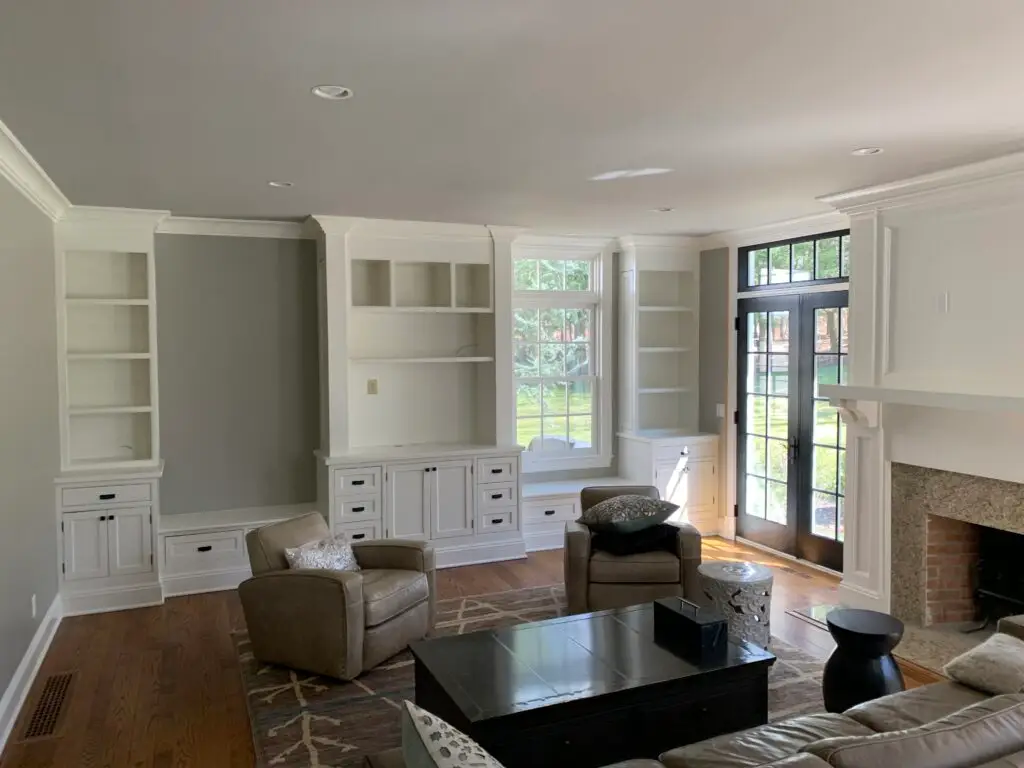
A freshly painted ceiling can dramatically brighten a room, making it feel larger, cleaner, and more inviting. Conversely, a dingy or streaky ceiling can detract from even the most beautifully painted walls. While painting overhead can seem daunting, with the right tools, techniques, and preparation, you can achieve a flawless, streak-free finish without excessive neck strain. Learning how to paint a ceiling effectively is a skill that will elevate the look of your entire home.
What type of paint and roller should you use?
Choosing the right materials is the first step to a successful ceiling paint job.
Best paint type:
- Flat Latex Ceiling Paint: This is overwhelmingly the recommended choice for ceilings.
- Pros: Its non-reflective, matte finish is excellent at hiding minor imperfections, roller marks, and light stains. It also diffuses light beautifully, reducing glare. Latex formulas are easy to clean up with water.
- Cons: Less durable and washable than higher sheens, but durability is less critical for a ceiling than for walls.
- High-Quality Interior Latex Paint (Flat or Eggshell): If a dedicated ceiling paint isn’t available, a good quality interior latex paint in a flat or very low-sheen eggshell can be an alternative. Avoid anything with a noticeable sheen like satin or semi-gloss, as these will highlight every imperfection and roller mark on a ceiling.
- Stain-Blocking Primer: Crucial for ceilings with water stains, smoke damage, or grease. Use an oil-based (like shellac-based for tough stains) or a high-quality water-based stain-blocking primer over affected areas before painting. This prevents stains from bleeding through the new paint.
Best roller type:
- Heavy-Duty Roller Frame: A sturdy frame is important for stability and comfort, especially with an extension pole.
- High-Nap Roller Cover (3/8″ to 1 1/4″ nap): This is essential for getting paint into any ceiling texture.
- 3/8″ to 1/2″ nap: Good for smooth ceilings.
- 3/4″ to 1 1/4″ nap: Recommended for slightly textured or popcorn ceilings. A longer nap holds more paint, reducing trips to the paint tray and helping to cover uneven surfaces more effectively.
- Extension Pole: This is a non-negotiable tool. An extension pole allows you to reach the ceiling comfortably while standing on the floor or a low step stool, preventing neck and back strain, and ensuring more consistent pressure for a streak-free finish.
How to prep a ceiling for painting
Proper preparation is the most critical step for a professional-looking and long-lasting ceiling paint job. Skipping these steps can lead to peeling, cracking, or stains bleeding through.
- Clear and Cover the Room:
- Remove all furniture, decor, and wall hangings from the room. If large items cannot be removed, move them to the center and cover them completely with plastic sheeting.
- Lay down drop cloths or plastic sheeting to cover the entire floor. Tape the plastic sheeting up the walls by at least a foot using painter’s tape to protect them from drips.
- Cover light fixtures, smoke detectors, and ceiling vents thoroughly with plastic and tape, or remove them if comfortable (remember to turn off power at the breaker first).
- Clean the Ceiling:
- Dust Removal: Use a vacuum with a soft brush attachment or a clean, dry microfiber duster on an extension pole to gently remove all loose dust, cobwebs, and light grime.
- Washing (if necessary): For kitchens or areas with heavy grease/smoke, lightly wash the ceiling with a sponge dampened with a mild detergent solution. Avoid over-wetting. Rinse with a clean, damp sponge. Allow the ceiling to dry completely (several hours).
- Important Note for Popcorn Ceilings: If you have an unpainted popcorn ceiling, do not wet it, as the texture will disintegrate. For these, use only dry dusting methods. (See section on painting textured ceilings for more detail). If your home was built before the early 1980s, consider testing for asbestos before disturbing the ceiling.
- Repair Cracks and Holes:
- Use a putty knife to apply spackle or lightweight joint compound to hairline cracks, nail pops, or small holes. For wider or structural cracks, consult a professional.
- Allow the repair to dry fully according to product instructions.
- Lightly sand the dried repair smooth with fine-grit sandpaper (180-220 grit) or a pole sander.
- Wipe away all sanding dust with a damp cloth or vacuum.
- Prime Stains (Crucial):
- For any water stains, smoke damage, or grease stains, you must apply a dedicated stain-blocking primer. Do not skip this step, or the stain will likely bleed through your new paint.
- Apply the primer specifically to the stained areas, extending slightly beyond the stain. Allow it to dry completely. For very stubborn stains, a second coat of primer may be necessary.
Step-by-step painting process
Once your ceiling is prepped, follow these steps for a smooth, streak-free finish.
- Cut In Edges:
- Using an angled sash brush, carefully paint a strip (2-3 inches wide) around the perimeter of the ceiling where it meets the walls.
- Also, cut in around any light fixtures, ceiling fans, or vents. Take your time for crisp, clean lines.
- Load the Roller Properly:
- Pour paint into a roller tray. Load the roller cover by rolling it back and forth in the paint, then on the ribbed section of the tray to remove excess. The roller should be saturated but not dripping excessively.
- Paint in Sections (W or M Pattern):
- Mentally divide the ceiling into manageable sections (e.g., 4×4 feet or 5×5 feet).
- Start near a corner and roll an initial “W” or “M” shape within your first section.
- Without lifting the roller, fill in the “W” or “M” pattern with parallel strokes, overlapping each stroke slightly.
- Work your way across the section.
- Maintain a Wet Edge:
- As you finish one section and move to the next, always slightly overlap your new strokes into the wet paint of the previously painted section. This is the key to preventing visible roller marks and streaks. Work relatively quickly and continuously once you start rolling.
- Direction of Paint:
- For the final passes in each section and across the entire ceiling, roll in one consistent direction (e.g., parallel to the main light source or the longest wall). This helps ensure a uniform texture and minimizes shadows from roller marks.
- Apply Two Thin Coats:
- Resist the urge to apply one thick coat, as this can lead to drips, sags, and slower drying. Two thin, even coats provide better coverage, a smoother finish, and superior durability.
- Allow the first coat to dry completely according to paint manufacturer instructions (usually 2-4 hours) before applying the second coat. Applying a second coat too soon can reactivate the first coat, causing it to tear or clump.
- Remove Tape:
- Carefully pull off painter’s tape while the paint is still slightly wet for the cleanest lines. If you wait until it’s fully dry, the paint might crack and peel along with the tape. If it’s already dry, score the tape edge lightly with a utility knife before pulling to prevent paint tearing.
Tips for cutting in and avoiding lap marks
These techniques are crucial for professional results.
- Cutting In:
- Load Your Brush Properly: Dip only about 1-2 inches of the brush bristles into the paint. Tap off excess on the side of the can or tray.
- Control is Key: Hold the brush like a pencil for control. Use slow, steady strokes.
- Feather the Edge: As you finish a cut-in section, try to lightly feather the edge of the paint away from the wall so it blends seamlessly with the roller application.
- Avoiding Lap Marks (Roller Marks):
- Maintain a Wet Edge: This is the most important rule. Always roll into paint that is still wet. Don’t let sections dry before you overlap them.
- Don’t Over-Roll: Once paint is applied, avoid rolling over it repeatedly as it starts to dry. This creates friction and can leave marks or lift previous layers.
- Use Enough Paint: Don’t “stretch” your roller load. A starved roller will leave streaks.
- Consistent Pressure: Apply light, consistent pressure. Let the roller’s nap do the work.
- Work Fast: Once you start rolling a ceiling, try to work continuously until the coat is finished on that entire ceiling to maintain wet edges.
How to paint textured ceilings
Painting textured ceilings (like popcorn) requires extra care to avoid damaging the texture or creating a mess.
- Asbestos Check (Crucial for Older Homes): If your popcorn ceiling was installed before the early 1980s, it may contain asbestos. Do not disturb, scrape, or sand it until it has been professionally tested. If asbestos is present, encapsulating it with paint is often the safest option.
- Dry Cleaning Only: For unpainted textured ceilings, do not use water or wet cloths for cleaning, as the texture can soften and disintegrate. Use only dry dusting methods (vacuum with soft brush, soft duster).
- Prime Liberally (But Not Soaking): A high-quality, stain-blocking primer is even more critical for textured ceilings. It helps to “harden” the texture, making it less likely to flake when painted. Apply with a thick-nap roller or a sprayer. Don’t over-saturate.
- Use a Long-Nap Roller: A 3/4″ to 1 1/4″ nap roller cover is essential to get paint into all the crevices of the texture without excessive pressure.
- Gentle Pressure: Use very light, gentle pressure when rolling. Too much pressure will crush the texture and cause flakes to fall, creating a mess and an uneven look. Let the long nap of the roller do the work.
- Load the Roller Heavily: You need enough paint to penetrate the texture, so load the roller generously, but always offload excess in the tray to prevent drips.
- Consider a Paint Sprayer: For textured ceilings, an airless paint sprayer often provides the best and most uniform finish with the least amount of texture disturbance. However, it requires significant masking of the entire room to prevent overspray and has a learning curve.
- Expect More Paint: Textured ceilings absorb more paint than smooth ceilings, so plan to purchase extra.
By following these comprehensive guidelines, you can confidently paint your ceiling, achieving a bright, streak-free finish that enhances your entire room, all while keeping neck pain to a minimum!
Is the thought of painting your ceiling a high-reaching challenge? Anderson’s Painting specializes in expert interior painting, including meticulous ceiling preparation, stain covering, and flawless application for a smooth, refreshed finish. Let our experienced team handle the overhead work, so you can enjoy a brighter, more beautiful room. Contact us today for a free consultation!