
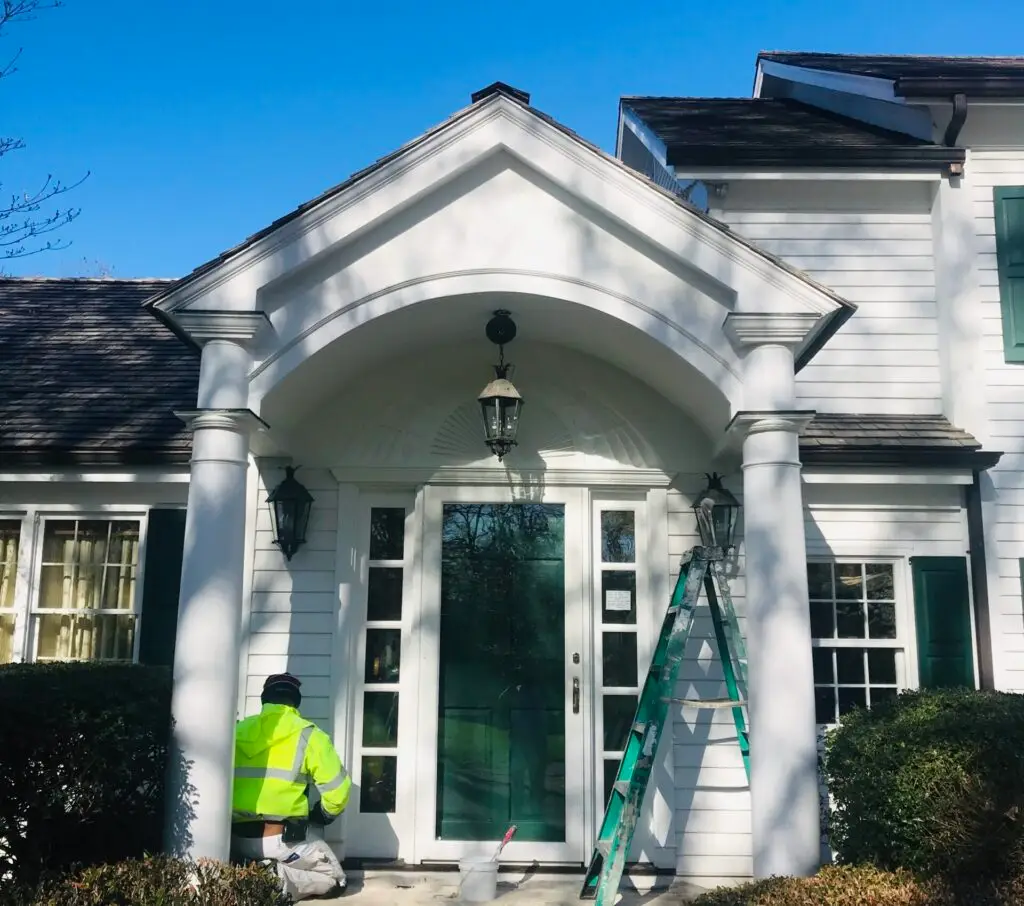
Outdoor surfaces like porches endure constant exposure to harsh weather, UV radiation, and heavy foot traffic. Unlike walls or interior floors, they require a specialized coating to maintain their appearance and integrity. This is where porch and floor paint comes in – a dedicated solution designed to deliver exceptional durability and long-lasting beauty for your outdoor spaces.
What is porch and floor paint?
Porch and floor paint is a highly durable, specialized coating formulated to withstand the unique stresses placed on horizontal outdoor surfaces. Unlike standard exterior house paint, it’s engineered with specific properties to resist:
- Abrasion: Constant foot traffic, moving furniture, and even pet activity.
- Moisture: Rain, snow, humidity, and standing water.
- UV Radiation: Intense sunlight that can cause fading, cracking, and chalking.
- Temperature Extremes: Expansion and contraction due to hot summers and freezing winters.
- Mildew and Algae Growth: Which thrive in damp outdoor environments.
These paints often contain tougher resins and additives that create a harder, more flexible film compared to typical exterior wall paints. They are designed for both wood and concrete surfaces, providing excellent adhesion and a protective barrier.
Benefits over regular exterior paint
While regular exterior paint is formulated to protect surfaces from the elements, it’s not designed for horizontal applications that experience continuous wear. Porch and floor paint offers distinct advantages:
- Superior Durability and Abrasion Resistance: This is the primary benefit. Regular exterior paint would quickly scuff, scratch, and wear through under foot traffic, leading to frequent touch-ups and premature failure. Porch and floor paints are built to endure constant friction.
- Enhanced Adhesion to Walking Surfaces: These paints are formulated to grip well to dense, often slick surfaces like concrete and wood, resisting peeling and blistering caused by moisture or temperature changes.
- Better Resistance to Hot Tire Pickup (for concrete garages/driveways): While porch paint is primarily for porches, some “floor paints” (especially 1-part epoxies) within this category offer resistance to tires lifting the paint, which is a common issue for non-specialized paints.
- Improved Water and Moisture Resistance: While exterior paints resist water, porch and floor paints create a more robust barrier against standing water and repeated wetting/drying cycles, crucial for horizontal surfaces where water can pool.
- UV and Fade Resistance: They contain stronger UV inhibitors to prevent color fading and breakdown from intense sunlight.
- Mildew and Algae Inhibitors: Formulated with fungicides and mildewcides to keep the surface cleaner and prevent unsightly growth, which is a common problem on damp outdoor floors.
- Slip Resistance (Optional): Many porch and floor paints can have non-slip additives mixed in, or some even come with built-in texture, providing an added layer of safety, especially when wet. Regular exterior paint would be dangerously slippery.
Best surfaces for porch and floor paint
Porch and floor paints are versatile and primarily designed for horizontal walking surfaces that experience moderate to heavy traffic.
- Wood Porches and Decks: Ideal for painted wood porches, steps, and even covered decks. They provide a protective layer that helps prevent splintering, rot, and moisture damage.
- Concrete Patios and Porches: Perfect for transforming drab concrete into a vibrant, protected surface. They adhere well to concrete and resist chipping and fading.
- Basement and Utility Room Floors: Can be used on interior concrete floors that experience foot traffic, offering a cleaner, brighter, and more durable surface.
- Walkways and Steps: Suitable for outdoor concrete or wood steps and pathways that receive regular foot traffic.
- Not Recommended For:
- Garage Floors (for some types): While some “floor paints” are indeed designed for garages (often 1-part epoxies or 2-part epoxies), not all standard “porch and floor” paints are durable enough to withstand hot tire pickup or heavy vehicle traffic. Always check the label.
- Driveways: Similar to garages, driveways experience extreme vehicular weight and tire friction, often requiring heavy-duty asphalt or specialized concrete coatings.
- Vertical Surfaces (Walls, Railings): While they can adhere, their primary formulation is for horizontal wear. Regular exterior house paint is usually better suited for vertical siding and railings due to its different flexibility and aesthetic properties.
Recommended paint types and finishes
When choosing porch and floor paint, you’ll typically look for acrylic-based formulations in specific sheens.
- Paint Types:
- 100% Acrylic Latex: This is the most common and highly recommended type for both wood and concrete porches. It offers excellent flexibility (to expand/contract with the substrate), superior adhesion, good breathability, and easy water cleanup. It’s also highly resistant to UV rays, mildew, and fading.
- 1-Part Epoxy (Acrylic-Epoxy): These paints offer enhanced durability and chemical resistance compared to standard acrylics, making them a good choice for concrete porches that might see more spills or slightly heavier use. They offer a harder finish.
- Oil-Based (Alkyd): Less common now due to slower drying times, higher VOCs, and less flexibility. While they offer a very hard finish, they can be more prone to cracking on wood over time due to less flexibility. Generally not preferred for wood porch floors due to flexibility concerns.
- Finishes (Sheens):
- Satin or Low-Luster: This is the most popular and generally recommended finish for porch and floor paint. It offers a subtle sheen that is durable, easy to clean, and helps to somewhat disguise minor imperfections on the surface.
- Semi-Gloss: Provides a more noticeable sheen, which is very durable and highly washable. However, its higher reflectivity can highlight every imperfection or unevenness on the floor. More commonly used on railings or trim.
- Flat/Matte: Generally not recommended for porch floors due to lower durability, difficulty in cleaning, and a tendency to show scuff marks more easily.
Application tips for wood and concrete
Proper application techniques, paired with meticulous preparation, are key to a long-lasting painted porch.
General tips for both wood and concrete:
- Thorough Cleaning is Paramount: Remove all dirt, grease, loose paint, mildew, and efflorescence. Power washing (carefully, on a low setting for wood) is often recommended, followed by a thorough rinse. Allow the surface to dry completely (24-48 hours, or more in humid conditions) before proceeding.
- Repair All Damage: Fill cracks and holes with appropriate exterior wood filler (for wood) or concrete patch/caulk (for concrete). Sand repairs smooth.
- Prime Bare Surfaces: Always apply a high-quality exterior primer designed for your specific surface (wood primer for wood, concrete primer for concrete) to any bare areas. This ensures optimal adhesion and uniform absorption of the topcoat. If staining, an etcher for concrete is crucial.
- Ideal Weather Conditions: Apply paint when temperatures are between 50∘F and 85∘F (10∘C to 30∘C) and humidity is low. Avoid direct hot sun, rain, or dew for at least 24-48 hours after application.
- Use an Extension Pole: This saves your back and knees, allowing for more consistent and even application with a roller.
- Apply Two Thin Coats: Always apply two thin, even coats rather than one thick one. Thin coats dry and cure better, providing superior durability and coverage. Follow manufacturer’s recoat times precisely.
- Maintain a Wet Edge: When rolling, work in sections and overlap your strokes into the previously applied, still-wet paint to avoid lap marks and streaks.
- Add Non-Slip Additive: For safety, especially on wet surfaces, stir a non-slip additive into your final coat of paint or a clear topcoat.
Specific tips for wood:
- Sand for Adhesion: Lightly sand existing paint (if in good condition) or bare wood to create a “tooth” for the new paint.
- Watch for Tannin Bleed: For new cedar or redwood, use a tannin-blocking primer to prevent reddish-brown stains from bleeding through light-colored paint.
- Paint with the Grain: When brushing, follow the direction of the wood grain for a more natural look and better penetration.
Specific tips for concrete:
- Acid Etch (for bare concrete): For new or bare concrete, an acid etch (or a specialized concrete cleaner/degreaser that also etches) is often required to open the pores of the concrete for proper paint adhesion. Follow product instructions carefully, including neutralization and thorough rinsing.
- Moisture Test: Before painting, perform a simple moisture test (tape a 1 ft×1 ft piece of plastic to the concrete for 24 hours; if condensation forms, it’s still too wet).
- Repair Cracks: Use flexible concrete crack fillers for larger cracks to prevent future paint failure.
- Roll Evenly: Concrete can be very porous, so ensure even distribution of paint without leaving puddles or overly thick spots.
By investing in high-quality porch and floor paint and committing to meticulous preparation and application, your outdoor surfaces will not only look fantastic but also provide long-lasting protection against the wear and tear of daily life and the challenges of outdoor environments.
Ready to give your porch, patio, or outdoor floor the durable, beautiful finish it deserves? Anderson’s Painting specializes in expert exterior painting, including the application of high-performance porch and floor coatings for both wood and concrete surfaces. Our experienced team ensures meticulous preparation and a flawless finish that stands the test of time and traffic. Contact us today for a free consultation!