
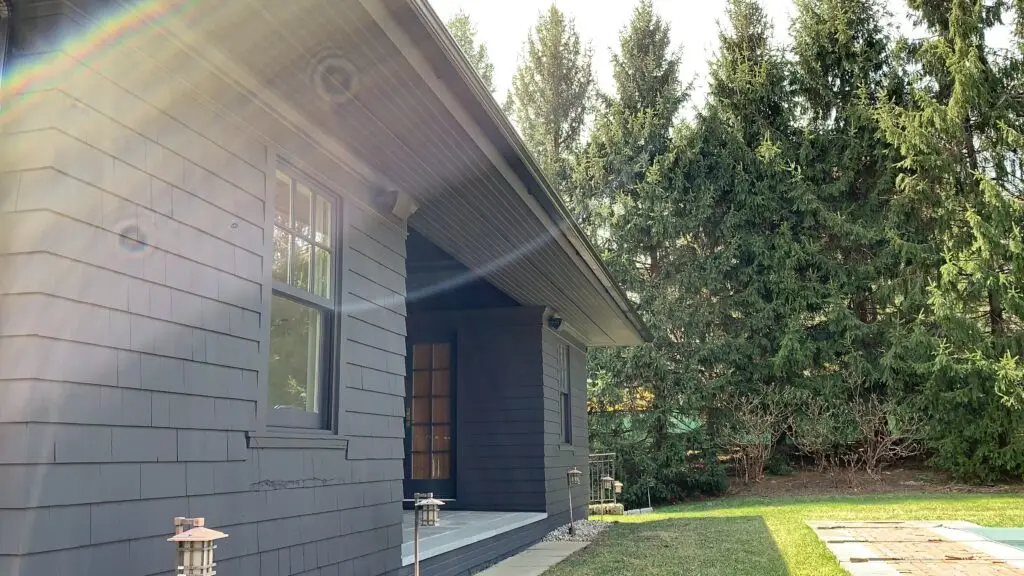
Fiber cement siding colors range from classic neutrals like white and gray to bold modern tones such as charcoal, navy, and deep green. The best fiber cement siding colors combine durability, UV resistance, and curb appeal, making them ideal for long-lasting exterior finishes.
What Are Fiber Cement Siding Colors?
Fiber cement is a composite material made of cement, sand, and cellulose fibers. Because of its dense, masonry-like composition, it interacts with color differently than wood or vinyl, offering a unique combination of aesthetic depth and industrial-grade toughness.
How fiber cement siding holds color longer
Unlike wood, which expands and contracts significantly (causing paint to crack), fiber cement is incredibly stable. It doesn’t “move” as much with temperature changes, which means the paint film stays intact longer. Furthermore, it doesn’t trap moisture, preventing the bubbling and peeling common in older homes.
Why fiber cement siding is ideal for exterior paint
The surface of fiber cement is slightly porous, which allows high-quality acrylic paints to “bite” into the material. This creates a superior bond that can withstand harsh US climates, from the freezing winters of the Northeast to the scorching sun of the South.
Pre-finished vs. painted fiber cement siding
Homeowners typically choose between factory-applied finishes (like James Hardie’s ColorPlus® Technology) or having the siding primed and then custom-painted on-site. While factory finishes offer a controlled application, custom painting allows for an infinite color palette and a thicker protective coating.
Most Popular Fiber Cement Siding Colors
Classic white fiber cement siding
White remains the king of “Modern Farmhouse” design. It creates a crisp, clean look that highlights the architectural shadows of the siding laps. It’s also the best at reflecting heat, keeping the home cooler in summer.
Modern gray siding tones
From light “Gull Gray” to mid-tone “Pewter,” gray is the ultimate versatile neutral. It hides dust well and provides a sophisticated backdrop for colorful landscaping or bright front doors.
Charcoal and dark exterior siding
Darker shades like “Iron Gray” or “Night Gray” are trending heavily in modern architecture. These colors provide a high-end, dramatic look that makes the home stand out while maintaining a sense of permanence and strength.
Warm beige and neutral siding colors
For a more traditional or “Craftsman” look, earthy tones like tan, khaki, and soft beige are staples. These colors harmonize beautifully with stone accents and natural wood elements.
Coastal blue and navy siding
Navy blue (often called “Deep Ocean”) has become a modern classic. It offers a bold personality without being “loud,” and it looks stunning when paired with bright white trim and black hardware.
Modern Fiber Cement Siding Color Trends
Two-tone exterior siding designs
Modern designs often use two different colors to break up large wall sections. This might involve a dark charcoal on the lower level and a lighter gray on gables or bump-outs to add visual depth.
Dark siding with light trim
This high-contrast look (e.g., Navy siding with Arctic White trim) is the hallmark of modern suburban design. It draws the eye to the architectural lines of the windows and roofline.
Natural and earthy exterior palettes
Moving away from “cool” tones, many homeowners are opting for “warm” modernism—think deep forest greens, terracotta, or muted ochre, which help the home blend into its natural environment.
Pre-Finished vs. Custom Painted Fiber Cement Siding
Benefits of factory-finished siding
Factory-applied color is baked on in a controlled environment, ensuring a very uniform finish. It often comes with a limited warranty against fading and peeling, which is a major selling point for new constructions.
Advantages of custom exterior painting
Custom painting by a professional team like Anderson’s Painting offers two major wins:
- Uniqueness: You aren’t limited to the 15–20 colors offered by the manufacturer.
- Seamlessness: On-site painting covers the “cut ends” and nail heads that factory-finished siding often leaves exposed or requires “touch-up kits” to hide.
Which option lasts longer?
Both are durable, but a high-quality, two-coat custom paint job using premium 100% acrylic paint can often exceed the thickness of factory finishes, providing a more robust shield against the elements.
How to Choose the Best Fiber Cement Siding Color
Consider roof color
Your roof is a “fixed” element. If you have a warm brown roof, cool blue siding might clash. Stick to warm siding for brown/tan roofs and cool siding for black/gray roofs.
Match trim and accent colors
Your trim, gutters, and downspouts should be part of the color conversation. Most homeowners choose a trim color that is at least two shades lighter or darker than the siding for proper definition.
Think about neighborhood style
While you want your home to stand out, you don’t want it to look out of place. Look at the “vibe” of your street—is it coastal, wooded, or urban?
Consider sunlight and fading
A color that looks soft in the showroom might look bright neon in the direct afternoon sun. Always test a large sample on different sides of the house before committing.
How Long Do Fiber Cement Siding Colors Last?
UV resistance and fade protection
Premium exterior paints today are formulated with advanced resins that resist UV degradation. On fiber cement, you can expect a high-quality color to stay vibrant for 12 to 15 years.
Maintenance tips for painted siding
An annual “soft wash” (low pressure) will remove salt and dirt that can dull the finish over time. Avoid high-pressure power washing, which can force water behind the boards.
When repainting may be needed
If you notice the color starting to “chalk” (a powdery residue on your hand when you touch the siding) or if you see significant fading on the south-facing side of the house, it’s time for a refresh.
Best Trim Colors for Fiber Cement Siding
White trim combinations
The “Classic White” trim works with almost every color, providing a crisp frame for the home. It is the most popular choice in the US for its timeless appeal.
Black trim for modern homes
For a “Contemporary” or “Industrial” look, black trim paired with dark gray or even white siding is incredibly popular. It gives the home a sleek, high-definition appearance.
Natural wood accents
Using cedar or wood-look fiber cement for the porch ceiling or front door area adds warmth to a cool-toned exterior, balancing the “hard” look of the cement siding.
FAQ: Fiber Cement Siding Colors
What is the most popular fiber cement siding color?
Currently, White, Light Gray, and Navy Blue are the top three choices for modern homes across the United States.
Does fiber cement siding fade over time?
All exterior surfaces experience some UV fading, but fiber cement holds its color significantly better than wood or vinyl due to its chemical stability.
Can fiber cement siding be repainted?
Absolutely. In fact, it is one of the best surfaces for repainting. It takes paint exceptionally well and doesn’t require the frequent scraping associated with wood.
Are dark siding colors bad for fiber cement?
No. Unlike vinyl, fiber cement does not warp when it gets hot. You can safely paint fiber cement any color, including deep blacks and dark charcoals.
How long does painted fiber cement siding last?
With professional application and premium materials, a paint job on fiber cement typically lasts 15 years before needing a significant topcoat refresh.
Ready to transform your home’s exterior with a stunning new color for your fiber cement siding? Anderson’s Painting specializes in expert exterior painting, providing meticulous preparation and flawless application for fiber cement and other siding types. We help you choose the perfect colors that enhance your home’s curb appeal and ensure a beautiful, long-lasting finish. Contact us today for a free consultation!