
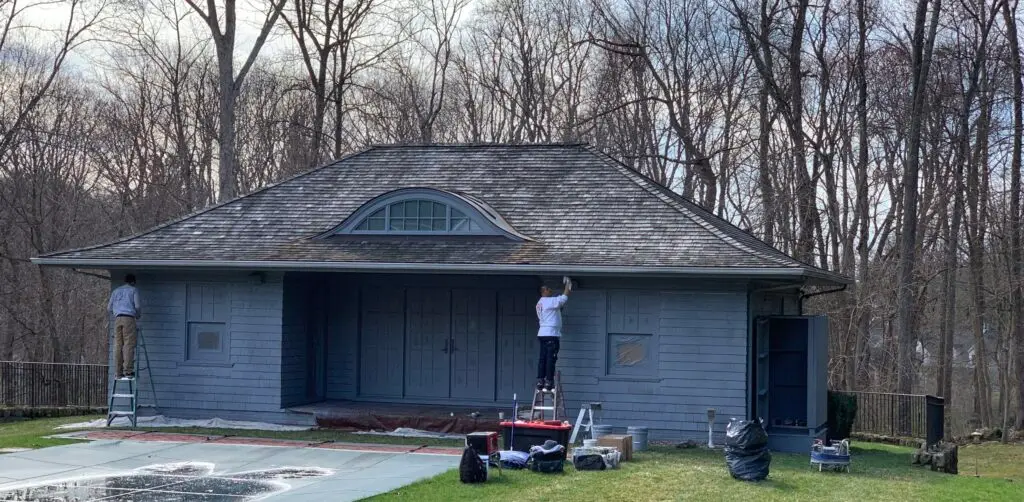
Rain gutters are an essential part of your home’s weatherproofing system, but they also contribute significantly to its curb appeal. Over time, they can become faded, stained, or simply outdated in color. Giving them a fresh coat of paint is a highly effective and affordable way to revitalize your home’s exterior. This guide provides a comprehensive, step-by-step process to ensure a professional, durable, and long-lasting finish on your rain gutters.
Can rain gutters be painted?
Yes, absolutely! Painting is a fantastic solution for sprucing up and protecting old rain gutters, provided they are in good structural condition. If your gutters are severely rusted, have large holes, or are failing to drain properly, painting them is not a substitute for replacement. However, if they are only suffering from cosmetic issues like fading or minor surface rust, a fresh coat of paint can extend their life and improve your home’s appearance. The key to a successful paint job is proper preparation and choosing the right materials.
Tools and materials you’ll need
Before you start, gather all the necessary supplies to make the job seamless.
- Safety Gear: Work gloves, safety glasses, and a face mask (for sanding or spraying paint).
- Cleaning: A pressure washer or a garden hose with a nozzle, a stiff-bristled brush, and a mild detergent or a cleaner specifically designed for gutters.
- Surface Preparation: Medium- to fine-grit sandpaper (-220 grit).
- Primer: An exterior-grade, rust-inhibiting primer for metal (for aluminum/steel gutters) or a plastic-bonding primer (for vinyl gutters).
- Paint: A high-quality exterior acrylic latex paint. For the most durable finish on metal, consider an oil-based exterior enamel.
- Applicators: Paintbrushes (for hard-to-reach areas and detail work), a small roller (for large, flat surfaces), or a paint sprayer (for a smooth, professional finish).
- Protection: Drop cloths, plastic sheeting, and painter’s tape to protect your siding, foundation, and landscaping from drips and overspray.
Preparation: Cleaning and priming the gutters
This is the most critical stage of the process. Skipping these steps will lead to a paint job that flakes and peels in a very short time.
- Thorough Cleaning: Start by giving the gutters a deep clean. Use a pressure washer or a hose and a brush with a mix of water and mild detergent. Scrub away all dirt, grime, mold, mildew, and any chalky residue from old paint.
- Rinse and Dry: Rinse the gutters thoroughly with clean water. It is essential to let them dry completely before moving on. Any moisture can cause the paint to fail prematurely.
- Sand for Adhesion: Once dry, lightly scuff the entire surface of the gutters with fine-grit sandpaper. This creates a “tooth” for the primer and paint to grip onto, ensuring a strong bond.
- Wipe Down: Use a clean, damp cloth to wipe away all sanding dust. Let the surface dry one last time.
- Apply Primer: Apply a thin, even coat of the appropriate primer. This step is non-negotiable, as it provides a uniform surface and prevents the topcoat from peeling.
Painting aluminum vs Vinyl vs Steel gutters
While the process is similar for all types, the type of material dictates your primer and paint choices.
- Aluminum: This is the most common gutter material. An exterior acrylic latex paint is a great choice as it’s flexible and durable. Pair it with a good metal primer.
- Vinyl (PVC): These gutters are plastic, so they require a special approach. Use a primer specifically designed to bond with plastic or vinyl, followed by a flexible exterior acrylic latex paint. This will prevent cracking as the plastic expands and contracts with temperature changes.
- Galvanized Steel: Steel gutters are less common but are very durable. However, they have a zinc coating that can cause paint to peel. You must use a specialized primer for galvanized metal.
Tips for long-lasting and weather-resistant results
- Choose the Right Day: Paint on a day that is dry, with mild temperatures and low humidity. Avoid direct sunlight, which can cause the paint to dry too quickly and blister.
- Two Thin Coats are Better: It is always better to apply two thin coats of paint rather than one thick one. This prevents drips, provides better coverage, and creates a more durable finish.
- Keep it Clean: Annually inspect your gutters for any chips or scratches. Quickly touching up these spots will prevent rust from starting and save you from a major repaint down the road.
Ready to give your home a fresh new look? Share your project with us and let’s discuss your perfect color!