
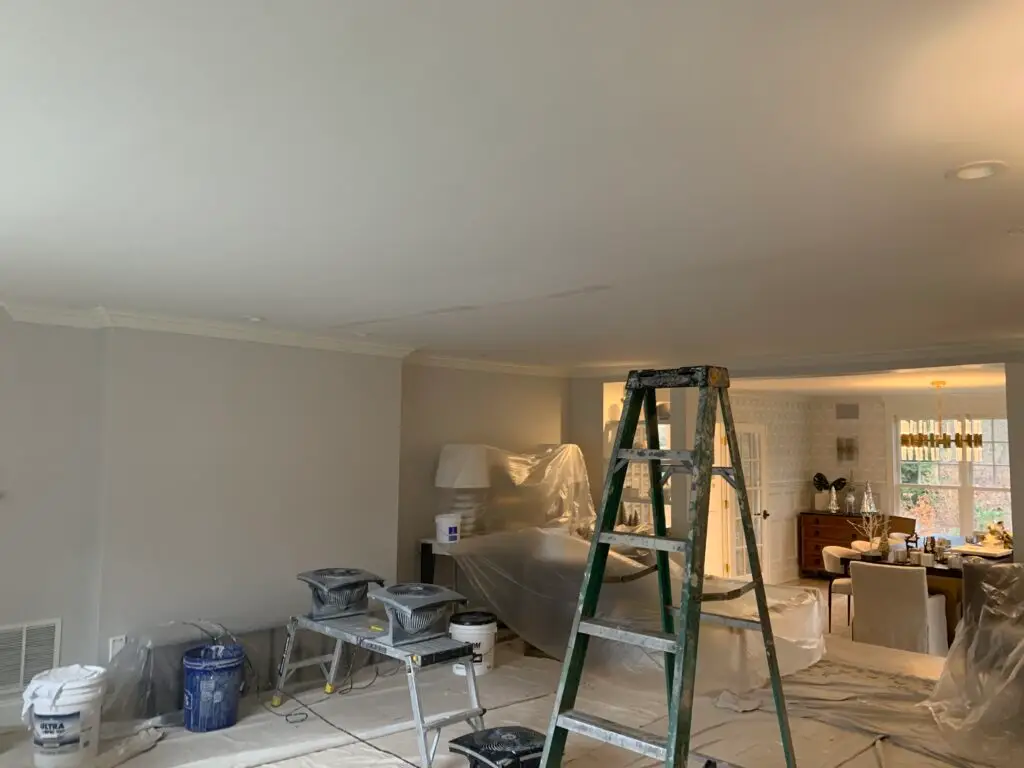
The basement is often the last frontier of home improvement, but choosing the right ceiling color can transform it from a gloomy storage space into a vibrant, functional extension of your home. Unlike main floors, basement ceilings present unique challenges, from low clearance to exposed pipes. The right paint choice isn’t just aesthetic; it’s a strategic design decision.
If you’re ready to dive into your basement transformation, here is your definitive guide to selecting the perfect ceiling color.
Why Ceiling Color Matters in a Basement
In any room, the ceiling is the fifth wall, but in a basement, its color choice is magnified. It directly impacts how you feel in the space.
Light Reflection & Space Perception
In areas with limited windows and natural light, like most basements, the ceiling color plays a critical role in light distribution. A light-colored ceiling will reflect available light (both natural and artificial), making the space feel brighter and more expansive. Conversely, a dark ceiling absorbs light, making the space feel more intimate and cozier, but also potentially smaller and lower.
Hiding Imperfections & Pipes
Basements often feature exposed ductwork, plumbing pipes, electrical conduit, and structural beams. Deciding to leave these elements exposed or cover them with drywall is a major choice. If you opt for an exposed ceiling, the right paint color is essential for making the chaotic network of utilities look intentional and clean, rather than messy and unfinished. A dark, matte color can effectively make these visual distractions recede into the background.
Popular Basement Ceiling Color Options
When tackling a basement ceiling, the choices generally fall into three popular categories, each offering a distinct feel.
White Ceilings – Bright & Open
The classic choice for a reason. White is a powerhouse for making spaces feel taller and airier.
- Pros: Maximizes light reflection; universally pairs well with any wall color or decor; essential if your basement ceiling height is below the standard 8 feet.
- Cons: Highlights every seam, imperfection, and patch in a drywall ceiling; if used on an exposed ceiling, it can make pipes and ducts stand out, potentially looking busier and more industrial than intended.
- Best For: Basements designed to be bright living spaces, playrooms, or if the ceiling is fully finished with drywall.
Black Ceilings – Modern & Dramatic
A sophisticated and increasingly popular choice, especially for exposed ceilings.
- Pros: Incredibly effective at hiding exposed pipes, wires, and imperfections, unifying the chaotic utility network into a sleek, dark canopy; creates a dramatic, modern, or theater-like atmosphere; makes wall colors pop.
- Cons: Absorbs light, requiring stronger artificial lighting; can make a very low-ceilinged basement feel even more “cave-like” if not paired with light walls.
- Best For: Home theaters, gyms, workshops, and basements where you want an urban-industrial or contemporary feel with exposed utilities.
Gray Ceilings – Balanced & Versatile
Gray offers a fantastic middle ground, combining the best aspects of white and black.
- Pros: Versatility to work with almost any design style; a lighter gray offers good light reflection, while a darker charcoal can effectively minimize the visibility of imperfections; adds a touch more sophistication than stark white.
- Cons: Selecting the wrong shade can clash with wall undertones (e.g., a cool gray with warm beige walls).
- Best For: Transitional spaces, home offices, or whenever you are looking for a softer look than black but need more camouflage than white.
Factors to Consider Before Choosing
The ceiling color is just one piece of the puzzle. You must consider the context of the room’s function and physical characteristics.
Ceiling Height
This is arguably the most crucial factor.
- Low Ceilings (Under 7.5 feet): Always favor lighter colors (white, light gray, pale pastels). Lighter colors visually push the ceiling away, creating the illusion of height.
- Standard or High Ceilings (8+ feet): You have more freedom. Dark colors can be used to visually lower a very high ceiling, making the basement feel cozier and less cavernous.
Amount of Natural Light
If your basement features large egress windows or a walk-out door providing significant natural light, you can comfortably lean towards darker shades without the room feeling overwhelmingly dim. If your basement relies almost entirely on artificial light, prioritize colors that maximize light reflection to save on lighting costs and reduce shadows.
Basement Use (Living, Storage, Office)
The room’s purpose should guide your aesthetic:
- Living/Play Areas: Brightness is key. Lean towards white or light gray.
- Home Theater/Bar: Darker colors (black, deep charcoal) enhance the movie-watching experience and create a sophisticated bar atmosphere.
- Laundry/Utility Room: Functionality and cleanliness rule. Often, a clean white or light neutral is best.
Design Tips & Trends
Take your basement ceiling from basic to brilliant with these professional design insights.
Matching Ceiling Color to Wall Tones
For a seamless and sophisticated look, consider painting the ceiling the exact same color as the walls but using a flatter sheen on the ceiling. This technique makes the room feel boundless and is highly effective in low-ceilinged rooms because it eliminates the visual break at the wall-ceiling line. The eye travels smoothly upward, making the room feel larger.
Exposed Ceilings Painted Dark
This is one of the most popular basement renovation trends. Instead of spending thousands on drywalling around pipes and ductwork, professionals spray the entire exposed ceiling—pipes, wires, beams, and all—with a flat black or dark charcoal gray. The result is a clean, modern, and surprisingly quiet-looking surface that embraces the industrial aesthetic while drawing the eye to the walls and furniture below.
Accent Lighting Effects
If you choose a dark ceiling, you absolutely must compensate with smart lighting. Track lighting, recessed can lights, and under-cabinet lighting are essential. The dark color provides a wonderful backdrop for these fixtures, allowing the light to be focused exactly where you need it—on the walls, art, or seating areas—instead of being wasted on illuminating a large, bright ceiling.
Mistakes to Avoid
A beautiful paint job is ruined by poor material choices or preparation.
Using Glossy Finishes
This is a rookie mistake. Glossy (high-sheen) paint finishes reflect too much light and draw attention to every single imperfection—every seam, every patch, every bump. For a ceiling, you should always opt for a flat or matte finish. These finishes absorb light and hide surface flaws beautifully, which is vital for any basement ceiling.
Skipping Primer/Sealer
Basement materials, especially concrete or drywall that might have seen some moisture, require proper preparation. Never skip the primer. A quality stain-blocking primer is essential for:
- Ensuring the paint adheres properly to potentially dusty or varied surfaces (like exposed wood, metal pipes, and concrete).
- Sealing any minor stains or preventing efflorescence (a chalky mineral deposit on concrete) from bleeding through your beautiful final coat.
Choosing the right basement ceiling color is a big decision, but with the professional guidance from Anderson’s Painting, you can’t go wrong. Whether you want a soaring white sanctuary or a cozy, modern retreat with a dark, industrial aesthetic, the key is proper preparation and expert execution.
Ready to stop looking up at a chaotic ceiling and start enjoying a beautiful basement? Contact Anderson’s Painting today for a free consultation and estimate! We’ll help you pick the perfect color and execute a flawless finish.