
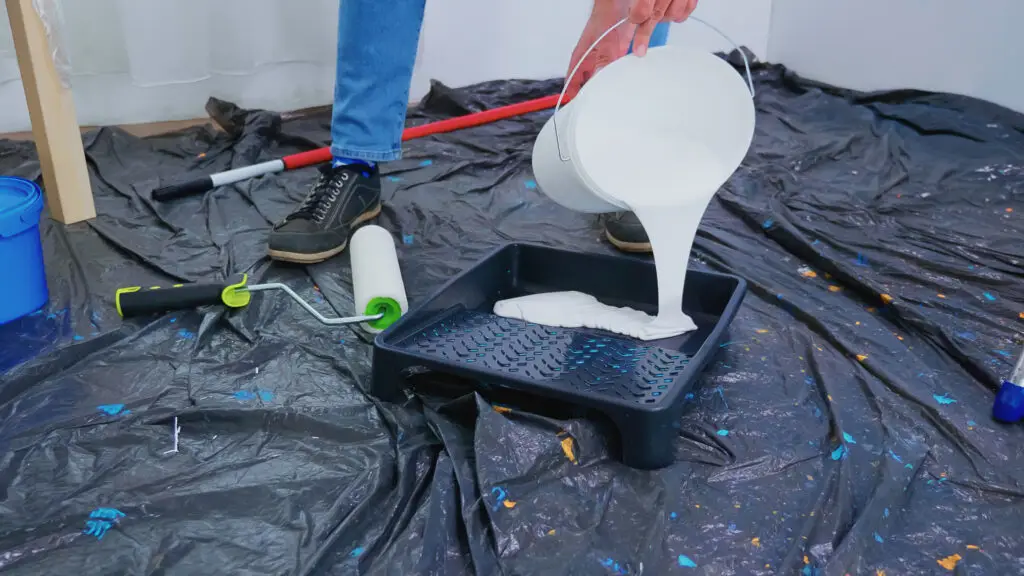
Waterproofing paint is a popular solution for homeowners looking to protect their basements from moisture. This specialized paint is designed to create a barrier on interior walls, but it’s important to understand what it can and can’t do before you start a project.
What Is Waterproofing Paint?
Waterproofing paint is a thick, acrylic-based coating designed to block moisture from seeping through porous masonry surfaces like concrete or brick. It contains special additives that fill the tiny holes in the material, creating a sealed, water-resistant surface.
How It Works
The paint forms a powerful bond with the surface, creating a protective layer that repels water. It works best on interior walls that are experiencing minor dampness or sweating, rather than active leaks.
When It Should Be Used
Use waterproofing paint as a proactive measure to prevent minor moisture issues. It’s ideal for a basement that feels a bit damp after heavy rain or has a slight musty smell, indicating high humidity.
Benefits of Waterproofing Paint
Prevents Moisture and Mold
By sealing the pores of your walls, waterproofing paint prevents moisture from entering your basement. This is crucial for preventing mold and mildew growth, which thrive in damp environments and can cause health issues.
Improves Durability
The paint adds a layer of protection to your walls, making them more resistant to wear and tear. It can also help to prevent efflorescence, the white, chalky substance that forms when water seeps through concrete.
Enhances Appearance
Beyond its functional benefits, waterproofing paint provides a clean, finished look to your basement walls. It can be a cost-effective way to brighten up the space and make it feel more welcoming.
Limitations of Waterproofing Paint
It’s important to have realistic expectations about this type of paint.
Surface Prep Requirements
Waterproofing paint will not work on dirty or peeling surfaces. The wall must be completely clean, dry, and free of any old paint or residue for the new coat to bond correctly.
Not a Solution for Major Leaks
Waterproofing paint is not a fix for structural problems. If you have a crack in your foundation that is actively leaking or a major water intrusion problem, this paint will not hold up. The hydrostatic pressure from the water will eventually cause the paint to blister and peel.
How to Apply Waterproofing Paint
Cleaning & Drying Surface
Start by cleaning the walls thoroughly with a stiff brush and a cleaning solution. All dust, dirt, and mold must be removed. The surface must be completely dry before you apply the paint.
Applying First Coat
Use a roller with a thick nap or a brush to apply a generous first coat. Make sure to work the paint into all the pores and crevices of the wall.
Adding Second Coat & Sealing
Apply a second coat after the first has dried completely. A second coat provides a more robust barrier and a more even finish.
Alternatives to Waterproofing Paint
Professional Sealing Systems
For more serious moisture problems, a professional sealing system or a vapor barrier is a more reliable solution. These products are designed to handle significant water pressure and provide a long-lasting fix.
Drainage Solutions
If water is entering your basement due to poor exterior drainage, the best solution is to address the source. This could involve installing a French drain, improving your gutters, or regrading the soil around your foundation.Choosing the right solution for your basement’s moisture issues can be complex. For a professional assessment and a high-quality, lasting result, contact Anderson’s Painting today for a free estimate.