
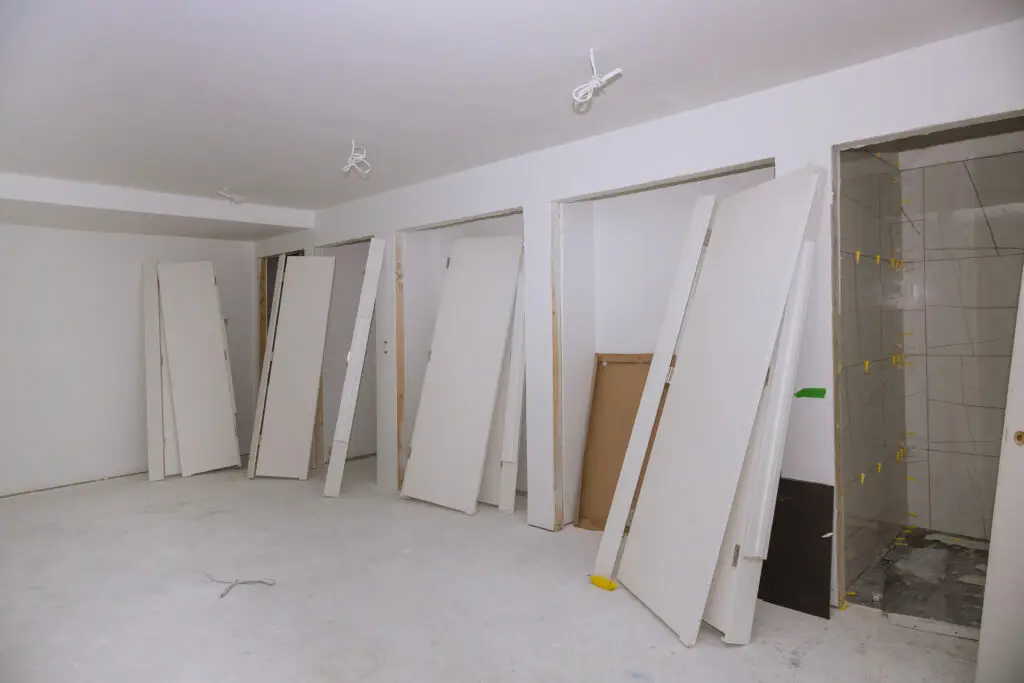
Finishing a basement is a great way to add living space to your home, but the unique environment of a basement presents specific challenges. Unlike the rest of your home, basements are prone to moisture and humidity, which can quickly ruin standard drywall. Choosing the right material from the start is crucial for a long-lasting and healthy space.
Challenges of Basement Environments
Moisture and Humidity
Basements are below ground level, making them susceptible to moisture seepage through concrete walls and floors. Humidity can also be a constant issue, especially in older homes. This moisture is the primary enemy of standard drywall.
Potential for Mold Growth
When moisture is present, mold and mildew can thrive on the paper and gypsum core of regular drywall. This can lead to musty odors, poor air quality, and the need for expensive repairs down the road.
Best Drywall Options for Basements
To combat these issues, always opt for a drywall that is specifically designed for high-moisture environments.
Mold-Resistant Drywall
This is the best choice for basement walls and ceilings. Mold-resistant drywall is treated with a special paper and core that actively prevent the growth of mold. This material is a little more expensive than standard drywall, but it’s a wise investment that can save you significant time and money in the future.
Moisture-Resistant Drywall
Often referred to as green board, moisture-resistant drywall has a waxed paper facing that is more water-resistant than standard drywall. While it’s a good step up, it’s not as effective against mold as the dedicated mold-resistant types. It can be a good option for a basement that has a reliable dehumidifier and no history of water issues.
Alternatives
For areas that may be at a higher risk of water damage, such as a wall directly against the foundation or a utility room, consider using alternatives like cement board or fiberglass-faced drywall panels. These options are highly resistant to moisture and will not support mold growth.
Where to Use Different Drywall Types
Walls Near the Foundation
For walls that are in direct contact with the foundation, it’s best to use mold-resistant drywall or a completely moisture-proof material like cement board. This provides a strong barrier against any potential moisture wicking through the concrete.
Finished Basement Ceilings
The ceiling is also a prime location for moisture from the ground or even condensation from pipes. Using mold-resistant drywall here is highly recommended to keep the entire space safe and dry.
Tips for Basement Drywall Installation
Proper Ventilation
Before you even install the drywall, ensure your basement has good ventilation. A dehumidifier is a crucial tool for controlling humidity levels and keeping the air dry.
Waterproofing First
No drywall, no matter how resistant, is a substitute for proper waterproofing. Before you start your project, make sure to address any existing moisture problems. This might involve applying a waterproofing paint to the concrete walls and ensuring the floor is sealed.
For expert advice on basement finishes and to get a flawless paint job that will last for years, contact Anderson’s Painting today for a free estimate.