
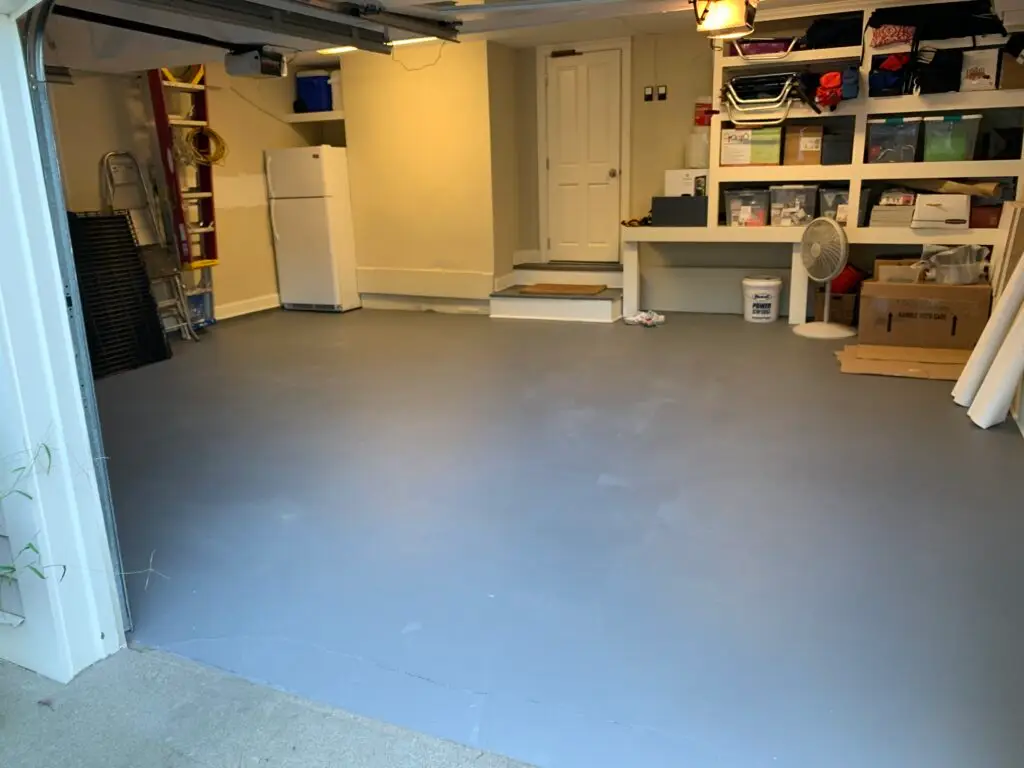
Finishing your garage with drywall is a smart way to improve its function, appearance, and safety. However, a garage is a unique environment, with greater temperature swings and specific safety requirements compared to other rooms in your home. Choosing the right type of drywall is essential.
Why Garage Conditions Are Unique
Temperature Changes
Garages are typically not insulated or temperature-controlled, leading to large fluctuations in heat and cold throughout the year. This can cause standard drywall to expand and contract, leading to cracks over time.
Fire Safety Codes
Garages often store flammable materials like gasoline, paint, and chemicals. Because of this, many local building codes require a fire-rated drywall to provide a crucial barrier between the garage and the living space of your home.
Recommended Drywall Options for Garages
Fire-Rated Drywall (Type X)
This is the most common and important type of drywall for garages. Type X drywall is thicker and denser than standard drywall and contains glass fibers that make it more resistant to fire. Using Type X drywall on walls and ceilings that are adjacent to living areas is a smart and often required safety measure.
Moisture-Resistant Drywall
If your garage is prone to humidity or water from melting snow or rain, consider using moisture-resistant drywall. This material, sometimes called green board, has a special paper facing that helps prevent the growth of mold and mildew, protecting your walls from water damage.
Standard Drywall for Non-Fire Areas
You can use standard drywall on walls that do not connect to your home’s living areas, such as an exterior-facing wall. However, for a uniform and durable finish, using one of the more specialized types throughout the garage is a good idea.
Installation Tips for Garage Drywall
Sealing Joints & Fire Safety Compliance
For Type X drywall to be effective, all joints must be properly taped and mudded. In some cases, your local building code may require two layers of fire-rated drywall for additional protection, so always check your local regulations.
Insulation Pairing
Installing drywall is the perfect time to add insulation. Proper insulation will help regulate the temperature in your garage and protect the drywall from extreme temperature swings, which can help prevent cracking.
Cost & Durability Considerations
While fire-rated and moisture-resistant drywall are more expensive than standard drywall, their added protection and durability make them a worthwhile investment for a garage. The long-term benefits of enhanced safety and reduced maintenance far outweigh the initial cost.
For a professional garage drywall installation and painting service that meets all safety standards, contact Anderson’s Painting today for a free consultation.