
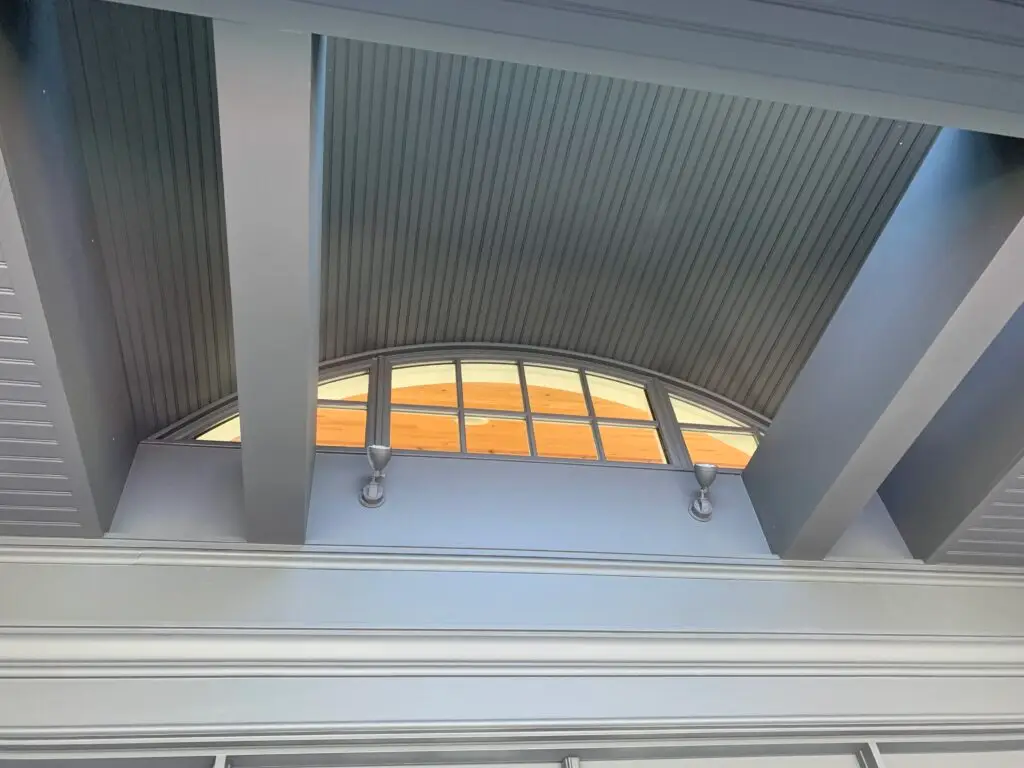
PVC (Polyvinyl Chloride) trim, often called cellular PVC, has become a standard choice for exterior millwork, including fascia, trim boards, and window surrounds. It’s prized for its durability—it resists rot, moisture, and insects without needing constant maintenance.
But what if you want to change its color or need it to match existing wood trim? The short answer is yes, you absolutely can paint PVC trim, but it requires a slightly different approach than painting traditional wood. Because PVC is a non-porous plastic, standard paint can struggle to adhere.
Here is your essential guide to successfully painting PVC trim for a beautiful, long-lasting result.
Understanding PVC Trim
Before picking up a brush, it’s important to understand why this material requires specialized handling.
Why Painting PVC Can Be Tricky
The main challenge with PVC is its non-porous surface. Unlike wood, which absorbs primer and paint, PVC is slick and dense. If you apply a standard paint directly, it will likely peel, flake, or scratch off quickly because it hasn’t properly bonded to the surface.
Additionally, PVC is a plastic, meaning it expands and contracts significantly more than wood with temperature changes. The paint you choose must be flexible enough to move with the PVC without cracking.
Benefits of Painting for Aesthetics and UV Protection
While PVC is inherently maintenance-free, painting offers two key advantages:
- Aesthetics: Painting allows the trim to perfectly match your siding, brick, or masonry, delivering a cohesive exterior design that white PVC cannot always achieve.
- UV Protection (Crucial for Dark Colors): While white PVC reflects solar heat, applying a dark color to PVC can cause it to heat up excessively, potentially leading to warping or distortion. High-quality exterior-grade paints contain specific pigments that reflect solar energy, even in dark colors. Always ensure the paint manufacturer approves the color for PVC application.
How to Prepare PVC Trim for Painting
Preparation is the most critical step. A flawless finish relies 90% on how well you prepare the surface.
Clean with Soap and Degreaser
All PVC trim, especially if it’s been exposed to the elements, must be perfectly clean. Use a mild solution of soap and water or a non-residue degreasing agent (like TSP substitute). Wash away any dirt, mildew, oil, or manufacturing residue. Rinse thoroughly with clean water and allow the surface to air dry completely.
Lightly Sand for Better Adhesion
Sanding PVC does not smooth the surface; its purpose is to create a physical profile for the primer to grip onto. Using 220-grit sandpaper or a sanding sponge, lightly scuff the entire surface. You aren’t trying to remove material; you are just creating microscopic scratches.
Never use acetone or harsh chemical solvents for cleaning, as these can damage the structure of the cellular PVC.
Use a Bonding Primer
This step is non-negotiable. Because PVC is non-porous, you need a primer specifically designed to grab onto slick surfaces. Look for a high-quality, 100% acrylic or specialized bonding primer formulated for hard-to-adhere materials like fiberglass, vinyl, or plastic. This product acts as the necessary bridge between the plastic and the topcoat.
Best Paints for PVC Trim
Choosing the right topcoat ensures flexibility and long-term durability against the elements.
100% Acrylic Latex Paints
The optimal choice for PVC trim is a premium, 100% acrylic latex exterior-grade paint with a satin or semi-gloss sheen.
- Flexibility: Acrylic latex is inherently flexible, allowing it to move with the expanding and contracting PVC as temperatures fluctuate throughout the day and year.
- Adhesion: When applied over a proper bonding primer, high-quality acrylic resins form an extremely durable bond.
- Sheen: The durability and cleanability of PVC is best complemented by a satin or semi-gloss finish.
Avoid Oil-Based Paints (Poor Adhesion)
Avoid traditional oil-based (alkyd) paints for PVC. Oil paints dry very hard and rigid, which makes them susceptible to cracking when the PVC underneath expands and contracts. Furthermore, oil paints contain solvents that can sometimes chemically react with the PVC, causing yellowing or poor long-term adhesion. Stick to acrylic latex.
Step-by-Step Painting Process
Once the trim is prepped and you have the right materials, follow this professional sequence for a durable finish.
Apply Primer and Allow Full Cure
Using a high-quality brush or fine-finish roller, apply a thin, even coat of your bonding primer. Do not apply too thick. It’s better to apply two thin coats of primer than one heavy coat.
Check the manufacturer’s directions, but typically, bonding primers need a minimum of 24 hours to fully cure and achieve their maximum adhesion strength before the topcoat is applied. Rushing this step will compromise the entire project.
Two Thin Coats of Exterior-Grade Paint
Once the primer is cured, apply the topcoat:
- First Coat: Apply a thin, even layer of your 100% acrylic latex paint. Allow it to fully dry according to the manufacturer’s instructions (usually 4–8 hours).
- Second Coat: Apply the second thin coat. This ensures color depth and full durability.
Pro Tip: Always apply paint when the air and surface temperatures are within the manufacturer’s recommended range (typically 50°F to 90°F). Painting during direct midday sun or in freezing temperatures can damage the finish.
FAQs
Do I need to prime factory-finished PVC?
Yes, priming is essential, even if the PVC is new. Factory-finished PVC is often slick or has a wax-like coating from manufacturing. While some brands claim a “paint-ready” finish, a light sanding and a quality bonding primer are the only ways to guarantee long-term adhesion against peeling and flaking. Never skip the primer step on PVC.
How long does painted PVC last outdoors?
When properly prepped and painted with high-quality 100% acrylic latex paint, a professional paint job on PVC trim should last just as long as a high-quality exterior paint job on wood—typically 10 to 15 years before needing a fresh coat. The paint will not peel prematurely due to the material underneath, assuming the correct bonding primer was used.
Painting PVC trim transforms your home’s exterior, offering the perfect blend of maintenance-free durability and custom color. But because it’s a tricky surface, trusting the preparation and application to professionals is always the smartest investment.
Ready to update your curb appeal with flawless, custom-colored PVC trim? Contact Anderson’s Painting today for a detailed consultation and guarantee of long-lasting results!