
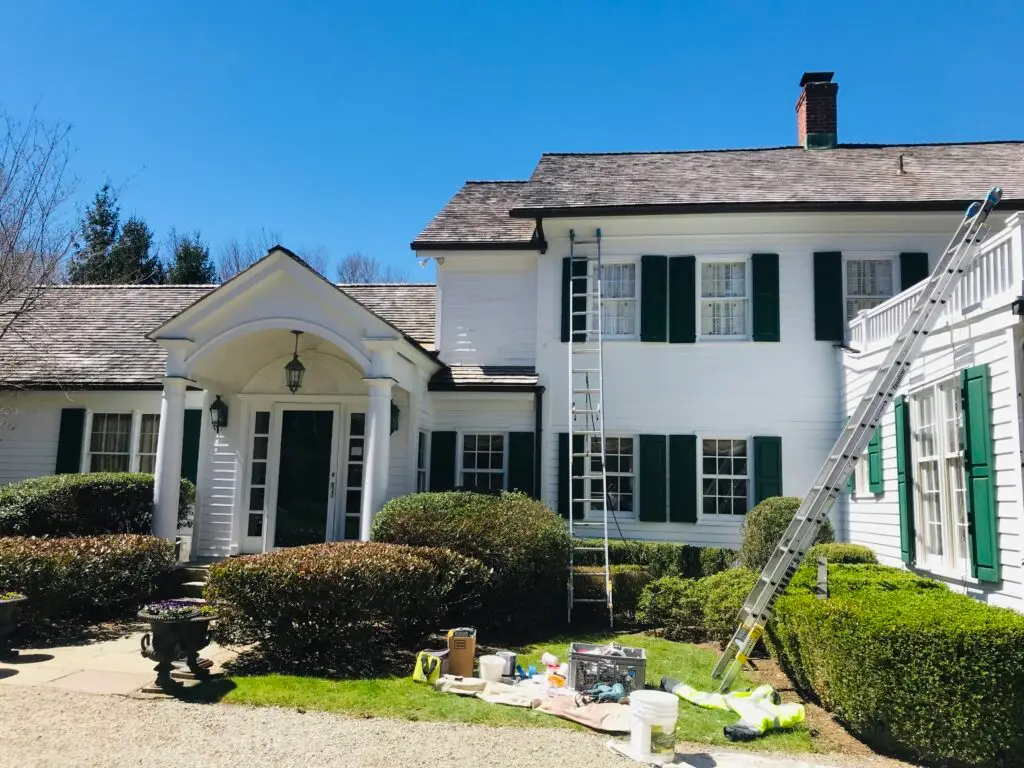
Repainting your home’s exterior is one of the most impactful investments you can make, instantly boosting curb appeal, resale value, and, crucially, protecting the structure from water damage and decay. However, understanding the total cost of a professional paint job can be complex, as pricing depends on far more than just the paint itself.
As you plan your budget for the year, here is a comprehensive breakdown of the costs to repaint a house in 2025, detailing what you should expect to pay and what factors drive the final price.
Average Cost by Home Size
Professional painting services typically calculate the cost based on the total square footage of the exterior walls (not the floor plan), the architectural complexity, and the necessary prep work.
1,000–2,000 sq. ft. Homes
This range typically covers smaller single-story homes, ranches, or townhouses. These projects generally involve less scaffolding and easier accessibility, leading to lower labor costs.
- Average Cost Range: $4,500 – $8,500
- Timeline: 3 to 5 days
2,000–3,500 sq. ft. Homes
This is the standard size for most American two-story and mid-sized suburban homes. The cost increase is driven by higher wall height (requiring more careful ladder work or scaffolding) and increased surface area for preparation.
- Average Cost Range: $8,000 – $14,000
- Timeline: 5 to 8 days
Factors that Raise or Lower Pricing
While the ranges above provide a starting point, two critical factors immediately affect the quote:
- Complexity: Homes with extensive architectural details (dormers, intricate trim, multiple gables, and challenging window arrangements) require significantly more taping, masking, and brushwork, which increases labor time.
- Current Condition: If the existing paint is heavily peeling, chalking, or requires extensive scraping and sanding to create a smooth substrate, the prep time alone can add 20% to 40% to the total bill.
What’s Included in a Repaint Job
A quality professional repaint job is 75% preparation and 25% painting. You are paying for a complete system, not just the application of color.
Prep Work (Sanding, Caulking, Priming)
The bulk of the project budget goes into preparing the surfaces, which ensures paint adhesion and durability. This mandatory phase includes:
- Power Washing/Cleaning: Removing dirt, mildew, and loose debris from the surface.
- Scraping and Sanding: Eliminating all flaking or peeling paint edges to create a smooth transition between the bare surface and the remaining old paint.
- Caulking and Sealing: Applying high-quality elastomeric caulking to seal cracks, gaps, and seams around windows, trim, and siding joints to prevent moisture intrusion.
- Priming: Spot-priming or full-priming all bare wood or patched areas to ensure the topcoat adheres properly and has uniform sheen retention.
- Masking and Drop Cloths: Protecting all non-painted surfaces (windows, roofs, plants, walkways) from splatter.
Paint, Labor, and Material Costs
The overall cost breakdown typically looks like this:
- Labor (70% – 80%): This covers the professional skills required for prep, precise cutting, application, and clean-up.
- Paint and Consumables (15% – 20%): This includes the actual paint (premium exterior latex typically costs $60–$85 per gallon), primer, brushes, rollers, tape, and scaffolding rentals.
Factors That Affect Total Price
Every home is unique, and several variables can significantly swing your final quote, often justifying a higher initial price for a longer-lasting result.
Paint Quality and Brand Differences
Choosing a premium 100% acrylic exterior paint (brands like Sherwin-Williams Emerald, or Benjamin Moore Aura) is highly recommended. While they cost more upfront (sometimes 2–3 times the price of budget paint), their advanced resins and UV protection extend the life of the paint job from 5–7 years (budget) to 10–15 years (premium). Over time, the cheaper paint costs you more due to frequent repainting.
Accessibility and Weather Conditions
- Height and Architecture: Homes with three or more stories, steep roofs, or challenging access points that require specialized lift equipment, complex scaffolding, or extensive safety rigging will incur higher labor and equipment rental costs.
- Weather Conditions: Scheduling during extreme heat or cold may require special low-temperature paints or the use of controlled tents and heaters, which adds to the overall project cost.
Saving Money on a Repaint Project
While you should never compromise on preparation or paint quality, there are smart ways to reduce your overall expenditure.
Combining Trim and Wall Repaint
If you are planning to repaint your siding, ask your contractor about combining the trim painting into the same scope. Performing the prep work (scraping, caulking, masking) for both the walls and trim at the same time is more efficient than doing them separately, often leading to a slight discount versus booking two separate projects.
Off-Season Scheduling Discounts
Exterior painting is seasonal, peaking in late spring and summer. If you live in a region that allows for it (with mild temperatures), scheduling your exterior work during the shoulder seasons—early spring (March/April) or late fall (October/November)—may allow your contractor to offer a discount due to lower demand and lighter schedules.
FAQs
Is it cheaper to paint the interior or exterior?
It is almost always more expensive to paint the exterior of a home. While interior paint costs are usually simple (cost per room), exterior painting involves complex surface preparation (scraping, sanding), working at heights, dealing with weather constraints, and using more expensive exterior-grade materials.
How long does a professional repaint last?
A high-quality, professional exterior repaint using premium 100% acrylic latex paint and thorough surface preparation should last 10 to 15 years under normal conditions. Using lower-quality paint or skipping essential prep work can reduce that lifespan to as little as five years.
Repainting your house is a significant undertaking, but with the right contractor, it delivers immense value and protection. The difference between a high-quality job and a budget job often comes down to the detailed prep work and the quality of the materials used—the things that ensure your new paint job lasts for years to come.
Ready for a precise and transparent quote for your home’s exterior transformation? Contact Anderson’s Painting today to discuss your project and schedule an on-site evaluation!