
Painting wood furniture is one of the most cost-effective ways to update your home décor, but the final results depend heavily on the type of paint you choose and how well you prepare the surface. Selecting the wrong product can lead to chipping, peeling, or a finish that simply doesn’t last.
This guide, brought to you by Anderson’s Painting, breaks down the best paint options and techniques to ensure your next furniture refinishing project is a success.
What Type of Paint Works Best on Wood Furniture?
The ideal paint choice depends entirely on the look you want to achieve, the furniture’s use (high-traffic or decorative), and how much preparation you are willing to do.
Latex Paint
Latex paint (water-based acrylic-latex) is the most common and widely available type of house paint. Modern formulations have made them a viable option for furniture, offering a balance of ease and durability.
- Pros: Easy to clean up (soap and water), low odor, fast-drying, and generally budget-friendly. Modern 100% acrylic formulas offer good durability.
- Cons: Requires thorough prep and priming, especially on glossy or stained wood, to prevent chipping. Takes longer than oil-based paint to fully cure (harden).
- Best Use: General use furniture, large pieces like dressers or sideboards, and pieces that will receive a topcoat sealer.
Chalk Paint
Chalk paint is a specialized decorative paint known for its distinctive velvety, ultra-matte finish and ease of use. It is popular for achieving distressed, shabby-chic, or farmhouse styles.
- Pros: Minimal surface prep required (often advertised as “no sanding”), excellent adhesion to almost any surface (wood, metal, laminate), and quick drying time.
- Cons: Requires a protective topcoat (wax or polycrylic sealer) to prevent scratches and water damage, as the natural finish is porous. It is generally more expensive than latex.
- Best Use: Decorative pieces, antiques, achieving a distressed look, and pieces where minimal prep work is desired.
Milk Paint
Milk paint is an ancient, organic paint made from milk protein (casein), lime, clay, and natural pigments. When mixed with water, it provides a very flat, porous finish that often creates a natural, chipped, or aged look.
- Pros: Non-toxic, zero VOCs, and biodegradable. If applied without a bonding agent, it naturally chips or “crazes,” giving a true primitive or aged antique appearance.
- Cons: Comes as a powder that must be mixed, limited color palette compared to modern paints, and difficult to control the distressed look without practice. Also requires a topcoat seal.
- Best Use: True antique looks, primitive furniture, and for projects where only natural, organic ingredients are acceptable.
Oil-Based Paint (Alkyd)
Oil-based paints are generally made with an alkyd resin binder. While they require mineral spirits for cleanup and emit strong odors, they deliver an exceptionally hard and durable finish.
- Pros: Superior durability, excellent adhesion, and levels out beautifully (reducing brush marks) due to its slow drying time. Creates a rock-hard, long-lasting surface.
- Cons: High VOC content and strong fumes require excellent ventilation. Slow drying time can extend project length. Requires mineral spirits for brush cleanup.
- Best Use: High-wear pieces like dining tables, kitchen cabinets, or furniture subject to heavy use, where maximum durability is the priority.
How to Choose the Right Finish
The sheen, or finish, you choose drastically affects the final appearance, cleanability, and durability of your painted furniture.
Matte vs. Satin vs. Semi-Gloss
| Finish/Sheen | Appearance | Durability & Cleaning | Best for… |
| Matte/Flat | Zero reflection; velvety, soft look. | Least durable; shows scuffs easily; difficult to wipe clean without removing paint. | Distressed, decorative, or antique looks (often used with chalk paint). |
| Satin/Eggshell | Slight, soft luster; the most popular middle-ground sheen. | Good durability; easy to wipe down and clean; hides minor surface imperfections well. | Everyday furniture like dressers, bookshelves, and nightstands. |
| Semi-Gloss | Higher sheen; distinct, noticeable reflection of light. | Very durable and scrubbable; resistant to moisture and grease. | High-contact items like tabletops, chairs, and bathroom vanities. |
Durability and Scratch Resistance
Generally, the higher the sheen (moving from Matte to Semi-Gloss), the more durable and scratch-resistant the finish will be. This is because the reflective quality comes from higher resin content, which provides a harder, more protective film.
- For pieces that will see heavy use (like dining chairs), always choose a Semi-Gloss paint or, if using a matte paint (like chalk paint), apply multiple coats of a water-based polycrylic topcoat.
Indoor vs. Outdoor Use Considerations
Outdoor furniture is exposed to severe elements and requires specialized paint formulas:
- UV Resistance: Outdoor paint must contain additives that resist fading and breakdown from continuous sun exposure.
- Moisture Management: The paint film must be flexible enough to withstand the expansion and contraction of wood due to changes in humidity and temperature without cracking.
- Recommendation: Always use a paint explicitly labeled for Exterior Use (often a 100% acrylic latex or a marine-grade alkyd enamel) on outdoor furniture.
Prep Matters: Surface Condition Before Painting
Preparation is arguably the most critical step in furniture painting. A poor finish almost always traces back to inadequate surface preparation.
Cleaning, Sanding, Repairing Dents
- Cleaning: Furniture must be absolutely free of grease, dust, and grime. Use a degreaser like TSP (Trisodium Phosphate) substitute or a powerful soap solution. Rinse thoroughly and allow the wood to dry completely.
- Sanding: Sanding provides “tooth,” or tiny scratches, that the primer and paint can grip onto.
- Light Sanding (Scuffing): Use 150- to 220-grit sandpaper to break the glaze of the existing finish (even when using “no-sand” paints, scuffing is recommended for better adhesion).
- Heavy Sanding: If the surface is peeling or heavily damaged, sand down to the bare wood using 80- or 100-grit paper, followed by a smoother 150-grit finish.
- Repairing Dents: Fill any deep scratches, gouges, or dents with wood filler. Let the filler cure, then sand it perfectly flush with the surrounding wood before priming.
When Primer is Necessary
Primer is the bridge between the prepared surface and the paint. It is rarely optional for furniture painting.
- New/Bare Wood: Primer is essential to seal the wood grain and prevent the topcoat from soaking into the porous surface unevenly.
- Glossy/Difficult Surfaces: Surfaces like laminate, slick veneer, or glossy factory finishes require a specialized bonding primer (often oil or shellac-based) to ensure adhesion.
- Stain-Blocking: If you are painting over old wood that is prone to “bleed-through” (where old stains, knots, or markers seep through the new paint), you must use a shellac-based primer or a specialized stain-blocking primer. Failure to do so will result in yellowish or pink stains appearing on the finished coat.
FAQs About Paint for Wood Furniture
“Does chalk paint really require no sanding?”
While manufacturers market chalk paint as requiring no sanding, a light cleaning and scuff sanding is highly recommended for longevity. Chalk paint adheres well to nearly everything, but if the underlying surface is slick (like laminate or high-gloss varnish), a quick wipe with 150-grit sandpaper creates the necessary mechanical bond for superior durability. Skipping sanding entirely risks premature chipping, especially on high-contact areas.
“What paint lasts longest on wood?”
Oil-based (alkyd) enamel paint historically offers the longest-lasting, hardest, and most durable finish on wood. It cures into a hard shell that resists chipping and scratches better than most standard water-based paints. However, modern, high-quality 100% acrylic latex enamel paints, particularly those with a semi-gloss sheen, offer comparable durability and are preferred by many professionals due to their low VOCs and easier cleanup.
“Can you use wall paint on furniture?”
Yes, you can use interior latex wall paint on furniture, but it is generally not recommended without a protective topcoat. Wall paint (especially a flat or eggshell sheen) is formulated to hide imperfections and be breathable, not to withstand the constant wear, cleaning, and friction that furniture endures. If you must use wall paint, ensure it is an enamel formulation (which contains resins for durability) and apply at least two coats of a clear, water-based polycrylic sealant over the top for true protection.
Whether you are refinishing an heirloom or updating a flea market find, the key to success lies in preparation and product selection. Don’t waste your effort by using the wrong materials!
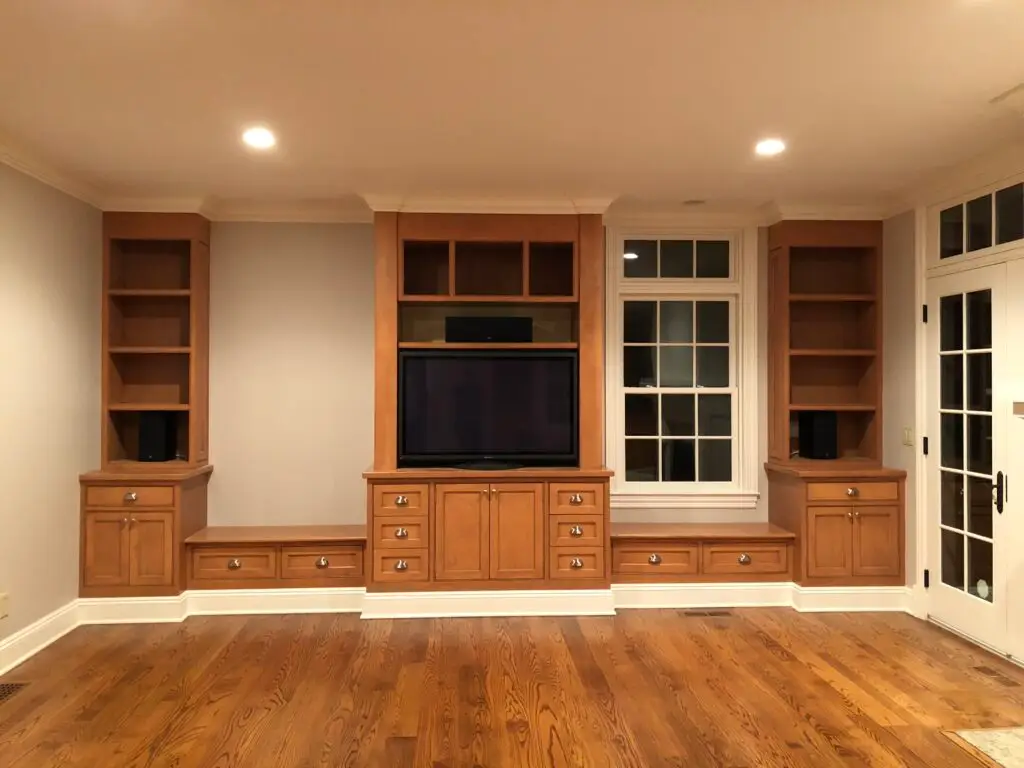
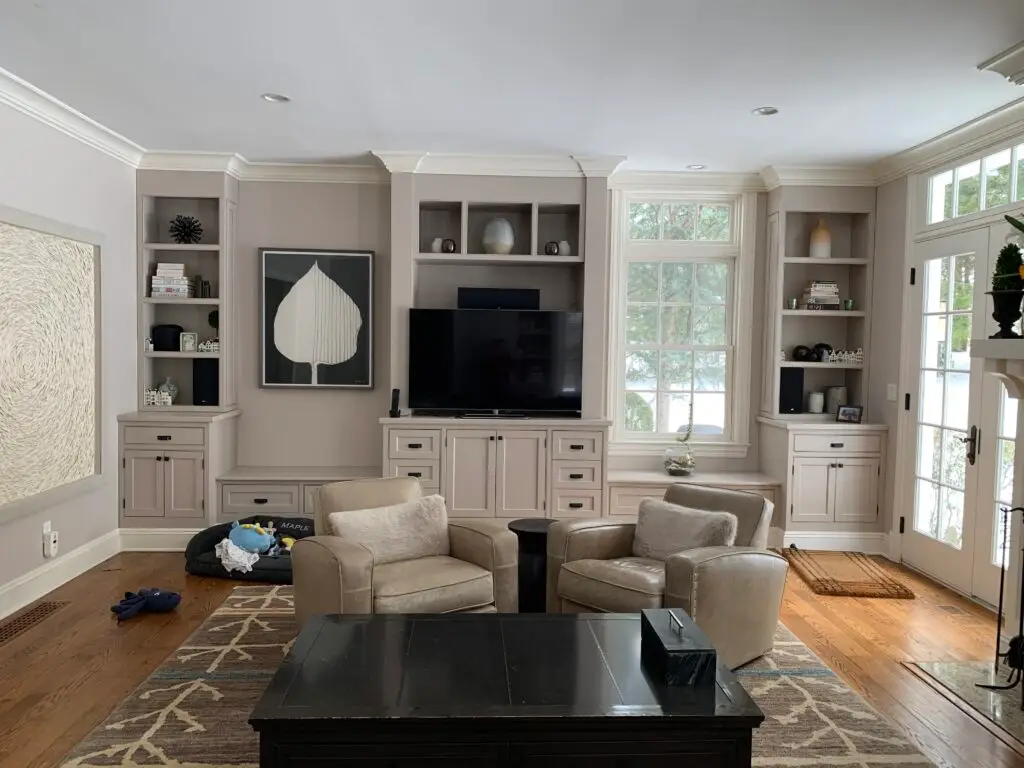
For your most valued pieces, or for large-scale projects, trust the professionals. Contact Anderson’s Painting today for expert furniture refinishing services and durable, factory-quality results!