
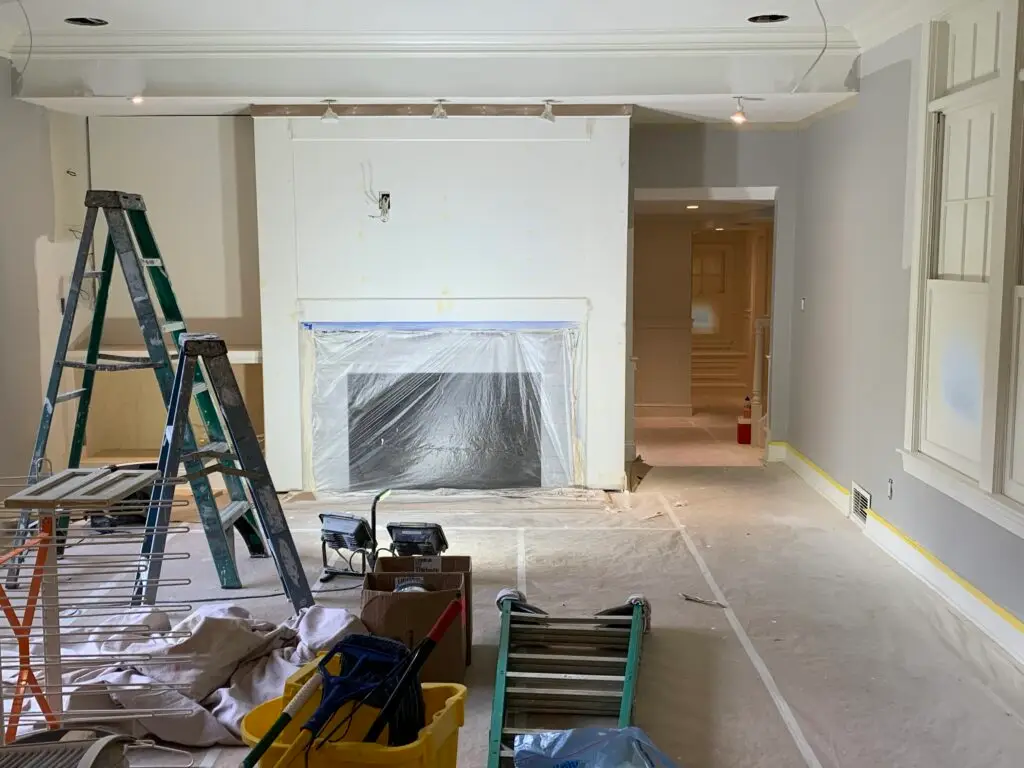
The lifespan of interior paint can vary dramatically, ranging from as little as three years to over seven, depending on a combination of environmental factors, the quality of the paint used, and the amount of wear and tear the surface sustains. On average, a quality interior paint job should hold up well for 5 to 7 years in low-traffic areas before showing noticeable signs of wear.
The key to maximizing paint longevity is understanding which factors accelerate deterioration and applying preventative maintenance.
Average Lifespan of Interior Paint by Room
The expected lifespan of paint is highly dependent on the function and environment of the specific room.
Living Rooms & Bedrooms: 5–7 Years
These are considered low-traffic, low-moisture areas. The paint film is rarely subject to physical contact, grease, or high humidity. Deterioration here is typically slow, primarily caused by dust, subtle fading from indirect sunlight, and eventual grime buildup.
- Why it lasts longer: Minimal contact, stable temperature, and low humidity.
- When to repaint: Usually driven by aesthetic preference, color fading, or major style updates, rather than structural failure of the paint film.
Hallways: 3–5 Years
Hallways, stairwells, and entryways are high-traffic zones. They are subject to frequent scuffs, bumps, and hand contact. While the environment itself is dry, the constant friction and cleaning required shorten the paint’s lifespan.
- Why it lasts shorter: High physical abrasion, requiring more frequent spot cleaning.
- Tip: Using a durable finish like satin or semi-gloss in these areas is crucial to achieving the upper end of this range.
Bathrooms & Kitchens: 3–4 Years
These areas have the shortest lifespan due to extreme conditions that actively degrade the paint binder and pigments.
- Bathrooms: High humidity, condensation, and steam promote mildew growth and can compromise the adhesion of the paint film, leading to peeling, especially near showers and tubs.
- Kitchens: The paint must withstand grease splatters, cooking fumes, steam, and frequent cleaning with stronger detergents.
- Tip: Repainting often is necessary to maintain sanitation and prevent moisture damage to the underlying drywall.
What Affects How Long Paint Lasts?
Four primary factors influence how well and how long a paint finish will perform.
Paint Quality
Premium, higher-grade paints contain a greater concentration of binding resins (polymers) and high-quality pigments. The binders are the “glue” that holds the paint together and adheres it to the wall.
- High Quality: A higher concentration of durable binders creates a thicker, tougher film that resists cracking, chipping, and degradation from cleaning products.
- Low Quality: Fewer binders mean a thinner, more porous film that wears down faster and provides poor washability.
Number of Coats
Two full coats of paint, properly applied over a primed surface, create the ideal film thickness. This film provides maximum protection, color saturation, and durability. Applying only one coat—even of a high-quality paint—will result in an inadequate film thickness that is more susceptible to damage, fading, and poor washability.
Room Humidity & Lighting
Environmental factors play a major role in the integrity of the paint film.
- High Humidity: Persistent moisture (e.g., in basements or bathrooms) softens the paint film and can lead to mildew, blistering, and peeling due to adhesion failure. Proper ventilation is critical.
- Strong Lighting: Direct and sustained sunlight (UV rays) breaks down the chemical binders and pigments in the paint, causing colors to fade and the paint film to become brittle.
Cleaning Frequency
While necessary for hygiene, frequent and overly aggressive scrubbing or the use of harsh, abrasive chemical cleaners will gradually wear away the paint finish. This is especially true for flat or low-sheen paints. Paint is a sacrificial layer; every time you scrub it, you remove a microscopic amount of the film.
Signs It’s Time to Repaint
Knowing the early warning signs of paint failure can help you schedule necessary maintenance before the wall surface is damaged.
Fading
Fading is most noticeable on walls that receive direct sunlight, such as those near windows or glass doors. The original color will appear duller, washed out, or even change hue as the pigments break down. If the paint on the edges of the wall (where sun exposure is lower) looks drastically different from the main portion of the wall, it is time to repaint.
Scuff Marks and Stains
In high-traffic areas, scuff marks that cannot be removed by gentle cleaning, or stains that have permanently penetrated the paint film, signal that the paint’s protective barrier is exhausted. When touch-ups become noticeably patchy or the overall appearance looks tired and soiled, a full repaint is warranted.
Peeling or Bubbling
Peeling, blistering, or bubbling is a structural failure of the paint’s adhesion to the wall. This is almost always caused by a moisture issue (excessive humidity, water leaks, or condensation). If you see this, you must first resolve the moisture source (e.g., fix a leak, increase ventilation) before scraping, sanding, and repainting with a moisture-resistant primer and topcoat.
Tips to Make Interior Paint Last Longer
You can significantly extend the life and beauty of your paint with thoughtful product selection and routine care.
Use Washable Paints
For all high-traffic areas (hallways, kitchens, children’s rooms), choose a premium paint with an eggshell, satin, or semi-gloss finish. These sheens are formulated for maximum washability and durability, allowing stains to be wiped away without damaging the color or texture.
Regular Cleaning with Gentle Products
Dust and dirt can dull a painted surface. Periodically wipe down walls in high-traffic or high-moisture areas using a soft cloth, warm water, and a very small amount of a mild, non-abrasive detergent (like dish soap). Gentle, routine cleaning prevents stains from setting and eliminates the need for aggressive scrubbing later.
Avoid Harsh Chemicals
Never use abrasive scrubbing pads, scouring powders, or strong solvent-based cleaners (like bleach or ammonia solutions) directly on painted walls unless the paint is industrial grade. These chemicals can chemically soften the paint binder, causing the finish to become sticky, dull, or even lift off the wall entirely. Always test a gentle cleaning solution on an inconspicuous area first.
FAQs About Interior Paint Longevity
“Does sunlight reduce paint life?”
Yes, absolutely. The Ultraviolet (UV) radiation in sunlight is the primary culprit in fading and chalking (a powdery residue). UV rays break down the organic compounds in the paint, including the pigments that provide color and the binders that provide integrity. This is why walls in sun-drenched rooms often need repainting sooner than interior-facing walls.
“How long does paint take to fully cure?”
While most interior acrylic latex paint is dry to the touch within 1–4 hours and safe to recoat within 4–6 hours, it takes much longer to achieve its maximum durability. Paint typically takes about 30 days (four weeks) to fully cure and reach maximum hardness. During this curing period, be extra gentle with the walls, especially when handling furniture or cleaning.
“Do dark colors fade faster?”
Darker colors contain a greater concentration of colored pigment. These pigments absorb more light and heat than light pigments. This increased heat and UV absorption accelerates the degradation of the surrounding paint binders, making the dark color appear faded or dull more quickly than a comparable light or pastel color. Therefore, dark colors require the highest-quality, most fade-resistant paints available.
Planning your next paint project?
Contact us today to schedule a free estimate and ensure you select the highest quality paint and primer for maximum longevity and a flawless finish in every room of your home.