
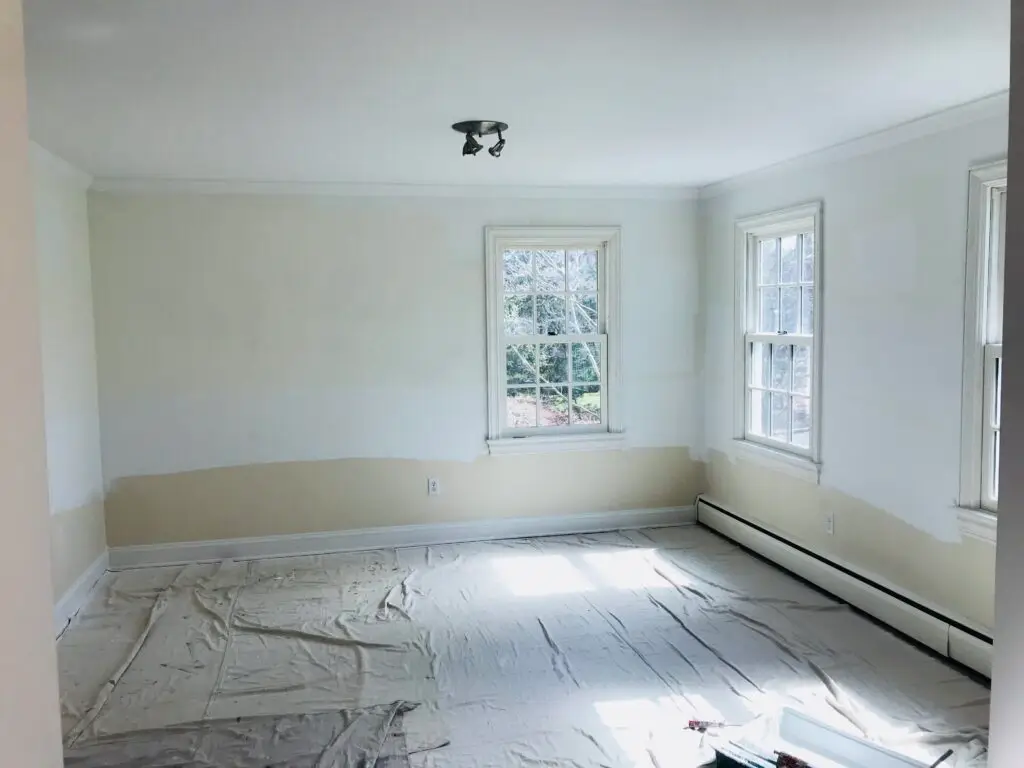
Few things are more satisfying than a freshly painted room, but that satisfaction quickly fades when you notice stray splatters or “paint creep” on your window panes. Whether a DIY project went slightly off-track or a previous homeowner left behind a messy finish, cleaning glass requires a delicate balance of precision and the right tools.
At Anderson’s Painting, we believe that the beauty of a professional paint job is in the details—and that includes crystal-clear windows. Here is our professional guide on how to remove paint from glass safely and effectively.
Identify the Type of Paint First
Before you reach for any tools, you need to know what you are dealing with. The chemistry of the paint determines how strongly it has bonded to the glass surface.
Latex vs. Oil-Based Paint
- Latex (Water-Based): Most modern U.S. interior paints are latex. These are generally easier to remove because they form a plastic-like film on top of the glass rather than a chemical bond. They often “peel” away when treated with a bit of moisture.
- Oil-Based: Often found in older homes or on exterior trim, oil-based paint is much more stubborn. It cures harder and sticks tighter to the glass, often requiring a solvent or more careful mechanical removal.
Fresh Paint vs. Dried Paint
- Fresh Splatters: If the paint is still wet, a damp microfiber cloth is usually all you need. Avoid wiping aggressively, as this can smear the paint into the window seals or “glazing” (the putty holding the glass in place).
- Dried Paint: Once paint has cured (dried for more than 24 hours), it becomes brittle. This requires a “wet-scrape” method to prevent the paint from shattering into tiny dust particles that can scratch the glass.
Safe Methods for Removing Paint From Glass
The goal is to remove the paint without leaving “ghosting” or permanent scratches. Follow these steps used by professional crews across the country.
Soapy Water and Gentle Scraping
Never scrape a dry window. This is the golden rule of professional window cleaning.
- Mix a Solution: Combine warm water with a generous amount of dish soap (like Dawn). The soap acts as a lubricant, allowing the tool to glide over the glass.
- Saturate: Use a sponge or spray bottle to soak the paint spots. Let it sit for 2–3 minutes to soften the bond.
- Lubricate: Keep the glass wet throughout the entire process.
Razor Blade Scraping Technique
When used correctly, a brand-new razor blade is the most effective tool for this job.
- The Tool: Use a retractable window scraper that holds a standard 1-inch or 4-inch straight razor blade.
- The Angle: Hold the blade at a 6-degree to 15-degree angle against the glass. Holding it too upright (closer to 90 degrees) will cause the blade to chatter and scratch the surface.
- The Motion: Always push the blade forward in one smooth, continuous stroke. Never pull the blade backward across the glass, as this can trap grit under the edge and cause scratches.
- The Blade Quality: If the blade catches or feels “rough,” discard it immediately. A single nick in the metal can ruin a pane of glass.
Commercial Paint Removers (When Needed)
For stubborn oil-based paints or large areas of overspray, you may need a solvent.
- Latex: Look for products containing citrus oil or specialized “latex-off” solutions.
- Oil-Based: Mineral spirits or “Goof Off” can be effective. Apply the solvent to a cloth first, rub the spot until it softens, then proceed with the soapy water and scraper method.
What NOT to Use on Windows
Many common household items can cause irreparable damage to window glass, especially newer high-efficiency or tempered panes.
Abrasive Pads and Harsh Chemicals
- Steel Wool/Scouring Pads: While some professionals use #0000 (super fine) steel wool, we generally advise homeowners to avoid it. Green scouring pads and coarser steel wool will “etch” the glass, leaving a cloudy appearance that cannot be cleaned off.
- Caustic Cleaners: Avoid using heavy-duty oven cleaners or acid-based solutions, as these can damage the window frames (especially vinyl or aluminum) and the protective coatings on modern “Low-E” glass.
Tools That Can Scratch Tempered Glass
Tempered glass (found in sliding doors and bathroom windows) is harder to break but easier to scratch. It often contains “fabrication debris”—tiny imperfections on the surface. Using a razor blade on dry tempered glass can catch these particles and drag them across the pane, creating “scratches.” Always test a small, inconspicuous corner first.
Preventing Paint on Windows During Projects
The best cleanup is the one you don’t have to do.
Masking Techniques
- Painter’s Tape: Apply high-quality blue or green painter’s tape to the edge of the glass. Leave a microscopic gap (about 1/16th of an inch) between the tape and the wood trim. This allows the paint to seal the gap between the wood and glass, preventing water from getting behind the trim.
- Masking Liquid: This is a “liquid tape” that you brush onto the glass. It dries into a clear film that you can simply peel off after you finish painting the frames.
Professional Prep Methods
Professionals often use a “shield” or a wide putty knife held against the glass while painting the sash. This allows for a fast application while keeping the bulk of the paint off the pane.
FAQs
Can vinegar remove paint from glass?
Yes, warm white vinegar is an excellent natural alternative for softening latex paint. Soak a cloth in white vinegar, hold it against the paint for a minute, and then wipe or scrape gently.
Will paint thinner damage windows?
Paint thinner (mineral spirits) will not damage the glass itself, but it can ruin the finish on your window frames and dissolve the rubber gaskets or “glazing” that holds the window in place. Use it sparingly and keep it away from the edges.
How do professionals clean windows after painting?
Professionals use a combination of “wet-scraping” with high-grade stainless steel blades and a final polish with professional squeegees and microfiber cloths to ensure no residue or “haze” remains.
Let Anderson’s Painting Handle the Details
Removing paint from windows is tedious and risky. If you have a large project or windows with delicate historical glass, don’t risk the damage. At Anderson’s Painting, our comprehensive service includes meticulous masking before we start and a thorough cleanup after we finish. We leave your trim looking vibrant and your glass looking invisible.
Contact Anderson’s Painting Today for a Flawless, Mess-Free Interior or Exterior Painting Quote