
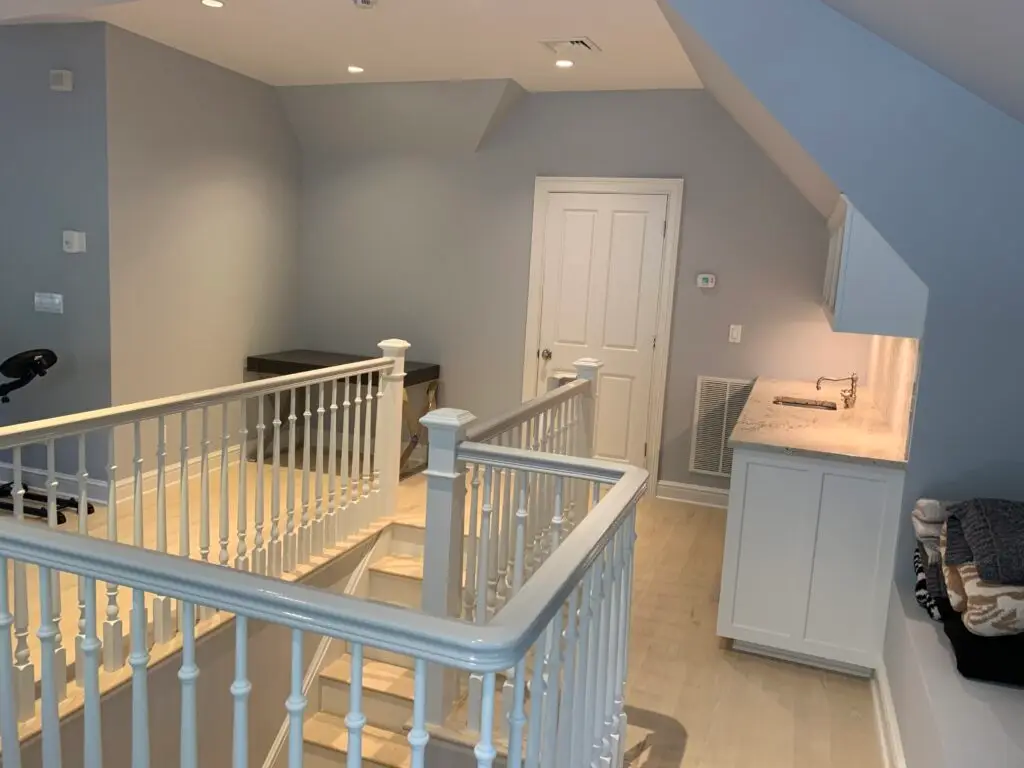
Whether you’ve been refinishing furniture in the garage or touch-up painting a radiator indoors, that distinct, sharp chemical odor of spray paint can be overwhelming. While spray paint is prized for its smooth finish and ease of use, the smell it leaves behind is more than just a nuisance—it is a sign of chemicals lingering in your breathing space.
At Anderson’s Painting, we prioritize both the aesthetic finish and the safety of the environment. Here is a professional guide on why that smell happens and how to clear the air quickly.
Why Spray Paint Smell Lingers
To effectively remove the odor, it helps to understand what exactly you are smelling.
VOCs and Solvents Explained
Spray paints are formulated with Volatile Organic Compounds (VOCs) and solvents like acetone, xylene, and toluene. These chemicals are necessary to keep the paint liquid in the can and help it dry rapidly once applied. “Volatile” means these chemicals turn into gas at room temperature—a process known as “off-gassing.” This off-gassing is the source of the heavy chemical scent.
Poor Airflow During Application
In many U.S. homes, basements or attached garages are the “go-to” spots for spray painting. Unfortunately, these areas often lack the high-volume air exchange needed for aerosol products. Without a clear exit path, the heavy solvent molecules settle into carpets, curtains, and even drywall, extending the life of the odor for days or even weeks.
Fast Ways to Remove Paint Odor
If the smell has already taken over your home, follow these professional-grade steps to neutralize the air.
Cross-Ventilation and Fans
The most effective solution is mechanical air exchange.
- The Strategy: Open windows on opposite sides of the room to create a “tunnel” effect.
- The Pro Tip: Place a box fan in one window facing outward. This pulls the contaminated air out of the room, creating negative pressure that draws fresh air in from the other open windows.
Activated Charcoal and Baking Soda
Standard air fresheners only cover the smell; these materials actually absorb it.
- Activated Charcoal: Available at most U.S. hardware stores or pet shops, activated charcoal is highly porous and traps VOC molecules. Place several bowls of it around the affected area.
- Baking Soda: For a more accessible DIY fix, sprinkle baking soda on nearby rugs or upholstery, let it sit for 24 hours to absorb the acidic paint molecules, and then vacuum thoroughly.
Air Purifiers with Carbon Filters
Not all air purifiers are created equal when it comes to paint. A standard HEPA filter is designed for dust and pollen, but it won’t stop gases. Ensure your unit has a Large Diameter Activated Carbon Filter. These are specifically designed to capture gaseous pollutants and VOCs.
What Not to Do
Avoid these common mistakes that can actually make the situation worse or prolong the exposure.
Masking Smells with Fragrance
Lighting scented candles or spraying floral room deodorizers is a mistake. This simply adds more particulates to the air without removing the toxic VOCs. This “scent layering” can lead to headaches or respiratory irritation as you are now breathing in both the paint solvents and the synthetic fragrances.
Sealing Rooms Too Early
Once the paint is “dry to the touch,” many homeowners close the windows and doors to keep the room warm or secure. However, spray paint can continue to off-gas for 48 to 72 hours. Sealing the room too early traps those gases inside, where they soak into the furniture and walls, making the smell last much longer.
Preventing Odor in Future Projects
Low-VOC Spray Paints
The U.S. market has seen a surge in “eco-friendly” or water-based spray paints. When shopping at your local supplier, look for cans labeled Low-VOC or Greenguard Gold Certified. These formulations use fewer harsh solvents, significantly reducing the odor footprint of your project.
Professional Containment Methods
Professional painters use specialized equipment that DIYers often lack. This includes:
- Zip-Wall Systems: Plastic barriers that seal off the project area from the rest of the HVAC system.
- Air Scrubbers: High-powered machines that filter the room’s air several times per hour through charcoal stages.
FAQs
How long does spray paint smell last?
Typically, the strongest odor dissipates within 24 to 48 hours with proper ventilation. However, if the paint was applied heavily or in a humid environment, a faint smell can linger for up to a week.
Is spray paint odor harmful indoors?
Short-term exposure can cause dizziness, headaches, and throat irritation. Prolonged exposure to high concentrations of VOCs can be more serious, which is why U.S. safety standards (OSHA) emphasize respiratory protection and ventilation when using aerosols.
Can painters prevent paint smell completely?
While no traditional paint is 100% odorless, professional techniques—such as off-site spraying in a dedicated booth or using specialized extraction fans—can ensure that the living areas of your home remain fresh and safe throughout the process.
Breathe Easy with Anderson’s Painting
Don’t let a DIY project turn your home into a chemical zone. At Anderson’s Painting, we utilize professional containment and high-quality, low-odor products to ensure your home looks beautiful without the lingering fumes. From cabinets to custom trim, we handle the tough jobs so you can enjoy a fresh, clean-smelling home from day one.
Contact Anderson’s Painting Today for a Professional, Low-Odor Painting Quote!