
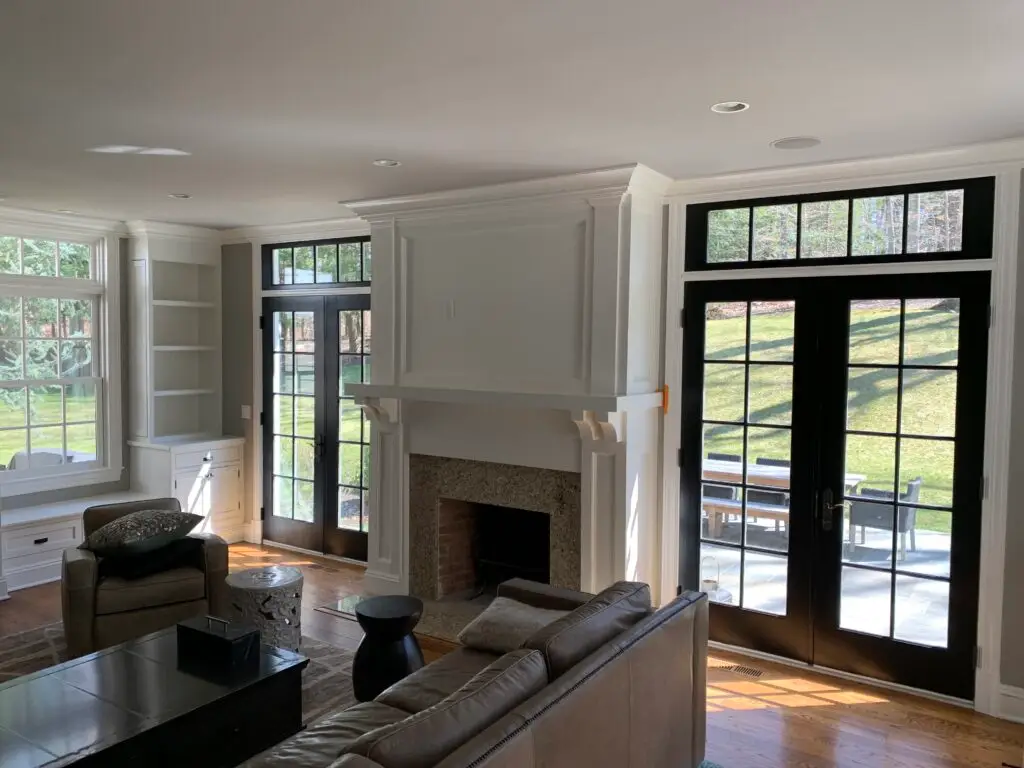
A fireplace is often the architectural focal point of a living room, but dated, patterned, or dingy tiles can make the entire space feel trapped in the past. If you are looking for a cost-effective way to modernize your hearth, painting the tile is a viable solution. However, unlike painting a standard wall or even a kitchen backsplash, a fireplace presents unique thermal challenges that require specific materials and techniques.
Quick Answer: Yes—But Heat Resistance Matters
You can absolutely paint fireplace tile, but you cannot use standard interior latex or oil-based paints. Because fireplaces generate significant heat, the tile surface expands and contracts. Standard paint is not flexible or heat-stable enough to handle these fluctuations; it will eventually blister, peel, or even release toxic fumes when the fireplace is lit. Success depends entirely on choosing products rated for high-temperature environments.
Why Fireplaces Need Special Products
The primary concern is the “Glass Transition Temperature” of the paint. Standard paints soften when heated, causing them to become tacky or scorched. Furthermore, fireplaces are prone to “soot staining.” Special thermal-rated coatings are engineered to resist carbon buildup and remain stable at temperatures ranging from 200°F to over 1000°F, depending on where they are applied.
Best Paint Options for Fireplace Tile
Heat-Resistant Paints
For the exterior surround and the hearth (the floor area in front of the fire), a high-quality “High-Heat” acrylic or specialized masonry paint is usually sufficient. These are typically rated for temperatures up to 250°F. Ensure the label specifically mentions “Heat Resistant” or “For Fireplace Surrounds.”
Epoxy vs. Specialty Coatings
While we previously discussed epoxy for floors, standard floor epoxy is generally not recommended for fireplace tiles. Epoxy can yellow or become brittle when exposed to the direct radiant heat of a fire. Instead, look for:
- DTM (Direct-To-Metal/Masonry) Coatings: Often used in industrial settings, these provide excellent adhesion and thermal stability.
- Ceramic-Based Paints: These offer the highest level of heat resistance and are often found in spray formats for a perfectly smooth finish.
Prep Steps for Fireplace Tile Painting
Cleaning Soot and Residue
Soot is greasy and acidic; no paint will stick to it.
- Vacuum: Remove loose ash and dust using a HEPA-filtered vacuum.
- Degrease: Use a strong solution of TSP (Trisodium Phosphate) and warm water. Scrub the tiles and grout lines vigorously to remove creosote and carbon deposits.
- Rinse: Wipe down the tiles multiple times with clean water to ensure no TSP residue remains, as this can interfere with paint adhesion.
Sanding and Priming
Since fireplace tiles are usually glazed and non-porous, you must create a “tooth” for the paint.
- Sanding: Use 120-grit sandpaper to scuff the surface of the tile until the shine is dulled.
- High-Adhesion Primer: Apply a bonding primer specifically rated for high temperatures. This acts as the bridge between the slick tile and the topcoat. Ensure the primer is compatible with your specific heat-resistant topcoat.
Safety & Performance Considerations
Clearances and Temperature Zones
It is critical to distinguish between the surround and the firebox.
- The Surround: The decorative face of the fireplace. Most heat-resistant paints work here.
- The Hearth: The floor area. Needs high-durability, heat-resistant paint that can also handle the weight of wood piles or fireplace tools.
Curing Time Before Use
This is the most common point of failure. Even if the paint feels dry to the touch in two hours, it is not “cured.” Most heat-resistant paints require a 7 to 14-day curing period before you light the first fire. Lighting a fire too early can cause the paint to “off-gas” or bubble, ruining the finish and potentially creating a safety hazard in your home.
FAQs
Will painted fireplace tile crack?
If you use high-heat paint and follow proper prep steps, the paint should not crack. However, if the underlying tile or grout cracks due to house settling or extreme heat, the paint layer will likely crack along with it.
Can you paint tile inside the firebox?
No. The firebox (where the actual flames are) reaches temperatures far exceeding the limits of consumer-grade fireplace paint. For the interior of the firebox, you must use specialized refractory paint or high-temperature “stove paint” rated for 1200°F+, and even then, it is generally better to leave the firebrick in its natural state or replace it.
Is replacing tile better than painting?
Replacing tile is a permanent, high-value upgrade, but it can cost thousands of dollars. Painting is a perfect “bridge” solution that can last 5–10 years and costs a fraction of a full renovation, making it ideal for homeowners on a budget or those preparing to sell.
Transform Your Hearth with Professional Results
A fresh coat of high-heat paint can turn an eyesore into a stunning modern feature. Ensure your home stays safe and beautiful by choosing the right thermal coatings and following a rigorous prep process.
Ready to give your fireplace a makeover? Contact Anderson’s Painting for a quote on professional fireplace resurfacing and high-heat coatings!