
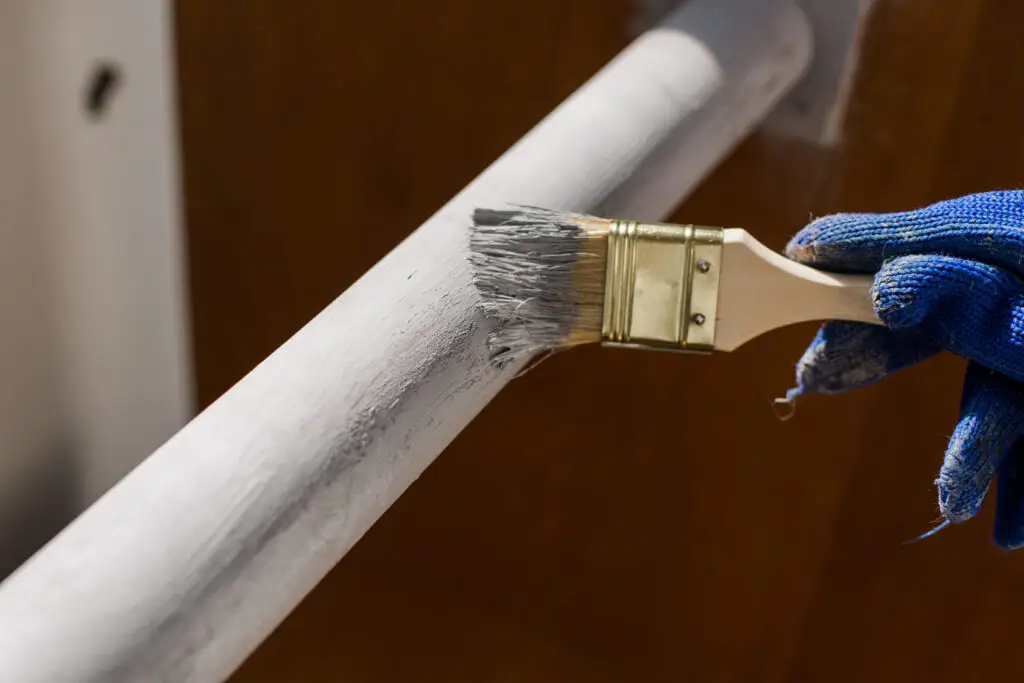
Metal handrails are essential for safety and accessibility in any residential or commercial building. However, because they are high-touch surfaces and often exposed to the elements, they require a specific approach to painting. A standard coat of wall paint will peel within weeks; for metal, the secret lies in the chemistry of the bond.
Quick Answer: Proper Prep Is What Makes Paint Last on Metal
The most common reason for paint failure on handrails is not the quality of the paint, but the lack of surface preparation. Metal surfaces are non-porous and often have a “mill scale” or oily residue from manufacturing that prevents paint from adhering. Without proper cleaning and sanding, the paint simply “sits” on top of the metal rather than bonding to it.
Why paint fails on metal without preparation
Metal expands and contracts with temperature changes. If the paint isn’t chemically bonded to the surface through a primer or proper etching (sanding), this movement causes the paint film to crack. Furthermore, any microscopic moisture trapped under the paint will immediately begin the oxidation process, leading to rust that pushes the paint off the surface from the inside out.
When Metal Handrails Should Be Painted
Deciding when to repaint is a matter of both structural integrity and property value.
Signs of rust and corrosion
If you see orange or reddish-brown spotting (oxidation), you must act immediately. Rust is a “cancer” for metal; once it starts, it will continue to eat through the railing until the structural stability of the handrail is compromised. Bubbling or flaking paint is a sign that moisture has already penetrated the coating.
Cosmetic updates vs protection
In the U.S. real estate market, curb appeal is heavily influenced by the condition of exterior ironwork. Beyond aesthetics, a fresh coat of paint serves as a sacrificial barrier. It is far cheaper to apply a $50 gallon of paint every five years than to replace a custom-fabricated wrought iron railing system costing thousands of dollars.
Best Paint Types for Metal Handrails
Not all paints are created equal when it comes to ferrous (iron-based) and non-ferrous metals.
Rust-inhibiting paints
For handrails, look for products labeled as “Direct-to-Metal” (DTM) or those containing rust-inhibitive properties. These formulas contain zinc or other minerals that chemically passivate the metal to prevent oxidation.
Oil-based vs acrylic metal paints
- Oil-Based (Alkyd): Historically the gold standard for metal. It dries to a very hard, durable finish that resists the oils from human hands. However, it has high VOCs and can become brittle over time in high-UV areas.
- Acrylic (Water-based) Metal Paints: Modern high-end acrylics are now preferred by many U.S. contractors. They stay flexible, don’t yellow, and offer excellent UV resistance for outdoor railings. They also dry much faster, allowing for multiple coats in a single day.
Indoor vs Outdoor Handrails
The environment dictates the level of protection required for the project.
Weather exposure considerations
Outdoor handrails in coastal or high-humidity regions face constant salt and moisture. These require a heavy-duty primer and a topcoat with high UV protection to prevent chalking and fading. For exterior projects, avoid painting in direct sunlight, as the metal can become hot enough to “flash dry” the paint, preventing a smooth finish.
Safety and grip concerns
When painting handrails, the finish (sheen) matters. A high-gloss finish is easiest to clean but can be slippery when wet. A semi-gloss or “satin” finish is generally recommended for the best balance of durability and grip safety, ensuring the railing remains functional for all users.
FAQs
Do metal handrails need primer?
In almost every case, yes. Even “Paint + Primer” products often struggle with bare metal. A dedicated rust-inhibitive primer creates a “bridge” between the metal and the topcoat. If you are painting over galvanized steel, you must use a specific “galvanized primer,” as the zinc coating on the steel will react with standard oil paints (a process called saponification), causing the paint to peel off in sheets.
How long does painted metal last?
A professionally prepped and painted handrail in a standard U.S. climate should last between 5 to 10 years. Interior handrails can last much longer, while exterior railings in harsh environments may need a touch-up every 3 years.
Is repainting better than replacing?
If the metal is structurally sound—meaning there are no holes rusted through and the mounting points are firm—repainting is always the better economic choice. Professional sandblasting and repainting can make a 50-year-old railing look brand new for a fraction of the cost of new fabrication.
Is your metalwork looking weathered or showing signs of rust? Protect your investment today. Contact Anderson’s Painting for a professional metal restoration quote!