
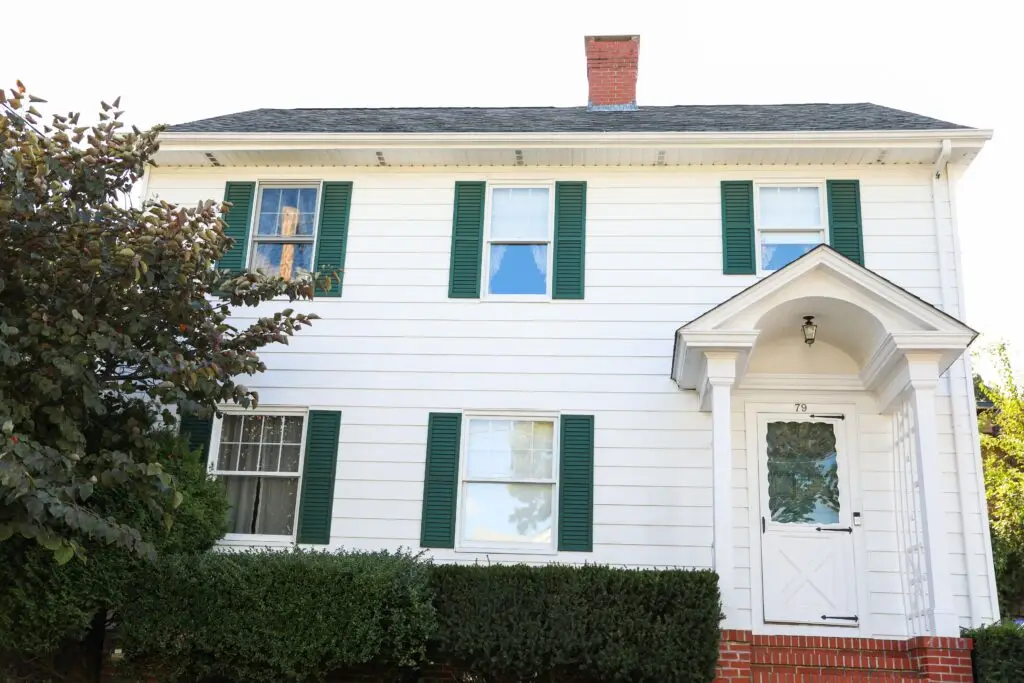
Every homeowner wants their house to look as vibrant in year seven as it did on day one. While no exterior paint is 100% “fade-proof” due to the laws of chemistry and physics, modern advancements in coating technology have made it possible to significantly slow the process. Choosing a high-performance system is the difference between a home that stays beautiful and one that looks “chalky” and washed out in just a few seasons.
Quick Answer: Premium UV-Resistant Paint Lasts Much Longer
While the term “fade-proof” is often used in marketing, in the professional painting industry, we refer to fade resistance and color retention. Premium paints use high-quality resins and inorganic pigments that reflect UV radiation rather than absorbing it. A top-tier exterior paint can maintain its original hue for 8 to 10 years, whereas a budget-grade paint may show significant fading in as little as three years.
What “fade-proof” really means
In a laboratory setting, “fade-proof” refers to a coating’s ability to resist “photo-oxidation.” This is the process where UV light breaks the chemical bonds of the paint’s binder. A truly fade-resistant paint has a stable molecular structure that keeps the pigment locked in place even under intense solar stress.
Why some paints keep color better than others
The secret lies in the pigment volume concentration (PVC) and the quality of the colorants. Professional-grade paints, such as those using Benjamin Moore’s Gennex® Color Technology, eliminate the oily chemicals that traditional tinting systems use. These chemicals often weaken the paint film and accelerate fading; removing them ensures a stronger, more vibrant finish.
What Causes Exterior Paint to Fade?
- UV Rays: Ultraviolet radiation acts like a slow-motion bleach, breaking down the chemical components of the paint.
- Salt Air and Weather: In coastal areas, salt crystals can act as tiny magnifying glasses, intensifying the sun’s heat on the surface of the siding.
- Lower-Quality Pigments and Binders: Cheap paints use organic pigments (derived from living things) which are naturally less stable than inorganic, mineral-based pigments.
What to Look For in Fade-Resistant Exterior Paint
When reviewing paint specifications with your contractor, look for these indicators of longevity:
- High-End Acrylic Resin Systems: 100% acrylic latex is the gold standard for flexibility and UV shield.
- Better Pigment Retention: Ensure the product is rated for “High UV Exposure.”
- Moisture and Mildew Resistance: A paint that stays clean resists the buildup of organic matter that can trap heat and accelerate fading.
Which Exterior Colors Fade the Fastest?
If longevity is your primary concern, be cautious with these color families:
- Dark Reds and Bright Blues: These colors typically rely on organic pigments that are highly reactive to UV light.
- Intense, Highly Saturated Colors: Deep hunter greens and vibrant yellows absorb a massive amount of thermal energy, which stresses the paint film.
- Sun-Exposed Accent Colors: Front doors and shutters in dark, bold colors often show fading first because they catch the most direct afternoon sun.
Colors That Tend to Hold Up Better Outdoors
- Whites and Soft Neutrals: These reflect the most light and contain very little pigment that can be “bleached” out.
- Muted Grays and Blue-Grays: Because these colors already have a “dusty” or gray undertone, subtle fading is virtually invisible to the naked eye.
- Balanced Earth Tones: Tans, beiges, and soft ochres use mineral pigments (like iron oxide) that are naturally extremely stable.
How to Extend the Life of Exterior Paint
- Proper Prep and Primer: A high-quality primer ensures the paint bonds deeply. If the paint is just “sitting” on the surface, it is more susceptible to environmental degradation.
- Washing Surfaces Before Repainting: You must remove the “chalky” residue from the previous paint job. New paint applied over old, faded chalk will peel and fade prematurely.
- Choosing the Right Product and Sheen: Satin and Low-Lustre sheens generally offer better UV protection than flat finishes because they have a higher resin-to-pigment ratio.
FAQ: Fade-Resistant Exterior Paint
Is there really such a thing as fade-proof exterior paint?
Strictly speaking, no. All materials degrade over time. However, premium “High-UV” paints are as close to fade-proof as current technology allows.
What color exterior paint fades the least?
White and light beige. These colors reflect UV rays rather than absorbing them, preserving the integrity of the paint film for the longest period.
What paint resists UV best?
100% acrylic latex paints with specialized waterborne colorants (like Sherwin-Williams Emerald or Benjamin Moore Aura).
Looking for Long-Lasting Exterior Painting Results?
Don’t settle for a paint job that looks dull by next summer. At Anderson’s Painting, we understand the science of color retention and the specific demands of the local climate. We help you choose the right colors and the highest-grade products to ensure your home stays vibrant for years.
- Expert Color Consulting: We’ll guide you toward palettes that offer the best long-term performance.
- Premium Coating Systems: We only use the industry’s most advanced UV-resistant paints.
- Unmatched Surface Prep: Our thorough cleaning and priming process guarantees a lasting bond.
Contact Anderson’s Painting today for a free exterior painting estimate and invest in a finish that lasts!