
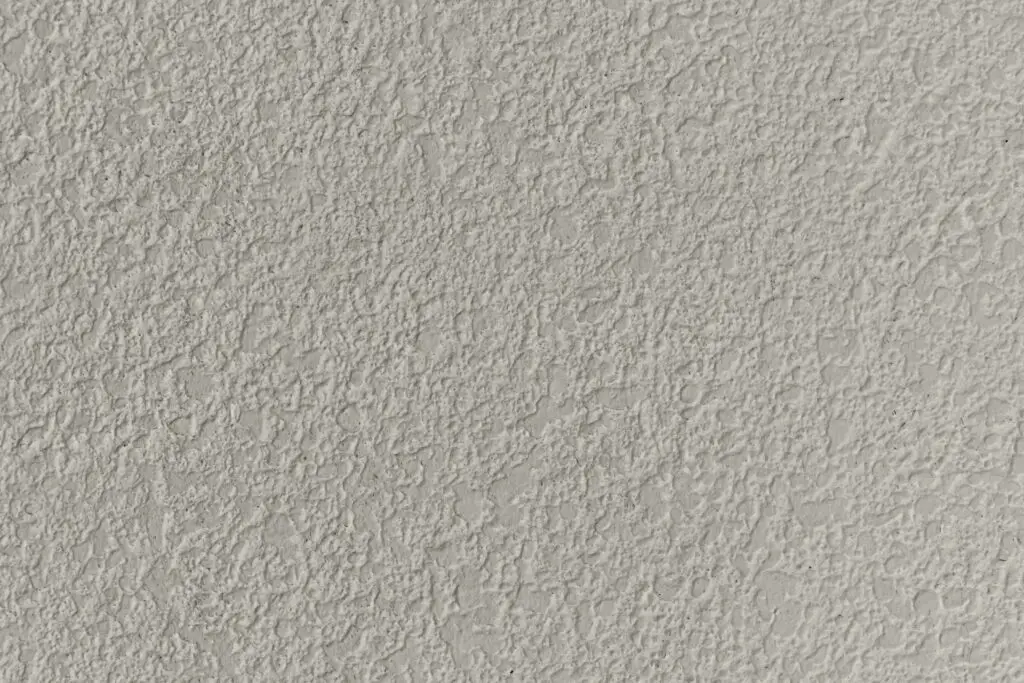
When it comes to interior walls, texture is more than just a stylistic choice—it is a functional tool. Among the various techniques used to finish drywall, Orange Peel remains one of the most popular choices across residential construction in the U.S. It offers a balance between the affordability of texture and a refined, subtle look that complements almost any decor style.
What Is Orange Peel Drywall Texture?
Orange Peel is a sprayed-on drywall finish that mimics the slightly bumpy, irregular surface of an orange’s skin.
- Light vs. Heavy: You can control the density of the “peel.” Light orange peel is subtle and nearly smooth, providing just enough texture to diffuse light. Heavy orange peel is more pronounced and is exceptionally effective at masking minor wall defects.
- How it gets its name: Unlike the jagged “popcorn” ceilings of the past, orange peel is characterized by rounded, muted bumps that look like the microscopic craters found on citrus skin.
Where Orange Peel Texture Is Commonly Used
Because of its versatility, orange peel has become the standard finish for many residential projects:
- Walls: It provides a clean, neutral background that isn’t as stark as smooth drywall but isn’t as distracting as heavier textures.
- Ceilings: It is a favorite for ceilings where you want to hide seams without the “dated” look of acoustic popcorn.
- Residential Remodels: It is the “go-to” for contractors repairing homes because it is cost-effective and blends well with existing, older finishes.
Pros and Cons of Orange Peel Texture
| Pros | Cons |
| Hides Imperfections: Perfect for masking small dings and drywall tape seams. | Harder to Match: If you repair a patch, getting the exact “peel” density can be tricky. |
| Subtle Depth: Adds enough texture to prevent walls from looking flat or “dead.” | Not Modernist: Lacks the ultra-clean, architectural aesthetic of smooth walls. |
| Budget-Friendly: Faster to apply than a Level 5 smooth finish. | Dust Collection: Slightly more prone to dust buildup than perfectly smooth surfaces. |
Orange Peel vs. Knockdown Texture
- Visual Difference: Orange peel is a fine, uniform mist. Knockdown is applied heavier and then “knocked down” with a wide blade, creating flattened, irregular patterns.
- Repair: Orange peel is generally easier to spot-repair with a spray can; knockdown requires a more skilled hand to mimic the flattened shape of the texture.
- Best Rooms: Orange peel works throughout the house; knockdown is often favored in high-ceiling rooms or areas where you want a more dramatic, rustic feel.
Can Orange Peel Texture Be Painted?
Painting orange peel is straightforward, but it requires the right approach to handle the texture’s surface area.
- Primer: Always use a high-quality PVA primer. Texture is porous and can “suck” paint, leading to uneven drying.
- Roller Nap: Use a 1/2-inch to 3/4-inch nap roller. The extra nap length is essential to ensure the paint reaches into the “valleys” of the texture without you having to over-work the roller.
- Finish Choices: A matte or eggshell finish is ideal. High-gloss finishes are generally avoided on orange peel because they highlight the bumps and can create a distracting glare.
Repairing and Matching Orange Peel Texture
Small repairs can be managed with professional-grade texture spray cans, which are designed to mimic the spray pattern of a commercial hopper. However, for large wall repairs, matching the existing “peel” of a 10-year-old wall is a true art form. If you are dealing with a large patch in a high-visibility area, hiring a professional painter is highly recommended to ensure the blend is invisible.
FAQ
Is orange peel texture outdated?
Not at all. While “smooth” is the high-end trend, orange peel remains a timeless, practical standard for residential homes because of its ability to bridge the gap between beauty and durability.
Can you paint over orange peel drywall?
Yes, it is very common. Just ensure you use a thick-nap roller to cover the texture properly.
How do you match orange peel texture?
Use a texture hopper with adjustable air pressure to experiment with the droplet size before applying it to the wall. For DIYers, spray cans are excellent for small spots.
Is orange peel better than smooth drywall?
“Better” depends on your goals. Orange peel is better for high-traffic areas and budgets, while smooth is better for high-end, modern architectural aesthetics.
What roller is best for orange peel walls?
A 1/2-inch to 3/4-inch nap roller is necessary. A standard 3/8-inch nap will often miss the small depressions in the texture, leaving you with spots that don’t get fully painted.
Is your home in need of a professional touch?
Texture and paint are the final layers that make a house feel like a home. At Anderson’s Painting, we understand the nuances of various wall finishes—from standard orange peel to luxury smooth finishes.
Click here to get a professional estimate and let us handle your next interior painting project!