
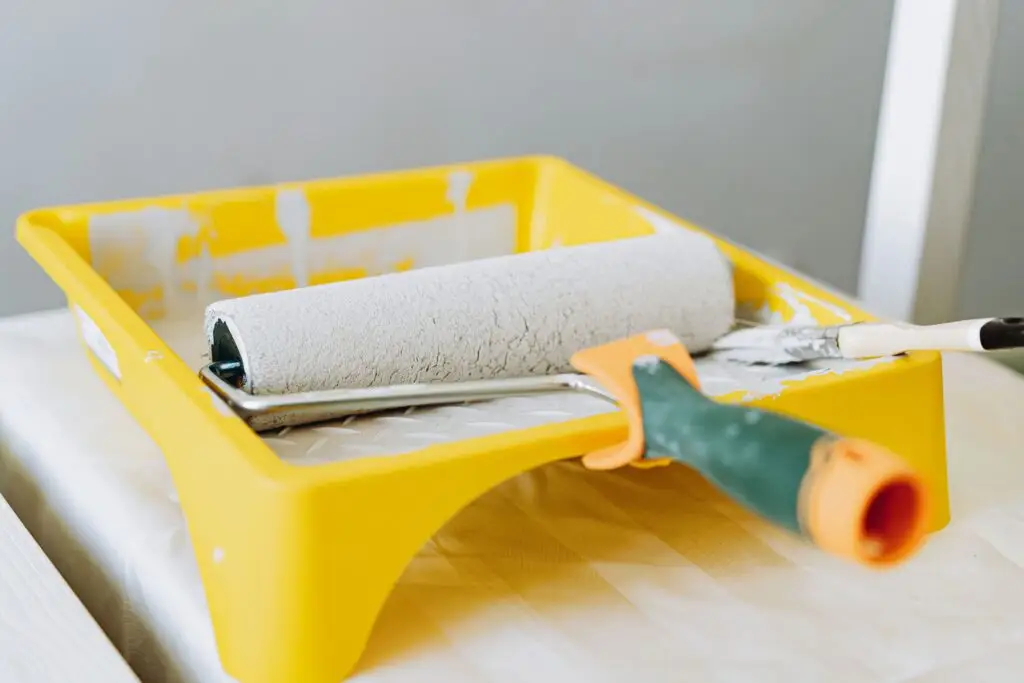
Think all paint rollers are created equal? Think again. The difference between a “home-painted” look and a professional, streak-free finish often comes down to one simple tool. Using the wrong roller nap or material can cause uneven coverage, excessive texture, or—even worse—lint left behind on your freshly painted walls.
At Anderson’s Painting, we treat rollers like the precision instruments they are. Here is how to pick the right one for your home.
What Is the Best Paint Roller for Interior Walls?
To choose the right roller, you must look at three key variables:
- Nap Size: The “nap” is the thickness of the roller’s fabric. A shorter nap (1/4″) is for smooth surfaces, while a longer nap (3/4″ or more) is for textured surfaces.
- Roller Material: Woven covers are durable and hold more paint; microfiber covers provide the smoothest possible finish; and foam covers are strictly for thin, glossier paints or touch-ups.
- Roller Width: A 9-inch roller is the standard for most walls. 4-inch “mini-rollers” are essential for corners and tight spaces around trim.
Best Roller Nap by Wall Texture
Selecting the wrong nap will leave you frustrated. If your nap is too short, you’ll never fill the texture valleys; if it’s too long, you’ll create an uneven, ugly stipple effect.
- Smooth Drywall: Use a 1/4-inch nap. It leaves a minimal footprint, keeping the wall looking sleek.
- Light Texture: A 3/8-inch nap is the industry standard for most interior walls in the U.S.
- Orange Peel Texture: Move up to a 1/2-inch nap to ensure the paint reaches deep into those tiny craters.
- Knockdown Texture: Use a 3/4-inch nap. Because knockdown is deeper, you need the extra plushness to drive paint into the irregular surface.
Foam vs. Woven vs. Microfiber Rollers
- Microfiber: The current pro favorite. It holds a massive amount of paint and creates a nearly spray-like, ultra-smooth finish. Perfect for eggshell and satin paints.
- Woven: The classic choice. Extremely durable, handles heavy-duty work, and is less likely to “shed” fibers.
- Foam: Use these only for high-gloss trim paint or furniture. They don’t hold much paint and are not suitable for large wall areas.
How to Avoid Roller Marks
Roller marks (or “tramlines”) are usually caused by uneven paint distribution or technique.
- Proper Loading: Never dip a dry roller directly into the can. Charge the roller in the tray until it’s fully saturated, then roll it up the tray’s ramp to remove excess paint.
- Wet Edge Technique: Always work from a “wet edge.” If you let the paint dry before overlapping with your next stroke, you will create a permanent line (the “lap mark”).
- Consistent Pressure: Don’t press down hard. Let the roller do the work. Pressing too hard actually forces paint out of the nap and creates uneven ridges on the wall.
Best Roller for Primer and Paint
- New Drywall Primer: Use a 3/4-inch nap. New drywall is thirsty; you need a roller that can hold a high volume of primer to seal the surface properly.
- Latex Wall Paint: A 3/8-inch microfiber roller is the sweet spot for 90% of interior walls.
- Eggshell and Satin Finishes: Use high-quality microfiber. These sheens highlight texture, so the smoother your roller, the better the finish.
When Professional Painters Use Specialty Rollers
We don’t just use standard 9-inchers. We keep a arsenal for specific jobs:
- High Ceilings: We use extendable 18-inch rollers to reduce the number of passes and prevent lap marks.
- Textured Walls: We use high-nap rollers to ensure uniform coverage in deep valleys.
- Large Rooms: Wide 18-inch frames significantly increase efficiency and consistency, preventing the paint from drying before we can blend the edges.
FAQ
What roller nap is best for interior walls?
For standard, lightly textured drywall, a 3/8-inch nap is the perfect all-around choice.
Is a 3/8 or 1/2 nap better for walls?
Use 3/8-inch for smooth or lightly textured walls. Move up to 1/2-inch if you have orange peel or heavier wall textures.
How do you avoid roller marks?
Keep a “wet edge,” use a high-quality microfiber roller cover, and don’t over-press the roller against the wall.
What roller gives the smoothest finish?
A high-quality microfiber roller. It minimizes the “stipple” texture that cheap woven rollers often leave behind.
Can you use the same roller for primer and paint?
No. Always use a dedicated roller for primer, then switch to a fresh one for your topcoat. Using a primer-soaked roller for paint will contaminate your color and affect the sheen.
Get the professional look your home deserves. Choosing the right roller is step one, but knowing how to apply the paint is the professional edge. At Anderson’s Painting, we know exactly which tools—and which techniques—will give your home a flawless finish.
Contact us today to schedule your painting project!