
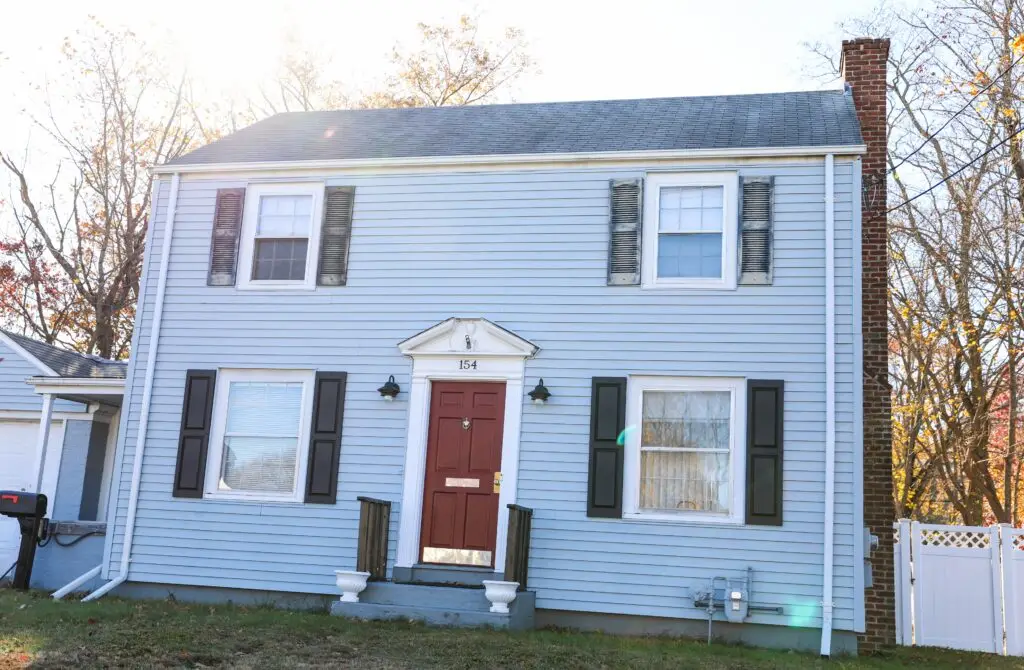
Your home’s exterior paint is its first line of defense against the elements. While high-quality paint is designed for durability, it isn’t permanent. Knowing how long your specific siding material should hold its finish can help you plan your maintenance budget and protect your home’s structural integrity.
At Anderson’s Painting, we understand that longevity isn’t just about the paint in the can—it’s about the surface beneath it.
Average Lifespan of Exterior House Paint
The material of your siding is the biggest predictor of how often you will need to pick up a brush:
- Wood Siding: 3–7 years. Wood is organic and prone to expanding/contracting, which can crack the paint film over time.
- Fiber Cement: 10–15 years. This is a very durable substrate, but it requires high-quality acrylic coatings to maintain its protection.
- Stucco: 5–10 years. Stucco is porous and tends to absorb moisture, which can eventually lead to cracking or “chalking.”
- Brick and Masonry: 15–20 years. Once painted, brick requires periodic care to ensure the coating remains breathable.
- Vinyl Siding: 10+ years. Vinyl can be painted, but it requires specific heat-reflective paints to avoid warping the siding panels.
What Affects Exterior Paint Longevity?
Even the most expensive paint will fail early if the conditions aren’t right.
- Climate: Intense weather cycles—like the freeze-thaw cycles of the Northeast—put massive stress on paint bonds.
- Sun Exposure: UV radiation breaks down the resins in paint, leading to fading and brittleness. South-facing walls will always fade faster than north-facing ones.
- Moisture: Standing water, poor drainage, or humidity trapped behind siding are the leading causes of premature peeling.
- Surface Prep: This is the most critical factor. Paint applied over dust, grease, or peeling layers will fail within two seasons, regardless of paint quality.
- Paint Quality: We always recommend 100% acrylic exterior paints. They offer superior elasticity, which allows the paint to expand and contract with your home’s structure.
Signs Your Exterior Paint Is Failing
Don’t wait for total failure. Watch for these early warning signs:
- Peeling: Often a sign that moisture is trapped behind the paint, pushing it off the surface.
- Cracking (Alligatoring): The paint film becomes brittle and breaks into small patterns, often due to applying paint over an incompatible primer or improper drying times.
- Fading: While some fading is natural, significant loss of color intensity is a sign the paint is losing its UV protection.
- Chalking: A white, powdery residue on the surface; this is the paint resin breaking down due to sun exposure.
- Mildew/Stains: Dark, fuzzy patches indicate moisture or lack of ventilation.
Best Time to Repaint a Home Exterior
In the U.S., timing is everything.
- Seasonal Timing: Late spring through early autumn is ideal.
- Weather Conditions: Temperatures should be consistently above 50°F (10°C) and below 85°F (30°C). Avoid painting in high humidity or if rain is in the immediate forecast.
- Climate Considerations: In cooler regions, you must ensure the surface is fully dry and the temperature is not dropping too rapidly in the evening to prevent “dew damage” to the fresh coat.
How to Make Exterior Paint Last Longer
- Power Washing: An annual wash removes the dirt, salt, and mildew that eat away at your paint.
- Caulking: Inspect your window and door frames annually. If the caulk is cracked, water will get behind your siding.
- Priming: Never skip the primer on bare spots. It’s the “glue” that binds the paint to the house.
- Regular Maintenance: Touching up a small area today prevents a major renovation tomorrow.
When to Hire Professional Exterior Painters
Exterior painting is labor-intensive and safety-critical. You should hire a pro if:
- Multi-story homes: Climbing extension ladders is hazardous work.
- Damaged Siding: If you have rot or decay, a simple paint job won’t fix it; you need a professional to handle the carpentry repairs first.
- Complex Prep: If your home requires lead paint remediation, extensive scraping, or power sanding, it is a job for experienced professionals with the right containment equipment.
FAQ
How often should a house exterior be painted?
On average, every 5–10 years depending on the material and exposure.
What exterior paint lasts the longest?
100% acrylic latex paint is widely considered the most durable and long-lasting choice for home exteriors.
Does exterior paint last longer with primer?
Absolutely. Primer ensures adhesion and blocks stains, providing a uniform foundation that the topcoat can “bite” into.
How do you know when exterior paint needs replacing?
When you see peeling, alligatoring, or bare wood/siding exposed, the paint is no longer protecting your home and needs immediate attention.
How long does exterior paint last in cold climates?
In cold regions with heavy winter shifts, you can expect a shorter lifespan (4–6 years for wood) due to the thermal shock the paint undergoes each year.
Is your home’s exterior ready for a refresh? Protecting your home is an investment in its value and longevity. At Anderson’s Painting, we provide expert surface preparation and premium finishes designed to withstand the toughest weather.
Contact Anderson’s Painting today for a professional exterior inspection and estimate!