
Quick Answer: What Should You Choose Before Painting?
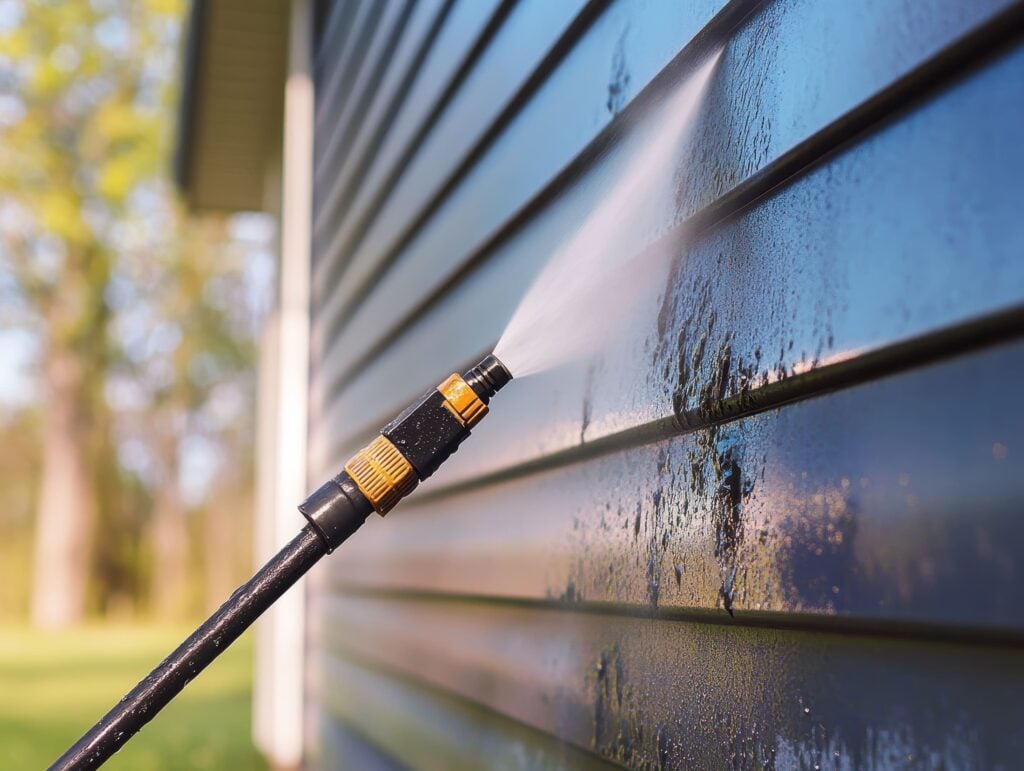
The most effective way to clean your home’s exterior before painting is to use soft washing for delicate or historic surfaces (like wood siding and trim) and controlled power washing for tough, durable substrates (like concrete, brick, or sturdy fiber cement). Choosing the correct cleaning method removes stubborn dirt, mildew, and chalking residue without gouging your siding or forcing unwanted moisture deep into the walls.
Why Exterior Surfaces Must Be Clean Before Paint
Applying fresh exterior paint over a dirty surface is the number one cause of premature paint blistering and peeling. Surface cleaning is non-negotiable for four key reasons:
Dirt and grime
Accumulated dust, air pollution, and soot form an invisible barrier that prevents paint polymers from gripping the substrate.
Mildew
Fungi and mold spores left behind on siding will continue to grow right through your new paint film if they are not chemically killed and washed away.
Chalking paint
Degraded old paint leaves a powdery chalk residue that acts like loose sand, preventing new coats from forming a secure chemical bond.
Salt and moisture buildup
In coastal regions or areas prone to winter road salt, residual minerals must be completely washed off to prevent corrosion and paint bubbling.
What Is Power Washing?
Power washing utilizes pressurized water (often ranging from 1,500 to 3,000+ PSI) to blast away stubborn stains, mud, and loose paint flakes from hard surfaces.
Best uses
Best suited for concrete driveways, brick facades, stone pathways, and durable metal or fiber-cement siding.
Risks on delicate siding
High-pressure streams can easily gouge soft wood, splinter cedar siding, shatter window seals, and force water behind vinyl panels, leading to trapped moisture and indoor mold.
What Is Soft Washing?
Soft washing combines eco-friendly cleaning detergents, biocides, and surfactants with low-pressure water (similar to a garden hose) to safely dissolve organic growth, dirt, and mold.
Best uses
Ideal for washing painted wood siding, historic clapboard, stucco, vinyl panels, and roofs.
When low pressure is safer
Soft washing allows the cleaning solution to do the heavy lifting, killing mildew at the root without relying on brute mechanical force that damages delicate siding.
Which Method Is Better by Surface?
Vinyl siding
- Winner: Soft Wash / Low-Pressure Rinse. Prevents panels from unlatching or water from pushing behind the walls.
Wood siding
- Winner: Soft Wash. High pressure tears wood fibers and forces moisture deep into the grain, whereas soft washing cleans safely.
Decks and masonry
- Winner: Power Wash (with controlled PSI). Effectively strips weathered gray wood fibers on tough hardwoods or cleans stained concrete before sealing.
Trim and windows
- Winner: Soft Wash. Protects delicate caulk lines, glass seals, and wooden architectural details.
How Long to Wait Before Painting
Regardless of whether you use power washing or soft washing, your exterior must dry completely before any primer or paint is applied. Trapping moisture under a fresh coat of paint guarantees blistering. Depending on New England weather, humidity, and direct sunlight, siding typically requires 48 to 72 hours of clear, dry weather to dry out completely before painting.
Comparison Table: Pressure, Safety, Surface Type, and Prep Value
| Feature | Power Washing | Soft Washing |
| Water Pressure | High (1,500 to 3,000+ PSI) | Low (equivalent to a garden hose) |
| Cleaning Mechanism | Mechanical water force | Chemical detergents + low-pressure rinse |
| Best Surface Types | Concrete, brick, masonry, metal | Wood siding, vinyl, stucco, trim |
| Risk of Damage | Moderate to High on soft materials | Minimal when using proper solutions |
| Prep Value | Excellent for hard, durable substrates | Essential for delicate, paint-ready exteriors |
FAQ
Should you power wash before painting?
Yes, but the pressure must match the surface. Hard masonry benefits from high pressure, while delicate wood and siding require low-pressure soft washing to avoid damage.
Is soft washing safe for siding?
Yes! Soft washing is specifically designed to clean vinyl, wood, and stucco siding safely without gouging the material or forcing water behind walls.
How long after washing can you paint?
Siding typically needs 48 to 72 hours of dry weather after washing before it is safe to apply exterior primer or paint.
Can power washing damage wood siding?
Yes. Using high water pressure on wood siding can splinter the fibers, raise the grain, and force moisture deep into the boards, causing future rotting and paint failure.
Do professional painters clean surfaces before painting?
Yes. Professional painters always incorporate washing—whether soft wash or power wash—as a mandatory first step in any exterior prep checklist.
To ensure your home gets the preparation it deserves, explore our helpful guides on Power Washing Before Painting, review our Exterior Paint Prep Checklist, and explore our Power Washing service page. For complete project details, visit our Exterior Painting section.
Schedule Exterior Prep and Painting
Ready to give your home a thorough, paint-ready clean without risking damage to your siding? Request a professional painting estimate from Anderson’s Painting today and let our experts handle the washing, prep, and flawless exterior finish.