
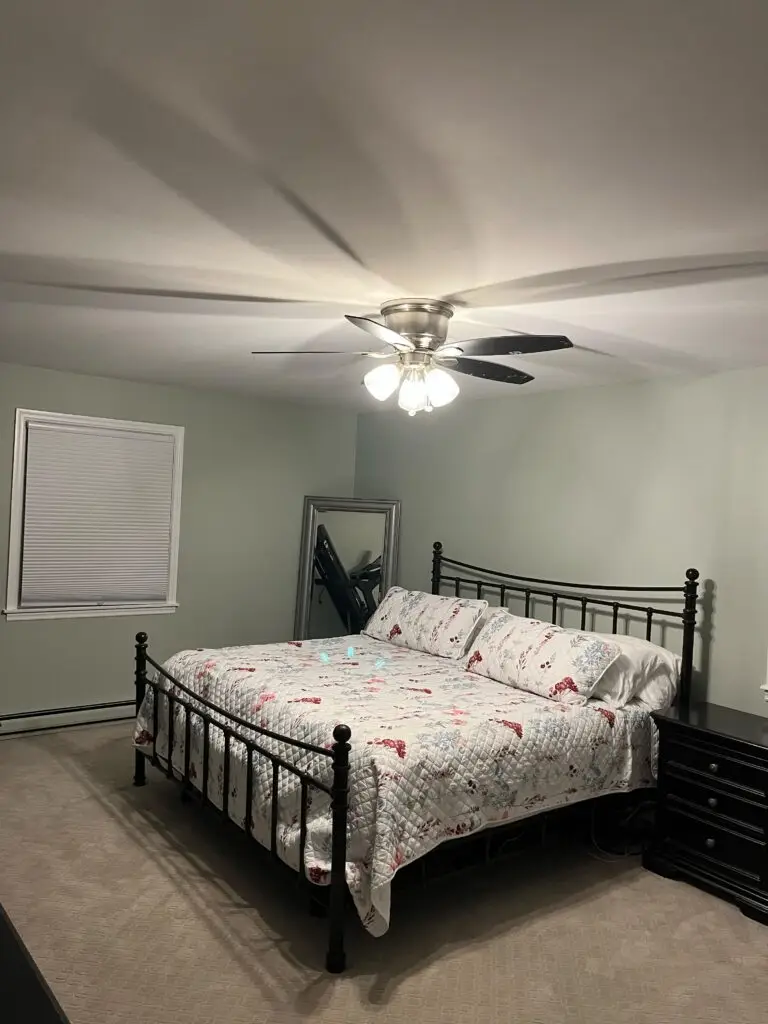
Your bedroom should be a sanctuary—a peaceful haven where you can unwind, recharge, and escape the day’s stresses. The color on your walls plays a pivotal role in setting this mood. Choosing the right paint color can transform your space into a truly relaxing retreat, influencing everything from your sleep quality to your overall sense of well-being. This guide will explore popular and effective color palettes to help you create the serene bedroom you’ve always dreamed of.
Trending colors for bedrooms in 2025
While classic calming colors always remain in style for bedrooms, 2025 sees a subtle shift towards hues that blend warmth, nature, and understated elegance. Here are some trending colors perfect for a modern, tranquil bedroom:
- Muted Sage Green: This earthy, desaturated green brings the calming essence of nature indoors without being overpowering. It pairs beautifully with natural wood tones and soft textures, promoting a sense of peace and growth.
- Dusty Blue: A softer, more sophisticated take on traditional blue, dusty blue offers a calming presence that evokes clear skies and tranquility. It’s less intense than a bold navy and more complex than a baby blue, providing a refined backdrop.
- Warm Terracotta or Muted Clay: Moving slightly away from cool tones, these warm, grounded shades offer a comforting and inviting atmosphere. They can add a touch of rustic charm or bohemian chic, especially when balanced with crisp whites and natural fibers.
- Soft Lavender Gray: A delicate blend of cool gray and a hint of purple, soft lavender gray is surprisingly soothing and adds a touch of sophistication. It feels airy and dreamy, perfect for creating a truly unique and calming space.
Soothing neutrals: Beige, greige, and soft gray
Neutral colors are perennial favorites for bedrooms, and for good reason. They create a clean, versatile backdrop that promotes calmness and allows other design elements to shine.
- Beige: A classic warm neutral, beige provides a cozy and inviting feel. It’s incredibly versatile, pairing well with almost any accent color and furniture style. Look for shades with subtle undertones (e.g., sandy, oat, linen) to avoid it feeling flat.
- Greige: The perfect marriage of gray and beige, greige offers the warmth of beige with the sophistication of gray. Its balanced nature makes it a fantastic choice for bedrooms, adapting to both warm and cool-toned decor elements. It creates a modern yet welcoming atmosphere.
- Soft Gray: Light, airy grays can be incredibly soothing and modern. They create a minimalist and tranquil environment, especially when paired with white trim and natural light. Be mindful of undertones; opt for grays with warm (beige/yellow) or cool (blue/green) undertones depending on your desired effect and existing decor to prevent the room from feeling cold.
Calming cool tones: Blues, greens, and pastels
Cool tones are naturally associated with serenity and relaxation, making them ideal choices for a peaceful bedroom.
- Blues: From light sky blues to deeper ocean hues, blue is universally recognized for its calming effect.
- Light Blue: Evokes clear skies and open water, promoting tranquility and a sense of expansiveness.
- Muted Blue-Gray: A more sophisticated option that feels serene and pairs well with both modern and traditional decor.
- Greens: Reflecting nature, greens bring a refreshing and harmonious feel to a bedroom.
- Soft Mint or Seafoam Green: Light and airy, these greens are refreshing and promote a sense of calm and rejuvenation.
- Sage or Olive Green: Deeper, more sophisticated greens that connect the room to nature and offer a grounding, tranquil vibe.
- Pastels: Soft, desaturated versions of any color can be incredibly calming.
- Pale Pink or Blushed Peach: When used subtly, these can add warmth and softness without being overtly feminine, creating a gentle and inviting space.
- Light Lavender: A very light purple with gray undertones can be dreamy and mystical, promoting relaxation.
Accent walls vs Full room colors
Deciding between painting all walls or just one can significantly alter the feel of your bedroom.
- Accent Walls:
- Pros: An accent wall (often the wall behind the bed) can add depth, visual interest, and a focal point without overwhelming the room with a bold color. It’s a great way to introduce a darker or more vibrant shade while keeping the rest of the room light and airy. It can also define a space within a larger room.
- Cons: If chosen poorly, an accent wall can make a room feel unbalanced or chopped up. The color needs to complement the other wall colors and overall decor.
- Full Room Colors:
- Pros: Painting all walls in a cohesive color creates an enveloping and immersive experience. This is particularly effective for achieving a truly relaxing retreat, as the consistent color can make the room feel larger and more serene. It provides a seamless backdrop for furniture and art.
- Cons: A strong or very dark color on all walls can make a small room feel even smaller or enclosed. It requires more commitment to the chosen shade.
For maximum relaxation, a full room painted in a soothing neutral or a calming cool tone is often preferred. An accent wall can work well if you want to introduce a slightly bolder version of a calming color or a complementary shade.
Tips to match colors with lighting and furniture
To ensure your chosen paint color truly shines, consider how it interacts with the room’s lighting and existing furniture.
- Natural Lighting:
- North-Facing Rooms: Tend to have cooler, softer light. Warm paint colors (beiges, soft yellows, warm grays) can help counteract this and make the room feel cozier.
- South-Facing Rooms: Receive bright, warm light throughout the day. Almost any color works here, but cooler tones (blues, greens, cool grays) can feel especially refreshing and balance the natural warmth.
- East-Facing Rooms: Get warm morning light and cooler light in the afternoon. Lighter, brighter colors can maximize the morning glow.
- West-Facing Rooms: Receive warm, intense afternoon and evening light. Cool tones can help balance the strong evening sun.
- Artificial Lighting:
- Warm White Bulbs (2700K-3000K): Enhance warm paint colors (reds, yellows, oranges, warm grays) and make cool colors appear softer.
- Cool White/Daylight Bulbs (3500K-5000K): Brighten cool colors (blues, greens, cool grays) and can make warm colors appear duller or less vibrant.
- Test Paint Swatches: Always paint large swatches on your walls and observe them at different times of day and under various artificial lights before making a final decision.
- Furniture and Existing Decor:
- Undertones: Consider the undertones of your furniture, flooring, and textiles. If your wooden furniture has a reddish undertone, a green or blue-gray wall color might complement it beautifully. If your sofa is a cool gray, a warm greige wall could add inviting contrast.
- Contrast vs. Harmony: Decide if you want the walls to create a gentle, harmonious blend with your furniture or a subtle, pleasing contrast.
- Inspiration: Look for inspiration from your favorite fabrics, artwork, or rugs within the bedroom. These items often contain a palette you can draw from for wall colors.
Ready to transform your bedroom into the peaceful sanctuary you deserve? Contact Anderson’s Painting today for a personalized color consultation and professional painting services. Let us help you find the perfect shade to create your ultimate relaxing retreat!