
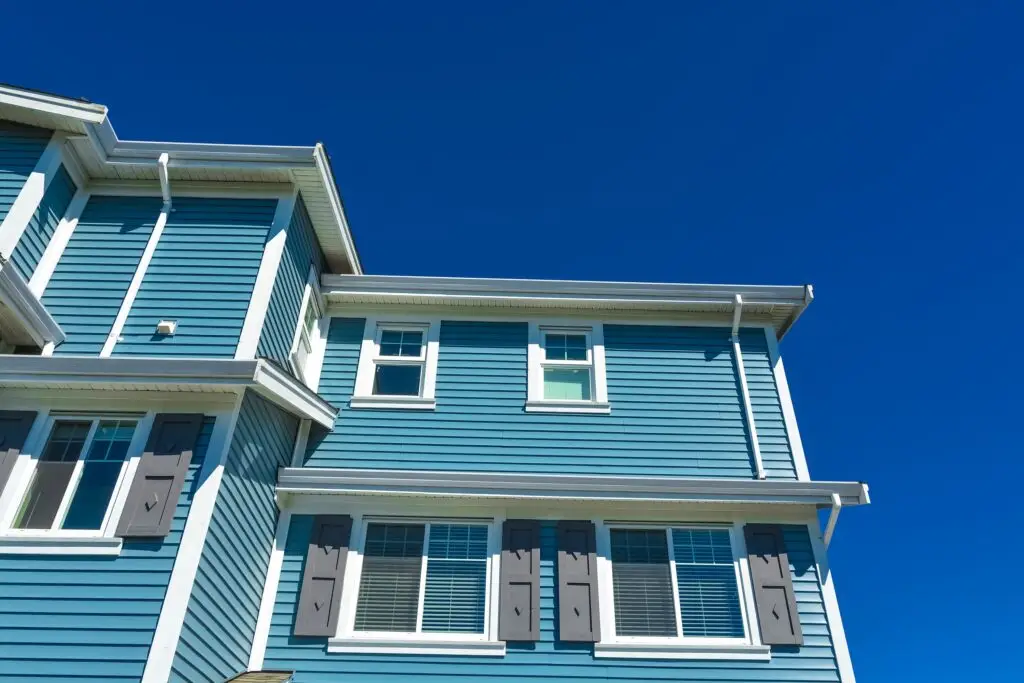
Selecting a color for a shoreline property requires a balance of timeless style and environmental science. The goal is to create a look that feels “at home” against a backdrop of water and sky while choosing pigments that won’t wash out or fade under the relentless coastal sun.
Quick Answer: Soft White, Blue, Gray, and Sandy Neutrals
The most successful coastal palettes draw directly from the landscape. Soft whites, misty blues, weathered grays, and sandy beiges are the gold standard. these colors not only evoke a sense of relaxation but are also functionally superior at reflecting heat and hiding the “salt crust” that can accumulate on exterior surfaces.
Why coastal palettes stay timeless
Coastal style relies on organic inspiration. Because these colors mimic the sky, the sea, and the shore, they never feel “trendy” or dated. A soft light blue or a crisp white home looks as appropriate today as it did fifty years ago, preserving the long-term resale value of the property.
How light affects exterior coastal colors
Light near the water is significantly brighter and “cooler” (more blue) than inland light. A color that looks like a warm beige in a showroom may look like a stark, cold gray once applied to a seaside exterior. Always test large swatches on different sides of the house to see how the morning and afternoon sun transform the hue.
What Makes a Paint Color Feel Coastal?
- Soft, airy undertones: Coastal colors usually have a touch of gray or “dustiness” to them. This prevents them from looking like neon or primary colors under the bright sun.
- Natural and weathered inspiration: Think of the colors of a piece of driftwood, a smoothed sea glass shard, or a dried oyster shell.
- Bright but not harsh finishes: The goal is a “luminous” quality that captures the light without causing a blinding glare for the neighbors.
Best Coastal Paint Colors for Home Exteriors
1. Crisp Coastal White
White is the ultimate beach house color. It reflects the most UV radiation, keeping the home cooler and protecting the siding. Look for “Off-Whites” with a hint of warmth to prevent the house from looking sterile.
- Popular Choice: Benjamin Moore White Heron or Sherwin-Williams Alabaster.
2. Soft Gray-Blue
This is the quintessential “coastal” hue. It mimics the Atlantic on a misty morning. It provides enough color to stand out against white trim without being overwhelming.
- Popular Choice: Benjamin Moore Wythe Blue or Sherwin-Williams Sea Salt.
3. Sandy Beige and Driftwood Tones
These “greige” tones are incredibly practical. They hide dust and salt spray better than any other color and blend seamlessly with dune grass and stone accents.
- Popular Choice: Sherwin-Williams Accessible Beige.
4. Muted Navy Accents
While a full navy house can be stunning, it absorbs a lot of heat. Navy is best used as a sophisticated accent on shutters, front doors, or gables to provide a “nautical” anchor to lighter siding.
5. Sea-Glass-Inspired Green Tones
Soft, muted sages and watery aquas provide a serene, spa-like feel. These work beautifully on shingle-style homes or cottages nestled near coastal greenery.
How to Choose Exterior Coastal Colors That Last
Lighter vs. darker shades in sun exposure
In high-exposure areas, lighter colors are always better. Darker pigments (like deep blues, forest greens, or blacks) absorb more UV rays, which causes the paint film to heat up, expand, and eventually crack or peel sooner than lighter shades.
Fade resistance matters
Blue and green pigments are notoriously susceptible to fading. At Anderson’s Painting, we ensure that these colors are mixed using high-quality, inorganic pigments and 100% acrylic resins that “lock” the color in place against the sun.
Pairing color with architecture
Shingle-style homes often look best in weathered grays or tans, while modern coastal builds can handle the stark contrast of bright whites and deep charcoal accents.
Best Trim and Accent Colors for Coastal Homes
- White Trim: A “True White” trim provides the necessary “snap” to make coastal blues and grays pop.
- Navy Shutters: A classic nautical touch that adds depth and tradition.
- Natural Wood Doors: A stained mahogany or teak front door adds warmth and an “organic” luxury feel to a light-colored exterior.
Coastal Color Mistakes to Avoid
- Overly bright turquoise tones: Colors that look “tropical” in Florida or the Caribbean often look out of place and “cheap” in the more reserved coastal landscapes of the Northeast.
- Stark cool grays with no warmth: In the winter, a cold gray house can look gloomy. Ensure your gray has a tiny bit of “greige” or blue to keep it feeling intentional.
- Dark colors on high-exposure façades: If your home faces south and has no tree cover, a dark color will require repainting much sooner than a light one.
FAQ: Coastal Exterior Paint Colors
What are the best exterior paint colors for coastal homes?
Whites, soft blues, and sandy neutrals are the most popular and practical choices for 2026.
Is white the best color for a beach house?
From a maintenance and UV-protection standpoint, yes. It reflects the most heat and shows the least amount of sun-fading over time.
What blue works best for coastal exteriors?
Muted blues with gray or green undertones work best. Avoid “baby blues” or primary blues, which can look juvenile on a large scale.
Need Help Painting a Coastal Home Exterior?
Choosing the right color is only half the battle; applying it to withstand the salt and sun is the other. At Anderson’s Painting, we specialize in high-performance coastal applications that preserve both the beauty and the structure of your home.
- Expert Color Consultation: We help you select a palette that fits your neighborhood and the coastal light.
- Premium UV-Resistant Products: We use the highest-grade exterior coatings designed for shoreline durability.
- Meticulous Craftsmanship: Our prep and application process is engineered to fight salt and moisture.
Contact Anderson’s Painting today for a free coastal color consultation and exterior estimate!