
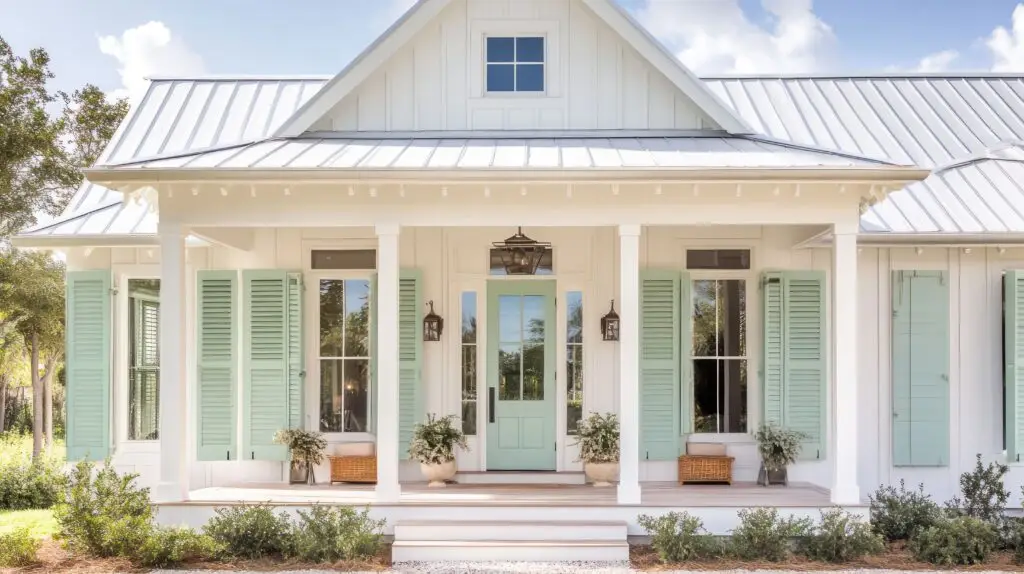
High sun exposure is one of the most aggressive forces acting on your home’s exterior. In the United States, homes with south- and west-facing elevations endure intense UV radiation that can break down paint binders in just a few seasons. Choosing the right coating system is the difference between a vibrant home and one that requires a full repaint far sooner than expected.
Quick Answer: The Best Exterior Paint for Full Sun Combines UV Resistance, Fade Protection, and Strong Adhesion
For maximum longevity in high-sun areas, 100% acrylic latex paint is the undisputed leader. Unlike oil-based paints, which become brittle and crack under solar heat, high-quality acrylic resins remain flexible. This flexibility allows the paint film to expand and contract with the siding, while specialized inorganic pigments resist the “bleaching” effect of direct sunlight.
Why sun exposure breaks down paint
UV rays act as a chemical catalyst, breaking the molecular bonds of the paint’s binder. Once the binder is compromised, the pigment is no longer held in place, leading to a powdery residue and a loss of protective thickness.
Which homes need extra protection most?
Homes with little to no tree cover and those with dark exterior colors are at the highest risk. Dark colors absorb more heat, which can raise the surface temperature of the siding to over 150°F, accelerating the chemical breakdown of the coating.
What Sun Exposure Does to Exterior Paint
Understanding the signs of solar damage helps you intervene before structural wood rot begins:
- Fading: This is the most visible sign. UV rays “bleach” the color, especially in organic pigments like reds, deep blues, and vibrant yellows.
- Chalking: This is the white, chalky powder that appears on the surface. It is a sign that the paint film is literally eroding away.
- Cracking and surface stress: Intense heat causes the substrate (wood or PVC) to move. If the paint isn’t flexible enough, it will develop “hairline” cracks that allow moisture to enter.
What to Look For in Paint for Full Sun
When selecting a product for a high-exposure project, prioritize these four technical features:
- UV-Resistant Pigments: Look for “inorganic” or “industrial-grade” pigments. These are minerals that do not react to UV light, ensuring the color stays true for 7–10 years.
- High-Quality Acrylic Resins: The “glue” of the paint. 100% acrylic formulas offer the best adhesion and weather resistance.
- Fade Resistance and Color Retention: Premium lines like Benjamin Moore Aura or Sherwin-Williams Emerald are engineered with proprietary cross-linking technology to lock color in.
- Durability on Hot Surfaces: Some paints are specifically formulated to be “Heat Reflective,” keeping the surface temperature of the siding lower to prevent warping.
Which Exterior Surfaces Need the Most Protection?
- South-facing walls: These receive the most consistent, intense radiation throughout the day.
- Trim and fascia: These architectural elements often catch the sun at direct angles and are prone to peeling if the paint loses its grip.
- Doors and shutters: Often painted in darker accent colors, these absorb the most thermal energy and require the highest grade of UV protection.
Best Sheens for Sun-Exposed Exteriors
- Low-Lustre or Satin Options: These are the most recommended. They offer enough “slickness” to shed water and resist dirt but aren’t so shiny that they highlight every sun-drenched imperfection in the siding.
- When flat may fail faster: Flat finishes are more porous. In high-sun areas, they can “chalk” more quickly because there is less resin protecting the pigment at the surface.
- Balancing appearance and durability: Satin finishes provide a durable “envelope” that reflects a portion of the UV rays away from the home.
Prep Tips Before Painting Sun-Damaged Surfaces
You cannot simply paint over sun-damaged areas. Proper restoration requires:
- Washing chalky paint: You must remove the “chalk” layer entirely with a professional power wash. New paint will not stick to a powdery surface.
- Scraping and priming: Sun-baked wood is often extremely dry and brittle. A high-penetration primer is needed to re-hydrate and seal the fibers before the topcoat is applied.
- Choosing a lighter, more stable color: If fading is a recurring problem, moving to a lighter shade (like a soft gray or a warm white) will significantly extend the life of the paint job.
FAQ: Exterior Paint for Sun Exposure
What is the best exterior paint for direct sunlight?
A 100% acrylic latex paint with high solids content. It remains flexible and provides the best UV barrier.
What paint resists fading the most?
Paints that use “waterborne colorant” systems (like Benjamin Moore’s Gennex technology) are significantly more fade-resistant than traditional tinting systems.
Does darker paint fade faster outside?
Yes. Darker colors absorb more UV energy and heat, leading to faster pigment breakdown and potential damage to the siding underneath.
How often should sun-exposed siding be repainted?
In high-sun areas, maintenance cycles are typically every 5 to 8 years, though premium UV-resistant paints can extend this to 10 years.
Need Long-Lasting Exterior Painting in CT?
The Connecticut climate—with its humid summers and direct solar exposure—requires a painting partner who understands the science of protection. At Anderson’s Painting, we don’t just change the color of your home; we shield it.
- UV-Optimized Product Selection: We match the right paint technology to your home’s specific exposure.
- Advanced Surface Preparation: We eliminate chalking and stabilize sun-damaged wood for a perfect bond.
- Expert Craftsmanship: Get a finish that stays vibrant and protects your investment for years to come.
Contact Anderson’s Painting today for a free exterior painting estimate and beat the sun this season!