
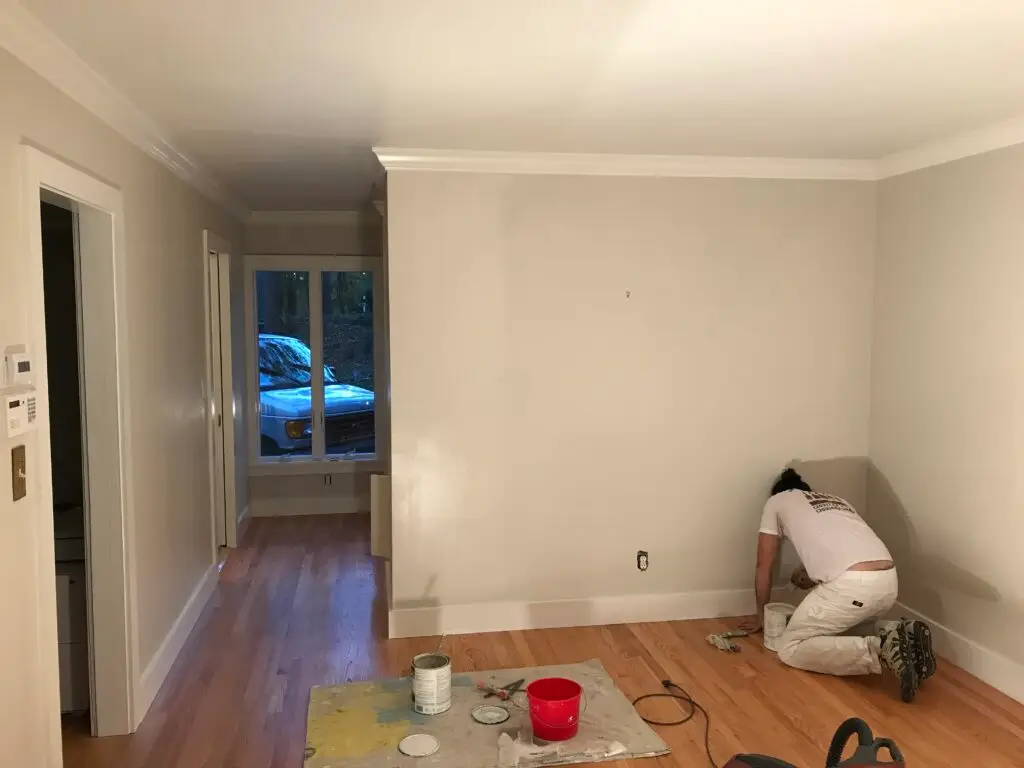
Baseboards and other trim elements are the unsung heroes of interior design, providing a crisp, clean line that defines a room and bridges the gap between walls and flooring. However, they’re also highly susceptible to scuffs, dings, and dirt due to their low-to-the-ground position. Choosing the best paint for baseboards is crucial for ensuring a durable, easy-to-clean finish that maintains its fresh look against daily wear and tear.
What type of paint works best for trim and baseboards
When it comes to painting baseboards and trim, the primary focus should be on durability, hardness, and ease of cleaning. These characteristics are best found in enamel paints.
- Enamel Paints: While not a specific type of paint like latex or oil, “enamel” refers to a paint’s characteristic of drying to a hard, durable, and often glossy finish. Modern enamel paints are typically acrylic-latex formulations specifically designed for trim and cabinetry.
- Pros:
- Durability: Form a tough, resilient surface that stands up well to impacts, scuffs, and daily wear.
- Washability: Their smooth, hard finish is easy to wipe clean of dirt, dust, and scuff marks, which is essential for low-lying trim.
- Adhesion: Formulated to adhere well to various trim materials like wood, MDF, and previously painted surfaces.
- Flow and Leveling: Good quality trim enamels are designed to flow smoothly, minimizing brush marks and creating a professional-looking finish.
- Cons: Higher sheen finishes (like semi-gloss or gloss) can highlight imperfections more readily than flatter finishes.
- Pros:
Gloss vs. Semi-gloss vs. Satin: Which finish to use
The sheen you choose for your baseboards significantly impacts both the appearance and the practical performance. For trim, the most popular and recommended options are semi-gloss or satin.
- Semi-Gloss:
- Characteristics: Features a noticeable shine that reflects light, giving trim a crisp, clean, and classic look.
- Pros: Highly durable, extremely easy to clean and wipe down, excellent scuff resistance. Its sheen provides a beautiful contrast against flatter wall paints.
- Cons: Its reflectivity means it will highlight any imperfections (dents, dings, or rough sanding) on the baseboards. Requires meticulous prep work.
- Best For: Most common choice for baseboards, doors, and trim in general, especially in high-traffic areas.
- Satin:
- Characteristics: Offers a softer, more subtle sheen than semi-gloss, often described as a “low-luster” or “eggshell” for trim. It has a slight pearlescent glow.
- Pros: Very durable and washable, though slightly less so than semi-gloss. Helps to subtly hide minor imperfections while still being easy to clean. Creates a slightly softer, more contemporary look than semi-gloss.
- Cons: May not offer as much contrast against flat or eggshell walls if that’s the desired aesthetic.
- Best For: Those who want durability and washability but prefer a less reflective finish, or when working with baseboards that have slight imperfections.
- Gloss:
- Characteristics: The highest sheen level, providing a very shiny, almost glass-like finish.
- Pros: Maximum durability and washability. Creates a dramatic, reflective look.
- Cons: Magnifies every single imperfection on the surface. Can look overly “plastic” or dated in some modern aesthetics.
- Best For: Less common for general baseboards, often reserved for doors, specific architectural features, or accents where a very high-shine, highly durable finish is explicitly desired.
- Flat/Matte:
- Characteristics: No sheen at all, absorbs light.
- Pros: Excellent at hiding imperfections.
- Cons: Very poor durability and washability. Easily scuffs and marks.
- Best For: Not recommended for baseboards or trim due to its inability to withstand wear and tear.
Recommendation: For most homes, semi-gloss is the go-to for its balance of durability, ease of cleaning, and classic aesthetic. Satin is an excellent alternative for a softer look that still offers good performance.
Latex vs. Oil-based paint for baseboards
The debate between latex (water-based) and oil-based paint has evolved significantly with advancements in paint technology.
- Latex Paint (Acrylic Latex Enamel):
- Description: Modern, water-based paints, often specifically acrylic enamels for trim.
- Pros:
- Quick Drying: Dries to the touch much faster, allowing for quicker recoating.
- Easy Cleanup: Tools and drips clean up easily with soap and water.
- Low VOCs/Low Odor: Much less noxious fumes, better for indoor air quality.
- Flexibility: Excellent flexibility, making them less prone to cracking and chipping as wood expands and contracts.
- Non-Yellowing: White latex paints will not yellow over time, unlike oil-based paints.
- Cons: Can be slightly less hard initially than traditional oil-based paints (though modern acrylic enamels are very durable). May require more coats for full coverage over dark colors.
- Recommendation: Highly recommended as the best choice for baseboards in virtually all modern applications.
- Oil-Based Paint (Alkyd Enamel):
- Description: Traditional, solvent-based paints.
- Pros:
- Very Hard Finish: Dries to an exceptionally hard and smooth finish, providing excellent resistance to abrasion.
- Good Flow and Leveling: Known for laying down very smoothly with minimal brush marks.
- Adhesion: Excellent adhesion, especially to previously oil-painted or glossy surfaces without extensive sanding.
- Cons:
- Slow Drying: Can take 6-24 hours or more to dry between coats, prolonging the project.
- High VOCs/Strong Odor: Significant fumes requiring good ventilation.
- Yellowing: White and light colors will yellow significantly over time, especially in areas with low light exposure.
- Brittle: Less flexible than latex, making them more prone to cracking and chipping on wood trim as it naturally expands and contracts.
- Difficult Cleanup: Requires mineral spirits or paint thinner for cleanup.
- Recommendation: Generally not recommended for new applications on baseboards due to slow drying, yellowing, and brittleness. Can be considered if you are painting over existing oil-based paint and want to stick with the same type for consistency, or for very specific high-impact areas where maximum hardness is prioritized over flexibility and non-yellowing properties.
Prep and priming for smooth results
Proper preparation is the single most important step for ensuring your baseboard paint job looks professional and lasts.
- Clean Thoroughly: Vacuum baseboards to remove dust and debris. Wipe them down with a damp cloth and a mild cleaner to remove grime, grease, or sticky residue. Rinse with a clean, damp cloth and allow to dry completely.
- Repair Imperfections:
- Fill Holes/Dents: Use spackle or wood putty to fill nail holes, dings, or minor imperfections. Apply with a putty knife and allow to dry.
- Sand Smooth: Lightly sand all repaired areas with fine-grit sandpaper (180-220 grit) until perfectly smooth and flush.
- Caulk Gaps: Apply a thin bead of paintable acrylic latex caulk to any gaps between the top of the baseboard and the wall, or between sections of baseboard. Smooth the caulk with a wet finger or damp rag. Allow caulk to cure.
- Light Sanding (if necessary): If the baseboards have a glossy existing finish, or if they are bare wood, a light scuff sanding (180-220 grit) will create a “tooth” for the primer to adhere to. Always remove sanding dust thoroughly.
- Prime All Bare Surfaces:
- Crucial for New/Bare Wood or MDF: MDF (Medium-Density Fiberboard) is highly absorbent and requires a good primer. Use a high-quality acrylic latex primer or a dedicated trim primer.
- For Previously Painted Surfaces: If the old paint is glossy, or you’re transitioning from oil-based to latex, a bonding primer can ensure superior adhesion. If the old paint is peeling, scrape it completely, sand, and then prime the bare spots.
- Primer seals the surface, promotes adhesion, blocks stains (especially from knots in wood), and provides a uniform base for the topcoat, preventing blotchy finishes.
- Masking: Use high-quality painter’s tape along the top edge of the baseboard (where it meets the wall) if you’ve already painted the walls. For carpet, use the “tape and tuck” method or a paint shield (see previous response for details).
Top recommended paint brands
When it comes to trim paint, investing in quality pays off in durability, ease of application, and a superior finish. Look for their “trim enamel” or “cabinet and trim” lines.
- Sherwin-Williams:
- Emerald Urethane Trim Enamel: Excellent flow, leveling, and durability. Resists blocking (sticking where surfaces touch).
- ProClassic Waterborne Interior Acrylic Enamel: Very popular among professionals for trim, offering a smooth, hard finish and easy cleanup.
- Benjamin Moore:
- Advance Waterborne Interior Alkyd Paint: A hybrid paint that combines the best properties of oil (hard, smooth finish) with water-based convenience (easy cleanup, low VOCs, non-yellowing). Highly recommended for trim.
- Regal Select Interior Paint (Pearl or Semi-Gloss finishes): A durable, washable acrylic latex option.
- Behr (Home Depot):
- Dynasty Interior Paint (Satin or Semi-Gloss): A premium option with good durability.
- Marquee Interior Paint (Semi-Gloss): Offers good coverage and durability for trim.
- Valspar (Lowe’s):
- Cabinet & Trim Enamel: Formulated specifically for hard-wearing surfaces, offering good flow and durability.
- PPG Paints:
- Break-Through! Acrylic Alkyd Paint: Another excellent hybrid option known for its extreme durability and adhesion, making it great for trim and doors.
When choosing, look for terms like “enamel,” “urethane,” “alkyd,” or “cabinet & trim” on the label, as these indicate formulations designed for high-wear surfaces like baseboards.
Ready to give your baseboards a fresh, durable, and easy-to-clean finish? Anderson’s Painting specializes in expert interior painting, including meticulous preparation and flawless application for baseboards, trim, and doors. We use only the highest quality paints to ensure a beautiful, long-lasting result throughout your home. Contact us today for a free consultation!