
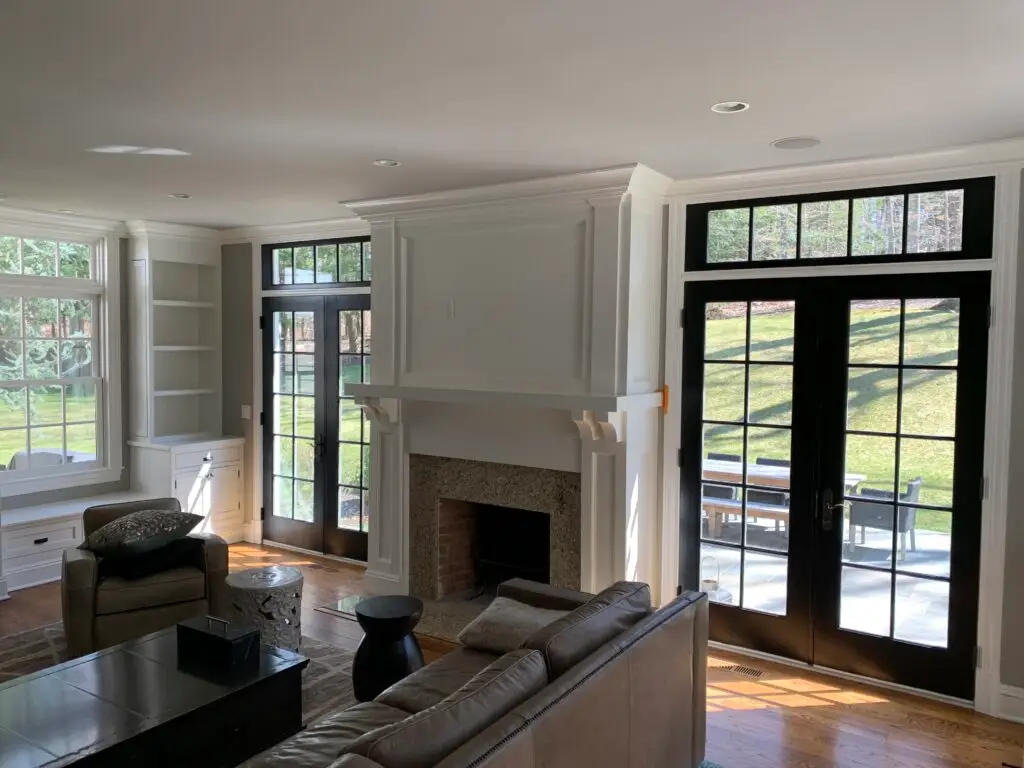
Painting a brick fireplace is a popular and relatively inexpensive way to update a dated room, modernize a hearth, or lighten a dark living space. However, brick is a uniquely porous and textured surface, and the fireplace environment presents specific challenges due to heat and soot exposure. Choosing the right paint and primer is crucial for a durable, professional finish that won’t chip, peel, or yellow.
Can You Paint a Brick Fireplace Safely?
Yes, painting a brick fireplace is generally safe, provided you strictly adhere to safety guidelines regarding heat and material application.
When Painting Is Appropriate vs. Not
- Appropriate: Painting is appropriate for the fireplace surround (the brick area visible outside the firebox opening), the hearth (the horizontal platform), and the mantel. These areas typically do not reach high enough temperatures to damage standard masonry paint.
- Not Appropriate: Never paint the inside of the firebox (the area where the fire actually burns). This area reaches temperatures exceeding 1000°F, which will cause standard paints, and even most heat-resistant paints, to burn off, emit toxic fumes, and flake immediately.
Heat Exposure Considerations
The paint you use must be appropriate for the temperature the brick reaches.
- Standard Masonry/Latex Paint: Safe for brick surfaces that stay below 200°F. This usually includes the mantel, hearth, and surround area above the firebox opening.
- High-Heat Paint: Required for the brick immediately surrounding the firebox opening (the facing) if you use the fireplace frequently. These specialized paints can handle temperatures up to 1200°F. If you rarely use the fireplace, a standard masonry paint is usually sufficient for the facing, but using high-heat is the safest option.
Best Paint Types for Brick Fireplaces
The best paint for a brick fireplace is specialized for masonry to ensure proper adhesion to the porous surface.
Masonry Paint
For the majority of the fireplace surround and hearth, a high-quality, 100% Acrylic Latex paint formulated for masonry or exterior use is the best choice.
- Porosity: Acrylic latex allows the brick to “breathe,” meaning it accommodates the natural porosity and slight moisture movement of the masonry.
- Adhesion: High-quality acrylics offer excellent adhesion when paired with a masonry primer, resisting peeling and cracking caused by temperature fluctuations.
- Sheen: A flat or eggshell sheen is generally recommended, as brick is uneven and glossier finishes will highlight every imperfection.
Heat-Resistant Paint (Where Required)
If you have concerns about the brick facing getting hot (the 6-12 inches directly around the firebox opening), you must use a high-heat enamel.
- Composition: These are often silicone ceramic-based paints designed to withstand extremely high temperatures without blistering or off-gassing.
- Color Limitations: They typically come in limited colors, primarily matte black, charcoal, or dark bronze, as the pigments required to handle extreme heat are limited.
- Application: These paints are often applied via aerosol spray and require meticulous surface cleaning (often with degreaser and metal prep) and sometimes an initial “bake-in” period, as specified by the manufacturer.
Latex vs. Mineral-Based Coatings
While latex is the practical standard, other options exist:
- 100% Acrylic Latex: (Recommended for most DIY projects.) Easy to clean, durable, and readily available in thousands of colors.
- Mineral-Based Coatings (Limewash or Silicate Paint): These coatings soak into the brick, bonding chemically. They offer a highly breathable, beautiful, matte finish (often desired for a rustic look). However, they are more complex to apply and are more expensive than traditional acrylics.
Proper Prep for Brick Surfaces
The secret to a successful painted brick fireplace lies in the preparation. Brick is dirty, porous, and often coated in fine soot.
Cleaning Soot and Residue
All dirt, grease, and soot must be removed before priming, or the paint will fail.
- Vacuum: Use a shop vac with a brush attachment to remove all loose dust, spiderwebs, and large debris from the mortar joints and brick texture.
- Degrease/Clean: Mix a solution of Trisodium Phosphate (TSP) substitute (or a heavy-duty degreaser) and water. Scrub the entire brick surface with a stiff-bristle brush, focusing heavily on the areas near the firebox that have accumulated soot.
- Rinse and Dry: Rinse the surface thoroughly with clean water to remove all traces of the cleaner. Allow the brick to dry completely—this can take 24 to 72 hours, depending on humidity, as brick holds a lot of moisture.
Masonry Primer and Absorption Control
Do not skip this step. Primer is not optional when painting brick.
- Sealing Porosity: Brick is extremely porous and will rapidly absorb standard wall paint, requiring three or four coats for coverage. A masonry-specific or block-filler primer seals the pores, controlling the absorption rate and ensuring the topcoat covers evenly in just one or two coats.
- Adhesion Bridge: Primer provides a superior bonding surface for the topcoat, effectively locking the paint onto the rough, gritty texture of the masonry.
- Stain Blocking: The best primers contain stain blockers to prevent residual soot or discoloration from leaching through the new topcoat. Use a quality alkyd (oil-based) primer or a specialized bonding primer if you are concerned about heavy stains.
Common Fireplace Painting Mistakes
Avoid these pitfalls to ensure your project is successful and long-lasting.
Skipping Primer
This is the number one reason painted brick fails. Without a suitable primer, the paint will soak into the brick unevenly, leaving a patchy appearance (poor coverage), and the final coat will not adhere strongly. When the seasons change and the masonry expands and contracts, the unprimed topcoat will crack and flake.
Using Wall Paint Directly on Brick
Standard interior wall paint is not formulated for the extreme porosity and durability demands of brick. It will likely require excessive coats, and more importantly, it lacks the elasticity and specialized binding agents found in high-quality masonry-specific paint, leading to premature failure. Always use a 100% acrylic latex or dedicated masonry coating for the visible brick areas.
FAQs
Does painted brick peel?
Painted brick can peel or flake if: 1) the brick was improperly cleaned (soot or grease prevents adhesion), 2) the primer was skipped, or 3) too much moisture is trapped within the brick structure (usually an external issue). If you properly clean, prime with a masonry-specific product, and use a durable acrylic latex topcoat, the finish should last for many years.
Can I paint the inside of the firebox?
No, you should never paint the inside of the firebox. This is the high-heat zone, and even high-heat paints are typically not rated for the direct, sustained contact of a roaring fire. The paint would quickly burn off, degrade, and release fumes. For the firebox interior, use only specialized fireproof black coatings designed for stoves and inserts, or leave the natural masonry exposed.
Is white paint safe for fireplaces?
Yes, white paint (or any color of masonry paint) is safe for the fireplace surround and hearth, provided it is not in the firebox. The color of the paint does not affect its safety or heat tolerance. However, white paint requires extra care in preparation and cleaning, as any residual soot or smoke residue not properly sealed by the primer will bleed through the bright white topcoat. Always use a premium stain-blocking primer when painting brick white.
Have you recently updated your fireplace with one of our recommended masonry paints? We’d love to see your before-and-after photos and hear which product delivered the best results for your home!