
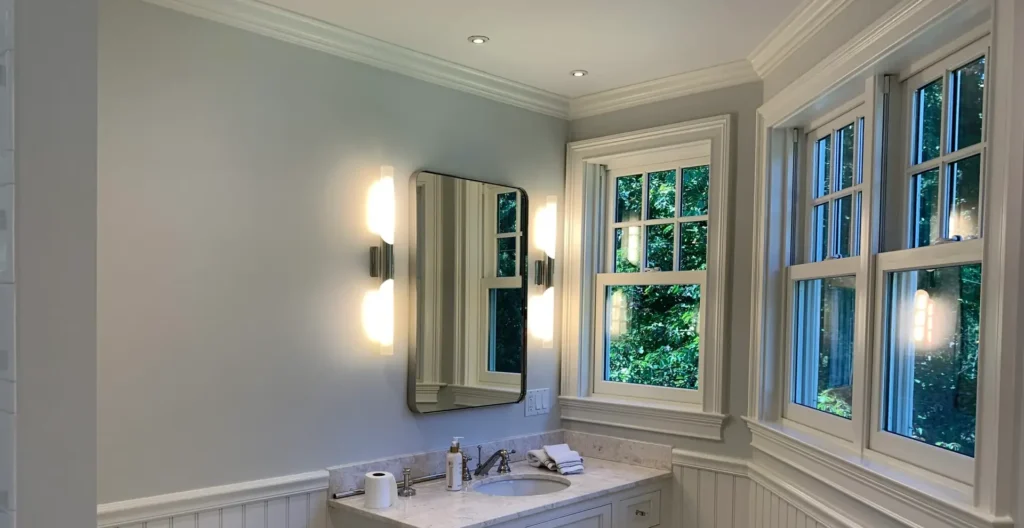
Aluminum window and door frames are durable, lightweight, and low-maintenance. However, over time, their factory finish can fade, chip, or simply look dated, detracting from your home’s curb appeal. The good news is that these frames are highly receptive to paint, provided you follow the correct preparation and product guidelines.
Yes, Aluminum Frames Can Be Painted
Painting aluminum frames is a viable, cost-effective alternative to expensive window replacement. It’s a specialized job, but with the right steps, you can achieve a factory-fresh appearance that lasts for years.
When Repainting Is a Good Idea
You should consider repainting your aluminum frames if:
- Aesthetics are Dated: The color clashes with new exterior siding, trim, or roofing materials.
- Fading or Chalking: The existing finish has lost its vibrancy, appearing dull or oxidized (a fine, powdery residue).
- Minor Damage: There are minor scratches, scuffs, or small areas of chipped paint. Painting can cover these flaws and provide immediate restoration.
Benefits of Painting Aluminum Frames
- Significant Cost Savings: Repainting is a fraction of the cost of replacing perfectly functional windows and frames.
- Improved Curb Appeal: A fresh, modern color can dramatically update your home’s exterior look without major renovation.
- Protection: A new, high-quality exterior paint coat adds a protective layer, shielding the aluminum from harsh UV rays and moisture, which helps prevent future oxidation and corrosion.
Correct Prep Is Key
The successful bond between paint and aluminum hinges entirely on preparation. Aluminum is a non-porous, smooth metal that naturally resists adhesion, meaning primer is mandatory.
Cleaning to Remove Oxidation
Before sanding or priming, the frames must be spotless. Aluminum surfaces often develop a layer of white, powdery oxidation that must be completely removed.
- Remove Gunk: Use a mild detergent and water to remove dirt, grease, and grime.
- Degreasing: Use a strong cleaner, like mineral spirits or denatured alcohol, to wipe down the frames and ensure all oil and residue are gone.
- Oxidation Removal: For noticeable oxidation (chalking), use a specialized metal cleaning product or a gentle scrub pad with a vinegar-and-water solution. Rinse thoroughly with clean water and allow the frames to dry completely before proceeding.
Sanding to Improve Adhesion
Sanding aluminum is not about removing the old finish entirely; it’s about providing the surface with “tooth” or texture.
- Technique: Use a fine-grit sandpaper, such as 220-grit or higher. Lightly scuff the entire frame surface. The goal is only to dull the existing shine and create a micro-rough surface, not to gauge the metal.
- Wipe Down: Immediately after sanding, wipe the frames thoroughly with a tack cloth to remove all fine metal and paint dust. This dust prevents the primer from bonding correctly.
Using Self-Etching or Bonding Primer
This is the most critical step. Standard paint primer will not stick to bare or glossy aluminum. You need a specialized product.
- Self-Etching Primer: This type of primer contains mild acids that chemically etch the smooth aluminum surface, creating an incredibly strong bond. It is generally the professional choice for bare aluminum.
- Universal Bonding Primer: These high-performance primers are formulated to adhere to difficult, non-porous surfaces like vinyl, galvanized metal, and aluminum. Look for one specifically labeled for metal surfaces.
Apply the primer evenly in thin coats, following the manufacturer’s flash-off and recoat times precisely before applying the topcoat paint.
Best Paint Options for Aluminum Window Frames
Once properly primed, the aluminum is ready for a durable, weather-resistant topcoat.
Exterior Metal-Safe Coatings
The best choice for longevity is a high-performance enamel specifically designed for exterior metal and challenging substrates. These products offer the highest resistance to UV damage, moisture, and temperature fluctuations.
- Key Ingredients: Look for paints based on 100% acrylic or elastomeric resins, which provide flexibility to move with the metal through heating and cooling cycles.
- Sheen Recommendation: A Semi-Gloss or Satin finish is ideal, as the higher resin content provides better hardness, scrub resistance, and moisture repellence compared to flat finishes.
Spray Enamel
High-quality spray enamel (often available in aerosol cans) is an excellent option for aluminum frames because it self-levels beautifully, eliminating brush marks and providing a glass-smooth finish.
- Application Tip: This requires careful masking of all surrounding glass, siding, and weatherstripping. Apply multiple thin coats rather than one heavy coat to prevent runs and sagging.
Acrylic Latex Paint
If using a brush or roller, a premium exterior-grade 100% acrylic latex paint can be used, but only when applied over the correct bonding primer. While easier to clean up and lower in VOCs, it must be the highest quality exterior formulation to withstand the sun and weather exposure inherent to window frames.
FAQs About Painting Aluminum Frames
“Will paint peel off aluminum over time?”
Paint will only peel off aluminum if the preparation was inadequate. Peeling is almost always a sign that the surface was either not properly degreased, or the wrong type of primer (or no primer at all) was used. If you use a high-quality bonding or self-etching primer and follow up with a flexible exterior topcoat, the paint should adhere successfully for many years.
“Is sanding aluminum necessary?”
Yes, sanding is necessary. Aluminum is too slick for paint to bond mechanically without some surface texturing. You do not need harsh sanding; a light “scuff-sanding” with 220-grit paper is enough to create the microscopic scratches (the “tooth”) that are essential for the primer to anchor itself to the frame.
“How long does painted aluminum last?”
With professional preparation, the correct specialized primer, and a premium exterior paint (like a 100% acrylic enamel), you can expect the finish to last between 5 to 10 years or more, depending on the direct sun exposure and climate severity. The key indicators that it’s time to repaint are fading, chalking, or minor chipping.
Aluminum frame painting is a precise task requiring specialized products and careful masking. Don’t risk premature peeling and subpar results by cutting corners on preparation.
If you’re looking for a flawless, long-lasting finish on your aluminum frames, trust the expertise of Anderson’s Painting. Contact us today for a consultation and a detailed estimate!