
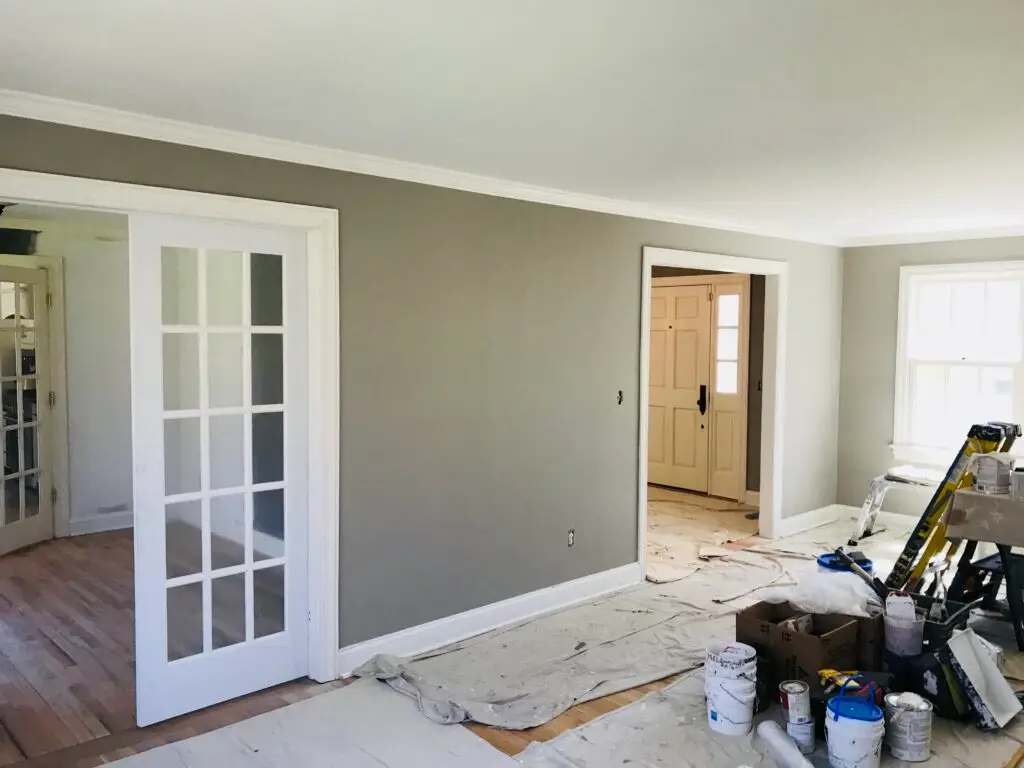
Yes, you can absolutely paint drywall. In fact, it’s the standard material for most interior walls and ceilings, and painting is the final step that gives it a finished look. However, you can’t simply start painting a newly installed sheet of drywall. The preparation steps are the most critical part of the process, ensuring you get a smooth, professional, and long-lasting finish.
Why Preparation Matters
Painting new drywall without proper preparation can lead to a messy, unprofessional result.
Dust, Seams, and Imperfections
New drywall is dusty, and without a good cleaning, paint will not adhere properly. The seams where the sheets meet, along with any screw or nail holes, are finished with joint compound (also called drywall mud). If these areas aren’t sanded and smoothed correctly, they will be very noticeable under a coat of paint.
Risks of Painting Unprepared Drywall
Painting directly onto unprimed drywall will result in a finish with an uneven sheen. The porous paper facing and the joint compound absorb paint differently, leading to a patchy, uneven appearance.
Essential Steps Before Painting
Cleaning and Sanding
Before you do anything else, you need to prepare the surface. Wipe down the entire wall with a damp cloth to remove any dust and debris. Then, use fine-grit sandpaper (around 120-150 grit) to lightly sand all the seams and patched areas. This will smooth out any imperfections and create a uniform surface.
Applying Joint Compound
If you have any dents, nicks, or cracks, now is the time to fix them. Use a small amount of joint compound to fill in the imperfections, then sand it smooth once it’s dry. A putty knife is the best tool for this job.
Priming the Surface
This is the most important step for new drywall. Primer acts as a sealant, creating a uniform, non-porous surface for the paint to stick to. It ensures that your top coat of paint will have a consistent finish and color. Apply one even coat of a high-quality drywall primer and let it dry completely before painting.
Choosing the Right Paint
Latex vs. Oil-Based Paints
For most indoor painting jobs, a latex (water-based) paint is the best choice. It’s easy to clean, dries quickly, and is low in VOCs. Oil-based paints are more durable and provide a harder finish, but they have a strong odor and are more difficult to clean up.
Flat, Eggshell, or Satin Finishes
- Flat paint is great for ceilings and low-traffic areas. It hides imperfections well but is less durable and harder to clean.
- Eggshell and satin finishes have a subtle sheen and are more durable. They are the most popular choices for living rooms, bedrooms, and hallways.
Tips for a Flawless Finish
Proper Roller Techniques
Use a high-quality roller with the right nap for your surface. Apply paint in a “W” or “M” pattern to ensure even coverage, and always keep a wet edge to avoid visible roller marks.
Multiple Coats
While one coat may seem like enough, a second coat of paint provides a richer color and a more durable finish. Allow the first coat to dry completely before applying the second.
For a professional-quality paint job without the hassle, contact Anderson’s Painting today for a free consultation.