
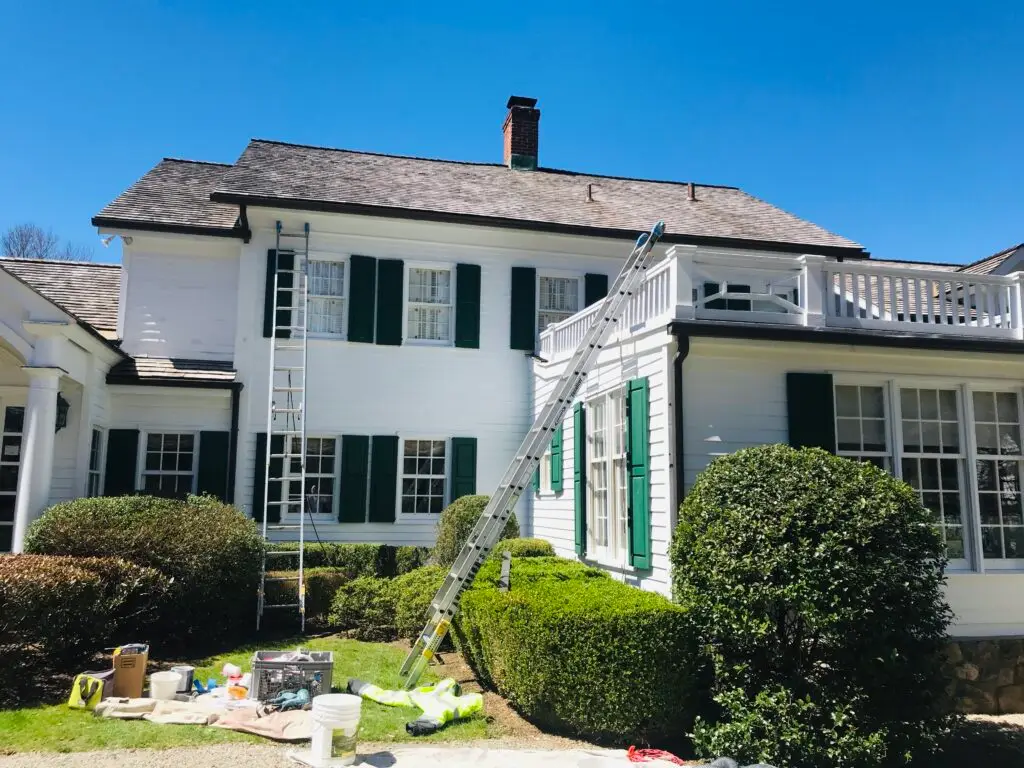
Fiber cement siding has become a popular choice for homeowners due to its incredible durability, fire resistance, and ability to mimic the look of wood, stucco, or masonry. While it’s known for being low-maintenance, a common question arises: Can you paint fiber cement siding? The answer is a resounding yes! Not only is it possible, but painting is actually an essential part of maintaining its aesthetic appeal and protective qualities over time. Understanding the proper techniques and materials will ensure your fiber cement siding looks fantastic and lasts for decades.
Is painting recommended for fiber cement?
Absolutely! Painting is not just recommended, it’s a necessary step in the lifecycle of most fiber cement siding.
- Protection: The paint acts as a sacrificial layer that shields the fiber cement board from UV radiation, moisture, and general weathering. While fiber cement itself is durable, the paint finish is its first line of defense against the elements.
- Aesthetics: Painting allows homeowners to customize their home’s appearance with a vast array of colors. It’s an effective way to update your home’s curb appeal without replacing the siding.
- Maintenance: Over time, even factory-applied finishes will fade, chalk, or show wear. Repainting refreshes the look and restores the protective barrier.
- Warranty Requirements: Many fiber cement manufacturers require their products to be painted or stained within a specific timeframe after installation (e.g., 90 days) for their warranty to remain valid. They often come pre-primed, ready for paint.
When to repaint vs. Replace
Fiber cement siding is designed to last for 30-50 years or even longer. Replacing it should be a last resort, as repainting is almost always the more cost-effective and practical solution.
- When to Repaint:
- Fading or Chalking: The color looks dull, faded, or powdery when touched.
- Minor Cracks or Chips: Small, superficial cracks or chips that can be easily repaired and blended.
- Mildew/Algae Growth: Persistent growth that returns quickly after cleaning, indicating the paint’s protective properties are diminishing.
- Bubbling or Peeling Paint: If the existing paint is delaminating from the fiber cement, it’s a clear sign it’s time to scrape, prime, and repaint.
- Desire for a New Color: Simply wanting to update your home’s exterior color is a perfectly valid reason to repaint.
- When to Replace (Rarely Necessary for Paint Issues):
- Extensive Structural Damage: Large holes, severe impacts, or widespread cracking that compromises the integrity of the board itself.
- Rot or Swelling: While fiber cement is rot-resistant, prolonged exposure to moisture due to poor installation or persistent leaks can sometimes lead to swelling or localized deterioration if the board’s core becomes compromised. This is rare and usually due to underlying issues.
- Asbestos Content (Older Siding): Very old fiber cement siding (pre-1990s) might contain asbestos. If it’s severely damaged and needs extensive repairs that would release fibers, replacement by certified professionals might be recommended for safety, rather than extensive renovation. Most modern fiber cement siding does not contain asbestos.
Best paints for fiber cement (acrylic, elastomeric)
Choosing the right type of paint is crucial for the longevity and performance of your fiber cement siding.
- 100% Acrylic Latex Paint:
- Recommendation: This is the absolute best and most widely recommended paint type for fiber cement siding.
- Pros: Highly flexible (accommodates the slight expansion and contraction of the siding without cracking). Excellent adhesion. Breathable (allows moisture vapor to escape without blistering). Superior UV resistance (resists fading and chalking). Excellent mildew and algae resistance. Easy water cleanup.
- Finishes: Satin or low-sheen are most popular, as they provide durability and hide minor imperfections without being overly glossy.
- Elastomeric Paint:
- Description: A type of paint that is highly flexible and can stretch significantly more than standard acrylics.
- Pros: Excellent for bridging hairline cracks and providing superior waterproofing, especially in very wet climates or on siding with many small imperfections.
- Cons: Often more expensive. Can be thicker and harder to apply evenly. Its high elasticity can sometimes lead to dirt collection or a “rubberier” feel if applied too thick.
- Best For: Siding with numerous hairline cracks, or in regions experiencing extreme weather fluctuations.
- Avoid Oil-Based Paints: While offering a hard finish, oil-based paints are less flexible than acrylics. They are more prone to cracking, peeling, and blistering on fiber cement siding over time due to the siding’s slight movement. They also have higher VOCs and yellow over time.
Prep and priming requirements
Proper preparation and priming are non-negotiable steps for ensuring maximum adhesion and a long-lasting paint job on fiber cement.
- Cleaning:
- Remove Loose Debris: Sweep off cobwebs, loose dirt, and leaves.
- Wash Thoroughly: Use a garden hose with a stiff brush and a mild detergent or a specialized house cleaner. A power washer (on a low setting, keeping a safe distance like 12-18 inches and avoiding forcing water behind seams) is highly efficient for larger areas.
- Mildew/Algae: Treat any mildew or algae with a solution of 1 part bleach to 10 parts water, or a commercial mildew remover. Scrub and rinse thoroughly.
- Rinse and Dry: Rinse the entire siding meticulously to remove all soap and cleaning solution residue. Allow the siding to dry completely for at least 24-48 hours. Painting over damp siding will lead to paint failure.
- Scraping and Sanding (if applicable):
- Scrape Loose Paint: Carefully scrape off any peeling, bubbling, or flaking paint from previous coatings.
- Light Sanding: Lightly sand any rough areas, feathered edges from scraping, or glossy surfaces (if present) to create a mechanical “tooth” for better adhesion. Use 100-150 grit sandpaper.
- Remove Dust: Wipe or rinse away all sanding dust. Allow to dry again.
- Repair and Caulk:
- Repair Damage: Fill any small cracks, nail holes, or chips with an exterior-grade, paintable caulk or fiber cement patch compound. Allow repairs to cure fully.
- Caulk Gaps: Re-caulk around windows, doors, trim boards, and joints where moisture could penetrate. Use a high-quality, paintable acrylic latex caulk. Smooth the caulk bead for a clean finish.
- Priming (Crucial!):
- Bare Fiber Cement: If your siding is new (and pre-primed from the factory), it’s generally ready for two topcoats of paint. However, if it’s unprimed (rare) or you’ve scraped down to bare fiber cement, you must apply a high-quality acrylic latex primer designed for masonry/fiber cement.
- Stained/Repaired Areas: Always prime over any repaired areas, stained spots (water, rust, tannin), or areas where the old paint was completely removed. A stain-blocking primer may be necessary for severe stains.
- Primer ensures uniform absorption, promotes excellent adhesion, and provides a consistent base for the topcoat color.
How long does paint last on fiber cement?
One of the great advantages of fiber cement siding is its ability to hold paint exceptionally well.
- Expected Lifespan: With proper preparation and the use of high-quality 100% acrylic latex paint, you can expect the paint on fiber cement siding to last for 10 to 15 years, and sometimes even longer (up to 20 years in ideal conditions).
- Factors Influencing Longevity:
- Paint Quality: Premium-grade paints last significantly longer than economy paints.
- Preparation: As discussed, thorough cleaning, repair, and priming are paramount. Poor prep is the leading cause of premature paint failure.
- Application: Two thin, even coats applied in ideal weather conditions will outperform one thick coat or paint applied in adverse conditions.
- Exposure: Sides of the house that receive more direct sun (especially south-facing) or more intense weather exposure will typically show wear faster.
- Color Choice: Darker colors absorb more UV radiation and heat, which can sometimes lead to faster fading or more stress on the paint film compared to lighter colors.
- Maintenance: Regular cleaning and prompt touch-ups of minor issues will extend the life of the paint.
By following these best practices, painting your fiber cement siding is a straightforward and rewarding project that will protect your home and keep it looking vibrant for decades.
Is your fiber cement siding looking a little tired or ready for a color change? Anderson’s Painting specializes in expert exterior painting, including meticulous preparation and flawless application on fiber cement siding. We use premium, long-lasting paints to ensure your home looks beautiful and is protected for years to come. Contact us today for a free consultation!