
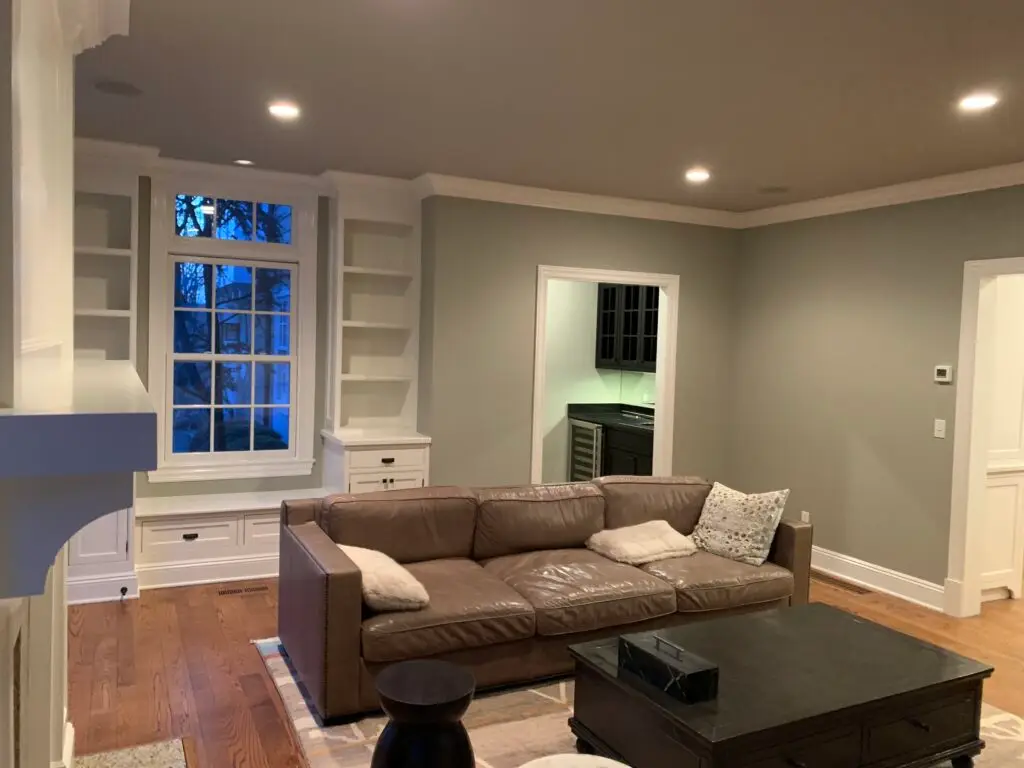
When the weather turns cold, homeowners often assume that all painting projects must be put on hold until spring. While exterior painting certainly poses challenges when temperatures drop, winter is actually one of the absolute best times to tackle your interior painting projects.
Painting your interior walls during the colder months not only gives you a fresh start for the new year but offers distinct advantages over painting in the heat of summer. Here is your definitive guide to successfully painting interior walls in the winter.
Why Winter Is a Good Time for Indoor Painting
Many factors line up perfectly in the winter to create an ideal environment for paint application and curing.
Lower Humidity Helps Paint Cure Faster
Paint doesn’t just dry; it cures through a chemical process called coalescence, where the polymers fuse together to form a tough, durable film. This process is greatly affected by humidity.
- Summer: High humidity slows down the evaporation of water from latex paint, extending the drying and curing time, which can leave the paint tacky for longer.
- Winter: Because we run our heating systems constantly, indoor winter air is typically dry (low humidity). This low moisture content allows the water in the paint to evaporate more efficiently, helping the film cure faster and leading to a more consistent, durable finish.
Convenient Scheduling for Homeowners
Winter is traditionally the slower season for exterior-focused painting companies. This works entirely in the homeowner’s favor.
- More Availability: Professional painting crews often have more open slots during the winter months, meaning you can schedule your project sooner and on a timeline that is more convenient for your family.
- Faster Completion: With fewer jobs queued, contractors can dedicate more focused attention to your project, potentially leading to faster overall completion times.
Key Considerations for Winter Painting
While the weather outside doesn’t matter much, the internal environment is everything. Controlling temperature and airflow is crucial for success.
Keep Room Temperature 60–75°F
The most important rule for interior winter painting is maintaining a stable room temperature. Paint manufacturers recommend keeping the temperature within the range of 60°F to 75°F (15°C to 24°C) during application and for several days afterward.
The heating system should remain on, as consistent warmth helps the binders in the paint maintain the flexibility needed to cure correctly. Avoid drastic temperature swings, which can shock the paint and cause cracking or adhesion issues.
Maintain Ventilation Without Cold Drafts
Proper ventilation is essential to expel the evaporating paint solvents and odors, especially since windows remain closed in winter.
- Avoid Direct Drafts: Do not open a window fully and aim a fan directly at a freshly painted wall. Extreme cold hitting wet paint can cause the surface to cure too quickly (skinning over) while trapping uncured paint underneath.
- Use Controlled Airflow: Open a window in an adjacent room just slightly, and use a box fan placed near the open window to gently draw air out of the house. This creates a subtle negative pressure, pulling stale air out and bringing fresh, temperate air into the work area without creating a direct, icy draft.
Choosing the Right Paint for the Season
Choosing high-quality, modern paint is always a good practice, but it’s especially critical when painting indoors during the winter.
Low-VOC and Fast-Drying Options
Since ventilation is restricted in winter, prioritizing indoor air quality is paramount.
- Low-VOC or Zero-VOC: Volatile Organic Compounds (VOCs) are solvents released as the paint dries, causing that strong “paint smell.” Choosing a Low-VOC or Zero-VOC paint minimizes these odors, making the house far more comfortable and safer for occupants, pets, and the painting crew.
- Fast-Drying Formulas: Look for premium acrylic latex paints known for their quick dry times, which helps accelerate the overall project schedule.
Latex-Based Paints vs. Oil-Based Alternatives
For interior walls, latex-based paints (water-based acrylics) are the dominant and safest choice today, offering flexibility, easy cleanup, and lower odor. They dry and cure beautifully in a heated winter home.
Oil-based (alkyd) paints are typically reserved for specialized uses like trim or high-traffic doors. They have a much stronger odor and higher VOC content, requiring more extensive ventilation. If an oil-based paint must be used, ensure your professional painter employs industrial-grade air scrubbers and exhaust fans.
Common Mistakes to Avoid
A winter paint job is usually flawless, but failure to follow a few key rules can compromise the finish.
Painting on Cold or Damp Walls
Even indoors, walls—especially those on the exterior side of the house or near windows—can hold a lower temperature than the air.
- If the surface is too cold, the paint won’t bond effectively.
- Never attempt to paint over surfaces that are even slightly damp, such as an area where a humidifier was recently running or near a window with condensation. Your walls must be completely dry and warmed to room temperature before primer or paint is applied.
Not Allowing Enough Drying Time
While low humidity speeds up the drying (surface touch-dry) time, the final curing (full hardness and durability) still takes time.
Rushing the process by immediately replacing furniture, hanging pictures, or washing the painted surface can cause damage. Even in ideal winter conditions, you should wait at least 24 hours before touching or applying a second coat, and wait a full 3–5 days before heavily cleaning the new walls.
FAQs
Is winter paint different from regular paint?
No, there is no special “winter” formula for interior paint. You use the same high-quality acrylic latex paint used year-round. The difference lies in the application environment: ensuring the room is consistently warm, dry, and properly ventilated. For exterior use, however, specialized low-temperature paint is required.
How long should I wait between coats in winter?
For interior painting using standard latex paint at 65°F, you should wait at least 4 to 6 hours between coats, though many professionals recommend a full 24 hours to be absolutely safe, especially for darker colors. Always refer to the paint manufacturer’s recommendation on the can for optimal recoat time.
Don’t wait for warmer weather to get the beautiful interior you deserve. Winter provides the perfect blend of low humidity and contractor availability to complete your painting project efficiently and flawlessly.
Ready for a stunning interior transformation this season? Contact Anderson’s Painting today for a free consultation and estimate. We specialize in preparing and painting interior spaces in all weather conditions, ensuring a durable, picture-perfect finish every time.