
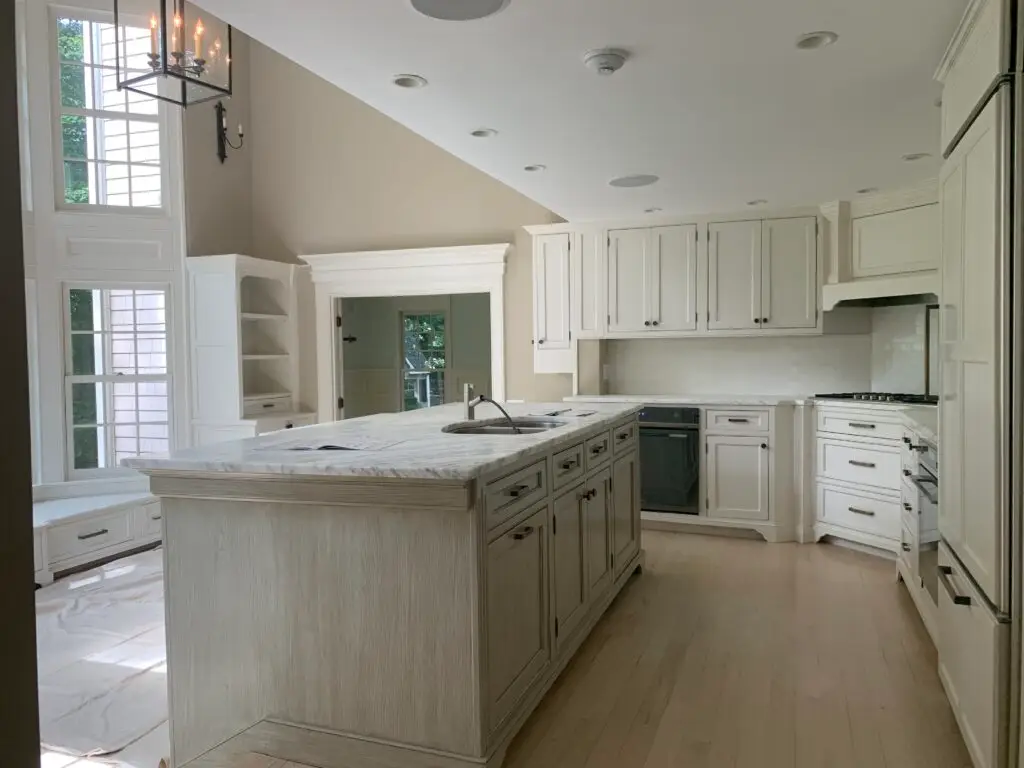
Painting kitchen floor tiles can be a great way to refresh your kitchen without the high cost of a full-scale renovation. While it offers a dramatic change, it’s a project that requires careful preparation and the right materials to ensure a durable, long-lasting finish.
Is Painting Floor Tiles a Good Idea?
Painting floor tiles is a viable option for a cosmetic update, but it’s important to understand the trade-offs.
Pros of Painting Tiles
- Cost-Effective: It’s significantly cheaper than replacing your entire floor.
- Quick Transformation: You can change the look of your kitchen in just a weekend.
- Customizable: You have a wide range of color and design options to choose from.
Cons and Durability Issues
Painted floors are not as durable as tile. They are more susceptible to scratches, chips, and peeling, especially in high-traffic areas like a kitchen. The results are temporary, and the floor may need to be repainted every few years to maintain its appearance.
Best Paint Types for Tile Floors
Choosing the right paint is the most critical step for success.
Epoxy Paints
Epoxy paint is the best choice for this project. It is a two-part paint that creates a hard, durable, and waterproof finish. It’s highly resistant to stains and is strong enough to withstand foot traffic.
Oil-Based or Latex Options
For a less-durable but more cost-effective option, some people use porch and floor paint, which is often oil-based or a specialized latex. While they are designed for floors, they won’t offer the same level of durability as a true epoxy.
Step-by-Step Guide to Painting Kitchen Tiles
Cleaning and Sanding Tiles
- Clean Thoroughly: Remove all grease, dirt, and grime from the tiles and grout. Use a heavy-duty cleaner and a scrub brush. The surface must be immaculate for the paint to adhere properly.
- Lightly Sand: Use a fine-grit sandpaper (around 220-grit) to lightly scuff the surface of the tiles. This creates a “tooth” for the primer to grab onto. Wipe away all dust after sanding.
Applying Primer
Apply a high-quality bonding primer designed for non-porous surfaces. This is a crucial step that ensures the paint sticks to the glossy tile. Allow it to dry completely according to the manufacturer’s instructions.
Painting and Sealing for Protection
Apply the first coat of your chosen floor paint using a roller for the main areas and a brush for the edges and grout lines. After the first coat is dry, apply a second coat. Once both coats are dry, apply a clear, water-based polyurethane sealer to protect the finish.
Design & Style Options
Solid Colors
A solid color, such as a crisp white or a dark gray, can give your kitchen a clean, modern look.
Stencils and Patterns
For a more creative look, use stencils to create a pattern. This is a great way to mimic the look of more expensive patterned tiles.
Faux Grout Painting
You can also paint the grout lines a different color after the main tile color has dried to make the tiles stand out.
Alternatives to Painting Kitchen Floor Tiles
Tile Refinishing
This is a professional process that involves applying a durable coating. It’s more expensive than painting but typically offers a more robust and longer-lasting finish.
New Flooring Installation
For a permanent solution, the best option is to install new flooring. This could be new tile, luxury vinyl plank (LVP), or another material that is better suited for the high-traffic demands of a kitchen.
Whether you’re looking for a quick update or a full transformation, contact Anderson’s Painting today for a free consultation and professional advice on your next project.