
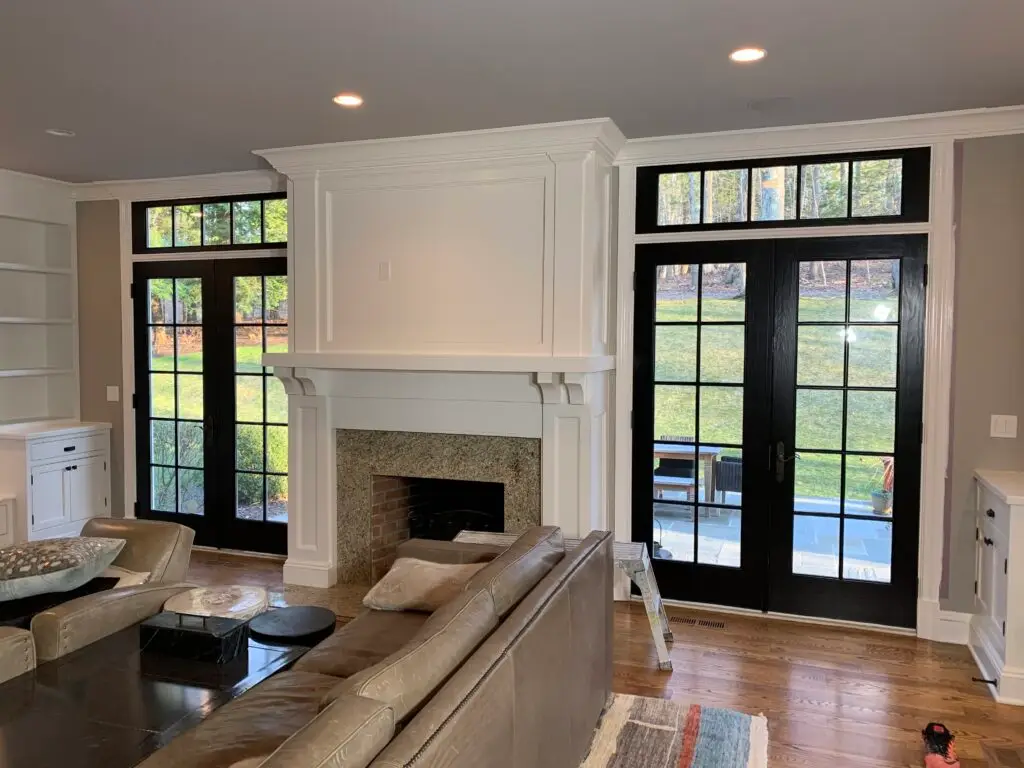
The answer is a resounding yes. Painting window frames black is one of the quickest and most effective ways to update a home’s exterior and interior aesthetic, offering a sleek, modern, and often industrial look. However, achieving a durable black finish—especially on exterior-facing frames—requires careful consideration of materials and paint quality.
Yes—Painting Window Frames Black Is Possible and Popular
Black is a timeless color that provides immediate contrast, framing the view and adding a sense of architectural structure to any room or façade.
Why Black Frames Are Trending
- Modern Aesthetics: Black frames align with modern, minimalist, and Scandinavian design principles.
- Visual Contrast: They create a powerful contrast against light-colored walls or siding, making the window look larger and more impactful.
- Hiding Imperfections: Black is highly effective at obscuring minor dirt, dust, and small imperfections that often plague white or light-colored frames.
What to Expect in Terms of Durability
The primary durability concern with black paint is its ability to absorb heat. Dark colors absorb significantly more UV radiation, leading to higher surface temperatures.
- Wood and Aluminum: These materials handle the increased heat exposure well, making durability primarily dependent on the paint quality.
- Vinyl (PVC) Frames: High heat can cause vinyl to soften, warp, or pull apart at the seams. It is mandatory to use a “vinyl-safe” or “cool-pigment” black paint on PVC frames. These formulas contain specialized pigments that reflect UV rays, keeping the surface temperature lower than standard dark paint.
Best Paint Types for Black Window Frames
Choosing the right paint is crucial for resisting fading, chalking, and heat damage.
Matte vs. Satin Finish
The sheen you choose impacts both the appearance and the longevity of the black color.
- Matte (Flat) Finish: Provides a deep, sophisticated, and contemporary look with zero glare. However, matte finishes are generally less durable, show chalking (fading) sooner, and are harder to clean.
- Satin or Semi-Gloss Finish: Recommended for exterior frames. The higher resin content in these sheens provides a harder, more protective surface. They are easier to wipe clean, resist fading (chalking) for longer, and stand up better to temperature cycles and weather. They offer a subtle, clean reflection without being overly glossy.
Exterior-Grade Acrylic or Enamel
The black topcoat must be a premium, 100% exterior-grade coating.
- Acrylic Latex: Offers excellent flexibility, which is necessary for frames that expand and contract with temperature changes. Look for a high-quality product specifically engineered for adhesion and UV resistance.
- Enamel (Urethane- or Alkyd-based): Provides a very hard, durable shell and a factory-smooth look. Enamels require more careful application and ventilation but deliver superior hardness.
Heat-Resistant Paint for Sun-Exposed Windows
If you are painting vinyl frames that receive heavy, direct sun exposure, you must choose a paint that uses infrared (IR) reflective pigments. Many major paint brands now offer lines specifically labeled “vinyl-safe” or “solar reflective” colors. These are the only safe option for long-term vinyl frame painting.
How to Prep Frames for a Black Finish
Preparation is always key, but for deep black, prep is vital to ensure a uniform color that doesn’t bleed through or look patchy.
Cleaning and Sanding
Follow the standard procedure for your frame material (aluminum, wood, or vinyl):
- Cleaning: Use a powerful degreaser (like TSP substitute or denatured alcohol) to eliminate all oil, wax, and surface contaminants.
- Sanding: Lightly scuff the surface with 220-320 grit sandpaper to create adhesion for the primer. Clean up all dust with a tack cloth.
Using Primer to Prevent Bleed-Through
Primer is mandatory, especially when covering light-colored frames with black paint.
- Tinted Primer: Use a gray or black-tinted primer before applying the final black topcoat. A white primer requires more coats of black paint to achieve a deep, non-streaky finish, and risks a lighter color bleeding through if the paint scratches. Tinting the primer ensures a rich, dark base for the final coat.
- Bonding Primer: Always use a specialized bonding or etching primer appropriate for the frame material (e.g., self-etching for aluminum, high-adhesion bonding primer for vinyl).
Achieving Sharp Edges with Painter’s Tape
Black frames rely heavily on razor-sharp lines where the frame meets the glass or the wall.
- Press Tape: Use a high-quality painter’s tape and press it down firmly along the edge of the glass using a plastic putty knife or your finger to seal the line and prevent paint seepage.
- Liquid Edge Seal (Optional): For the ultimate clean line, apply a very thin coat of clear caulking or the primer color along the edge of the tape where it meets the glass. Let this dry completely before applying the black paint. This acts as a barrier to stop the black paint from bleeding underneath.
FAQs About Painting Frames Black
“Will black paint make frames hotter?”
Yes, black paint significantly increases the surface temperature of the material due to greater solar absorption.
- On wood and metal, this is usually fine, but it accelerates the frame’s expansion and contraction.
- On vinyl, it poses a warping risk. You must mitigate this by using a “vinyl-safe” paint with reflective pigments.
“Will the color fade over time?”
All exterior paints fade due to UV exposure, a process called chalking (where the paint binder breaks down, leaving a powdery residue). Black shows this effect quickly. To maximize longevity:
- Choose a Premium Paint: Invest in high-end exterior acrylics with maximum UV resistance.
- Use Higher Sheen: A satin or semi-gloss finish is far more durable than a flat/matte finish.
- Apply Two Topcoats: Two thin coats provide better UV protection than one thick coat.
“Is black suitable for vinyl, wood, and aluminum?”
Black paint is suitable for all three materials, provided you adjust the primer and product choice:
| Material | Primer Requirement | Topcoat Requirement |
| Wood | Standard exterior wood primer (tinted gray/black) | Premium exterior 100% acrylic. |
| Aluminum | Self-etching or bonding primer (tinted gray/black) | Premium exterior enamel or acrylic. |
| Vinyl (PVC) | High-adhesion bonding primer (tinted gray/black) | MANDATORY: Vinyl-safe, cool-pigment acrylic paint. |
Achieving that dramatic black window look is highly rewarding. By respecting the rules of heat management and using tinted primers, you ensure your new frames look sharp for years to come.
Ready to transform your home with modern black frames? Anderson’s Painting specializes in these high-contrast finishes. Schedule your consultation today!