
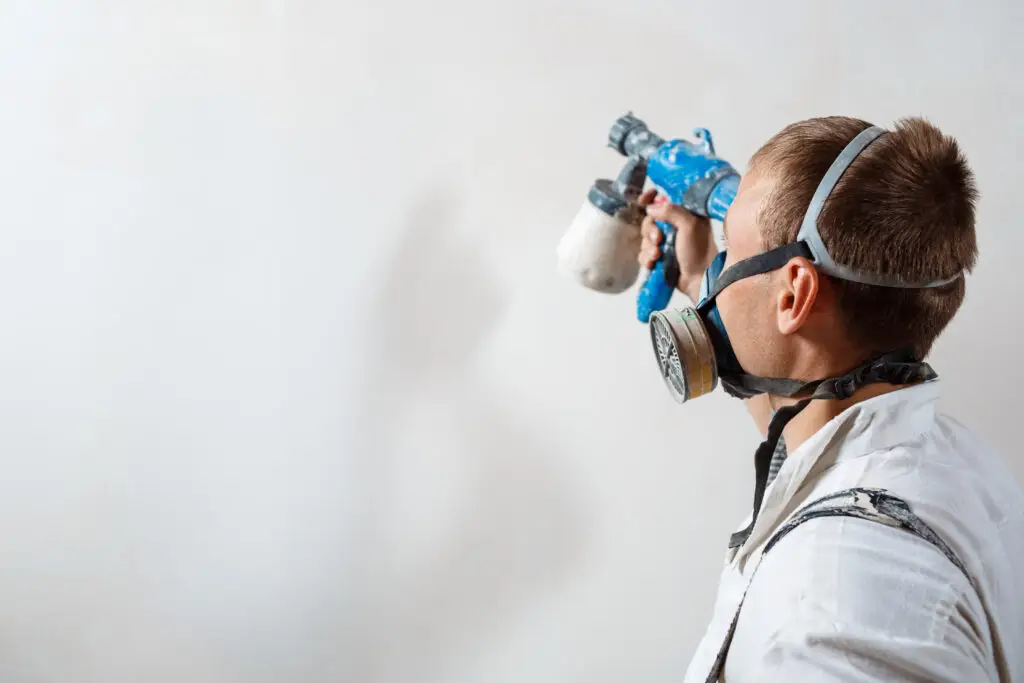
As the seasons shift and temperatures drop across the United States, homeowners and contractors alike face a common dilemma: can you continue spray painting projects when the air turns crisp? Whether it’s an interior renovation or a final exterior touch-up before the deep freeze, understanding the science of paint curing in cold weather is essential for a professional finish.
At Anderson’s Painting, we know that timing is everything. While it is possible to spray paint in cold weather, it requires a specific set of conditions and technical expertise to avoid a costly failure.
Quick Answer: Yes—But Only Under the Right Conditions
The short answer is yes, you can spray paint in the cold, but “cold” is a relative term in the painting industry. Most standard paints are formulated to be applied in temperatures above 50°F (10°C).
Minimum Temperature Requirements for Spray Painting
For traditional latex and oil-based paints, the magic number is usually 50°F. However, modern chemical engineering has introduced “low-temperature” paints that can be applied in temperatures as low as 35°F. It is crucial to remember that this temperature requirement applies to both the air and the surface being painted. If the wall is 40°F but the air is 50°F, the paint will likely fail to bond.
Why Cold Weather Causes Adhesion and Drying Problems
Paint relies on the evaporation of solvents (water or chemicals) to form a solid film. In cold weather, this evaporation slows down significantly.
- Adhesion: If the surface is too cold, the paint thickens (increases in viscosity) before it can penetrate the pores of the substrate, leading to a weak bond.
- Coalescence: Paint molecules need warmth to “fuse” together. In the cold, they stay separated, resulting in a brittle layer that won’t last.
What Happens When You Spray Paint in the Cold?
Spray painting is particularly sensitive to temperature because the paint is atomized into tiny droplets. These droplets lose heat rapidly as they travel from the nozzle to the surface.
Slow Curing and Uneven Finish
When paint takes too long to dry, it remains “tacky” for hours or even days. This extended wet time allows dust, lint, and insects to become permanently embedded in your finish. Furthermore, the paint may sag or run because it hasn’t “set” quickly enough to hold its position on vertical surfaces.
Increased Risk of Cracking and Peeling
If the temperature drops below the freezing point before the paint has fully cured (which can take up to 48 hours), the water in the paint can freeze. This creates microscopic ice crystals that shatter the paint film from the inside out, leading to immediate cracking and peeling once it thaws.
Overspray and Texture Issues
Cold weather increases the viscosity of the paint, making it thicker. This often results in “fingers” in the spray pattern or a “heavy” texture (orange peel) because the sprayer has to work harder to atomize the thick liquid.
Ideal Temperature & Humidity for Spray Painting
To achieve a factory-like finish with a sprayer, you must balance the thermometer and the hygrometer.
Recommended Temperature Ranges
- Ideal: 60°F to 80°F.
- Acceptable: 50°F to 60°F (with standard products).
- Specialty: 35°F to 50°F (only with “Cold-Weather” specific formulas).
Why Humidity Matters as Much as Temperature
In the US, many regions experience high humidity during the winter months. If the humidity is above 85%, the air is too saturated to accept the moisture evaporating from the paint. This can cause “blushing” (a cloudy white haze on the surface) or prevent the paint from ever drying completely.
Professional Techniques for Cold-Weather Painting
If the job cannot wait for spring, professionals use specific strategies to “beat the chill.”
Heated and Controlled Environments
For interior work, we maintain a consistent temperature using the building’s HVAC system or portable space heaters. It is vital to keep the heat on for at least 24 hours after the job is done to ensure a deep cure. For exterior work, professionals often track the “sun path,” painting only the sides of the building currently receiving direct sunlight to take advantage of natural warmth.
Cold-Weather Paint Products
Many leading US paint manufacturers offer specialized lines designed for low-temp applications. These paints contain special resins and coalescents that allow the film to form even when the thermometer dips toward 35°F.
Timing Coats Correctly
In summer, you might recoat in 2 hours. In winter, you may need to wait 24 hours between coats. Rushing the second coat over a “dry-to-the-touch” but uncured base coat will trap moisture and cause the entire system to bubble or slide off the wall.
FAQs
What’s the coldest temperature you can spray paint?
Generally, 35°F is the absolute limit for specialized low-temp paints. For standard off-the-shelf spray cans or latex paint, you should not go below 50°F.
Can you spray paint indoors in winter?
Yes, provided you have adequate ventilation and can maintain the room temperature at 60°F or higher. Remember that even if it’s warm inside, the exterior-facing walls might be much colder.
Is brushing better than spraying in cold weather?
Brushing can sometimes be more forgiving because the physical action of the brush “works” the paint into the surface, aiding adhesion. However, spraying is still superior for a uniform finish, provided the paint is warmed to room temperature before being put into the sprayer.
Don’t Let the Cold Ruin Your Investment
Painting in the off-season requires a level of precision that only experience can provide. Don’t risk a peeling, cracked finish by guessing the weather.
Ready to transform your space, regardless of the season?
Contact Anderson’s Painting today for a professional consultation. Our team uses the latest low-temp technology and climate-control techniques to ensure your project looks perfect, rain or shine—warm or cold.
Click Here to Get Your Free Estimate Today!