
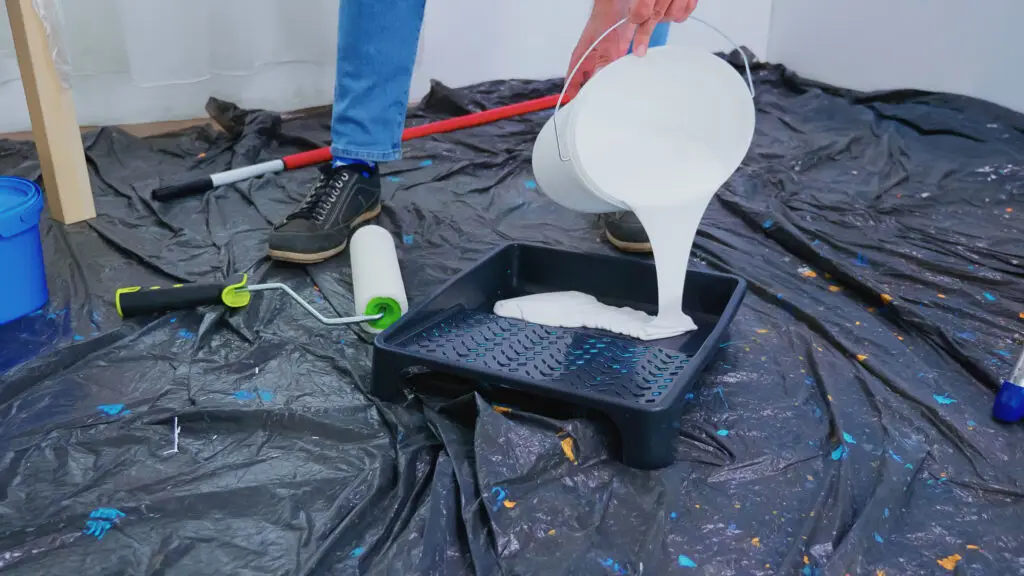
Chalk paint has revolutionized the DIY and furniture refinishing industry, primarily due to its signature velvety finish and its reputation for skipping tedious prep work. While marketed as a simple, no-fuss option, achieving a durable, professional-looking finish requires understanding its unique composition and the critical role of sealing. This guide breaks down everything a homeowner needs to know about working with chalk paint.
What Is Chalk Paint?
Chalk paint is a decorative paint known for its unique binding agents, which give it a distinct texture and performance characteristics. Unlike standard latex paint, which is designed for walls, chalk paint is specifically formulated for furniture and decorative accents.
The Matte, Velvety Look and Why People Love It
The primary appeal of chalk paint is its finish. When dried, it has an ultra-matte, highly porous appearance that absorbs light rather than reflecting it.
- Velvety Texture: It feels soft and velvety to the touch. This texture is ideal for creating a rustic, distressed, or aged aesthetic, often referred to as French Country or Shabby Chic.
- High Pigmentation: Chalk paint is highly pigmented, allowing it to cover dark or existing wood tones very efficiently, often requiring fewer coats than traditional paint.
- Easy Distressing: Because the paint film is porous and easily sanded, it is the ideal medium for distressing techniques. Light sanding along edges or carvings instantly removes the top layer of paint, revealing the original wood or a previous color beneath, giving the piece a naturally worn look.
Best Projects: Furniture, Cabinets, Decor
Chalk paint excels on projects where aesthetics and ease of application are prioritized over maximum industrial durability.
| Ideal Projects | Why Chalk Paint Excels |
| Wood Furniture (dressers, side tables, headboards) | Its ability to adhere without sanding is a huge time-saver. Excellent for achieving distressed or multi-layered color effects. |
| Decorative Accessories (picture frames, lamps, pottery) | It adheres to non-porous materials like glass, metal, and plastic, making it versatile for small decor items. |
| Kitchen/Bathroom Cabinets (with caution) | Provides a beautiful matte finish, but requires the use of a highly durable, water-resistant polyurethane topcoat (not wax) to withstand moisture and grease. |
Do You Need to Sand or Prime First?
The main selling point of chalk paint is the promise of “no prep.” While it’s true that chalk paint adheres remarkably well to many surfaces, skipping preparation entirely is often a shortcut to paint failure.
When You Can Skip Prep
You can generally skip sanding and priming on the following surfaces:
- Previously painted surfaces: If the existing paint is dull, matte, and adhered well (not peeling or flaking).
- Raw, unfinished wood: Chalk paint will soak in perfectly, but you may need an extra coat.
- Sealed/stained wood: If the existing clear coat is dull and relatively matte.
In these cases, a simple thorough cleaning is often enough.
When You Should Not Skip Prep (Glossy Surfaces, Laminates)
Preparation is absolutely necessary to ensure proper adhesion, prevent bleed-through, and achieve longevity:
- High-Gloss Finishes (Polyurethane, Enamels): Glossy surfaces must be scuff-sanded (lightly sanded with 180-220 grit) to dull the surface and create a mechanical profile for the paint to grip.
- Laminates and Melamine: These non-porous, slick surfaces require a specialized bonding primer (often a shellac or oil-based product) designed for glossy or slick surfaces to ensure the paint doesn’t peel later.
- Oily Woods (e.g., Pine, Oak with knots): Certain woods, especially those with visible knots or heavy tannins, will cause yellow or brown stains to bleed through the paint finish over time. In these cases, you must apply a coat of stain-blocking shellac primer before painting.
Do You Need to Seal Chalk Paint?
Yes. Chalk paint is not durable until it is sealed. The dried paint film is porous, meaning it will stain easily, scratch, and break down quickly with moisture or repeated touching. Sealing is a non-negotiable step.
Wax vs. Poly/Acrylic Topcoat (Durability and Water Exposure)
The choice of sealant depends entirely on how the piece will be used.
| Sealant Type | Best For | Durability Profile | Application Notes |
| Soft Wax | Low-touch decor, bedroom furniture (dressers, headboards). | Medium. Protects against light wear, gives a beautiful soft sheen. Not water-resistant. | Easy to apply, but requires re-waxing every 6-12 months. Slow cure time (up to 30 days). |
| Polyurethane / Acrylic Varnish | Kitchen cabinets, dining tables, high-traffic surfaces. | High/Industrial. Offers a hard, waterproof, and heat-resistant barrier. | Comes in Matte, Satin, or Gloss. Water-based formulas dry fast and don’t yellow. |
High-Touch Surfaces (Tables, Kitchen Use, Kids/Pets)
For any surface that will experience heavy use, water spills, or aggressive cleaning (such as kitchen cabinetry, dining tables, or children’s furniture), always use a water-based polyurethane or acrylic topcoat. Wax is not suitable for these applications, as heat and water will break it down quickly, leading to staining and white rings.
Common Problems and How to Avoid Them
Streaking and Brush Marks
Cause: Applying paint too thickly, or using the wrong type of brush.
Solution:
- Water Down: Add a small amount of water (5-10%) to the paint to thin it slightly. Chalk paint is naturally very thick.
- Use Quality Brushes: Use a high-quality synthetic brush (for a smoother finish) or a specialty round chalk paint brush (for texture).
- Light Coats: Apply multiple thin, even coats rather than one thick coat.
Staining and Water Rings
Cause: Failing to seal the paint, or using wax on a surface exposed to water/heat.
Solution:
- Use Polyurethane: On any surface that might encounter condensation (coasters, glasses) or heat (kitchen counter area), use a water-based polyurethane varnish.
- Wax Curing: If using wax, understand it takes up to 30 days to fully cure and harden. Treat the furniture with extreme care during this time.
Chipping on High-Use Edges
Cause: Poor adhesion on slick surfaces, or failing to use a durable topcoat.
Solution:
- Sanding: Always scuff sand glossy edges before applying paint.
- Bonding Primer: Use a bonding primer on highly slick areas (laminate edges, plastic hardware).
- Use Enamel Topcoat: On cabinet doors or drawer fronts that are constantly handled, finish with an acrylic enamel clear coat for maximum protection against impact and oils from hands.
FAQs
Can chalk paint go on cabinets?
Yes, chalk paint can go on cabinets, but the success depends entirely on the topcoat. The process involves:
- Deep Cleaning: Thoroughly clean all cabinets to remove grease and kitchen grime.
- Scuff Sanding: Lightly sand the existing finish.
- Painting: Apply two to three thin coats of chalk paint.
- Sealing (CRITICAL): Apply two to three coats of a high-quality, water-based polyurethane or acrylic varnish. Never use soft wax on kitchen cabinets due to moisture and cleaning requirements.
How long before you can use the furniture?
You can generally handle the furniture gently and place it back in the room within 24–48 hours after the topcoat is applied. However, the furniture is not fully protected until the sealant has cured:
- Polyurethane: Typically fully cured in 7 days.
- Wax: Takes 21 to 30 days to fully harden. Avoid placing heavy items or liquids on a waxed surface during this period.
What’s the best sealer for a kitchen table?
The best sealer for a kitchen table is a water-based polyurethane varnish (or an equivalent acrylic varnish) in a durable finish like Satin or Semi-Gloss. This type of sealer creates a hard, durable, and waterproof plastic barrier that can withstand hot/cold moisture, scratching, and daily cleaning, which wax cannot provide.
Ready to transform your furniture with the perfect matte finish?
Choosing the right sealant is often the difference between a quick-fix and a lasting masterpiece.
Contact our experts today for personalized advice on chalk paint techniques and sealant selection for your specific project!