
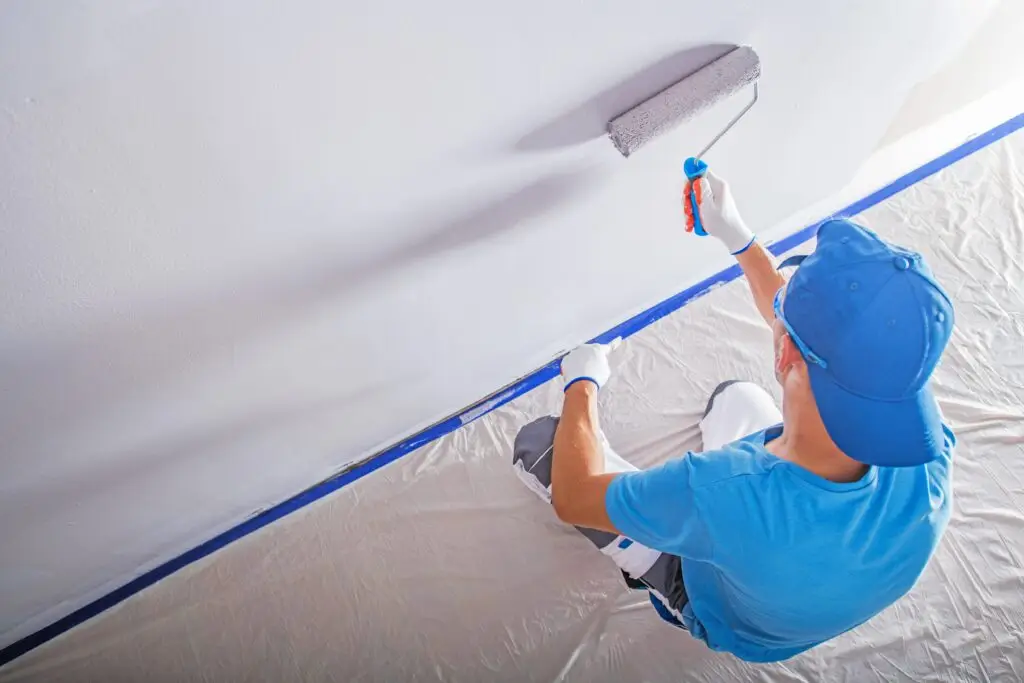
For a business, interior painting is more than just a cosmetic upgrade; it is an essential part of facility maintenance and employee morale. A fresh, professional interior environment can increase productivity, improve customer trust, and ensure that your property remains compliant with local health and safety regulations.
At Anderson’s Painting, we understand that commercial projects require a different level of precision and logistical planning than residential ones. Here is what every business owner and facility manager should know before starting an interior painting project.
What Is Commercial Interior Painting?
While the basic concept of applying paint to a wall remains the same, the scope and requirements of commercial work are significantly more demanding.
How it Differs From Residential Painting
Residential painting focuses on personal aesthetics and comfort. Commercial interior painting, however, focuses on performance and durability. In a commercial setting, walls are subject to much higher traffic, equipment scuffs, and frequent cleaning. We use industrial-grade coatings designed to withstand these rigors, often requiring specialized application techniques that go beyond a standard brush and roller.
Types of Commercial Spaces Painted
Our commercial interior services cater to a wide variety of industries across the United States:
- Corporate Offices: Focusing on professional color schemes and sound-dampening coatings.
- Retail Spaces: Requiring high-visibility finishes that make products stand out.
- Healthcare Facilities: Utilizing specialized antimicrobial and low-VOC (Volatile Organic Compound) paints to maintain sterile environments.
- Educational Institutions: Using high-durability, washable paints in hallways and classrooms.
- Warehouses and Industrial Units: Focused on safety markings and protective coatings for structural elements.
The Commercial Interior Painting Process
A successful project is built on a foundation of rigorous planning. Because time is money for any business, we follow a strict multi-step process.
Planning and Scheduling
We begin with a thorough walkthrough to identify specific needs. This includes choosing the right paint for each room’s function and creating a timeline that minimizes downtime. In many cases, this involves a phased approach—painting one wing or floor at a time so the business can remain operational.
Surface Prep and Protection
In an office or retail environment, we take extreme care to protect your assets. This includes:
- Moving and covering office furniture and electronics with anti-static plastic.
- Repairing drywall, filling cracks, and sanding surfaces to ensure a smooth finish.
- Applying high-adhesion primers to surfaces like metal door frames or plastic trim.
Application Methods and Cleanup
Depending on the space, we use airless sprayers for high-efficiency coverage on ceilings or large open walls, and traditional methods for detailed trim work. Once the paint is dry, we perform a deep clean, ensuring that the only sign of our presence is the beautiful new finish on your walls.
Benefits of Professional Commercial Painting
Hiring a specialized commercial contractor provides advantages that general handymen or residential painters cannot match.
Minimal Disruption to Operations
Professional commercial painters are experts at “stealth” work. We understand how to coordinate with your staff to ensure that painting doesn’t stop your workflow. This includes the use of fast-drying paints that allow a room to be occupied shortly after the job is finished.
Durable, Washable Finishes
In U.S. commercial buildings, maintenance teams often use harsh cleaning chemicals. We utilize scuff-resistant and high-scrub finishes (often in eggshell or semi-gloss) that allow your janitorial staff to wipe away marks without damaging the paint film.
Code and Safety Compliance
Commercial buildings are subject to strict safety regulations. We ensure that all paints meet low-VOC standards to protect indoor air quality. Additionally, we handle the application of safety-critical coatings, such as fire-retardant paints or high-visibility floor markings required by OSHA.
When Should a Business Repaint?
Knowing when to invest in a repaint can save you money on more extensive repairs down the road.
Wear and Tear Signs
If you notice “ghosting” (dark patterns on walls), peeling near vents, or visible scuffing in high-traffic hallways, the protective layer of the paint has failed. Leaving these issues unaddressed can lead to damage to the underlying drywall or masonry.
Rebranding or Renovations
Modernizing your brand often requires a new color palette. If you are updating your logo or furniture, the walls must follow suit to create a cohesive professional image. A simple color change is the most cost-effective way to make an old office feel like a brand-new facility.
FAQs
Can painting be done after hours?
Absolutely. Most commercial projects are scheduled during evenings, weekends, or holiday breaks to ensure that your business day is never interrupted.
How long does commercial interior painting take?
This varies by square footage, but a standard floor of an office building can often be completed in a single weekend. Our “phased” approach allows us to give you a predictable schedule for each section of your building.
What paint types are best for offices?
We recommend Low-VOC Acrylic Latexes for most offices. They have almost no odor, dry quickly, and offer excellent color retention. For high-traffic areas like lobbies, we suggest specialized scuff-resistant coatings.
Ready to Refresh Your Workspace?
A clean, modern interior is a sign of a thriving business. Whether you are managing a small boutique or a massive corporate headquarters, Anderson’s Painting has the expertise to deliver a flawless finish with zero headaches.
Don’t let faded walls dull your brand’s potential. Get a Free Estimate for Your Commercial Interior Project with Anderson’s Painting Today