
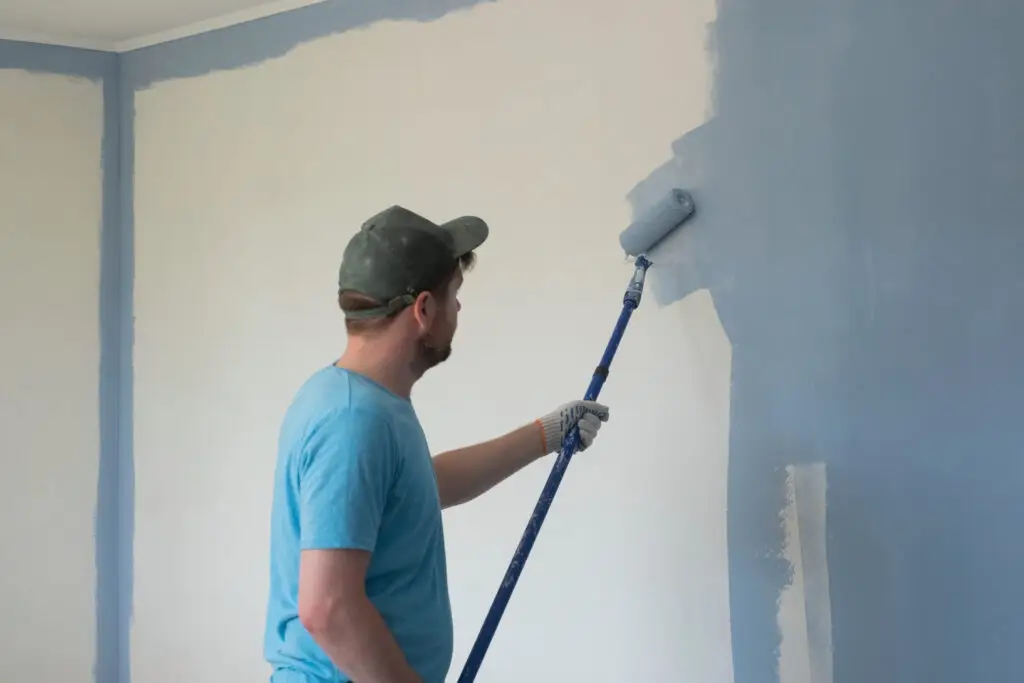
When a business begins budgeting for a facility refresh, one of the most common questions is: “What is this actually going to cost?” Unlike residential painting, which is often straightforward, commercial office painting involves a complex set of variables ranging from logistical hurdles to the specific square footage of vertical surfaces.
At Anderson’s Painting, we believe in transparency. Understanding the components of a commercial quote allows business owners to make informed decisions that balance aesthetic quality with long-term ROI.
Average Commercial Office Painting Costs
Estimating a commercial project is an exact science that accounts for labor, materials, and overhead. In the United States, commercial painting costs are typically calculated using a few different metrics depending on the project’s scope.
Cost Per Square Foot
For most commercial office interiors, pricing generally ranges from $2.00 to $6.00 per square foot of wall space. It is important to distinguish between floor square footage and wall square footage. A 2,000-square-foot office floor plan may have 6,000 square feet of paintable wall surface once you account for hallways, cubicle alcoves, and private offices.
Some contractors may also quote by the linear foot for trim and baseboards, or a flat day rate for smaller touch-up projects.
Why Office Pricing Differs from Retail or Industrial Spaces
- Retail: Often features large, open “big box” layouts with high ceilings that allow for rapid spray application, which can lower the cost per square foot.
- Industrial: Focuses on specialized protective coatings (epoxies, urethanes) where material costs are higher but aesthetic detail is lower.
- Office Spaces: These are often the most detailed. They involve navigating around expensive electronics, high-end furniture, and intricate trim work. The need for “cut-in” work around windows and door frames makes office painting more labor-intensive than a warehouse.
Key Pricing Factors
Several variables can shift an estimate toward the lower or higher end of the spectrum.
Office Size and Ceiling Height
Standard 8-foot or 9-foot ceilings are the baseline. However, modern “industrial-chic” offices with exposed 15-foot ceilings or grand lobbies with soaring heights require scaffolding or specialized lifts. The additional time needed for safety setup and working at heights will increase the total labor cost.
Number of Rooms and Wall Complexity
A large open-concept floor plan is faster (and cheaper) to paint than a floor divided into twenty small private offices. Each additional room adds corners, door frames, and “starts and stops” for the crew, which naturally extends the project timeline.
Prep Work and Repairs
The “invisible” part of a quote is often the most important. If your office walls have significant damage from moved furniture, anchor holes from removed signage, or peeling paint from old leaks, the cost will reflect the hours needed for:
- Drywall patching and skimming.
- Sanding and “feathering” edges.
- Caulking gaps in baseboards and crown molding.
Paint Quality and Finish
While it may be tempting to save money on cheaper paint, commercial-grade products like Scuff-X or high-performance acrylics are designed specifically for U.S. office environments. These paints cost more per gallon but require fewer coats and last twice as long as standard residential paints, offering better value over a 5-year period.
Ways Businesses Can Control Costs
Smart planning can significantly reduce the impact of a painting project on your bottom line.
Phased Painting
Instead of closing the entire office, consider a phased approach. By painting one department or one floor at a time, you can maintain business continuity. While this may slightly increase the “per-visit” cost, it prevents the massive indirect cost of a total business shutdown.
Choosing Durable Finishes
In high-traffic areas like breakrooms and corridors, opting for a semi-gloss or eggshell finish is a cost-control strategy. These finishes are easier to clean, meaning you won’t have to repaint the entire wall just because of a few coffee spills or scuff marks.
Off-Hours Scheduling
In the U.S. commercial market, painting “after-hours” (nights and weekends) is standard. While some contractors charge a premium for graveyard shifts, the cost is often offset by the fact that painters can work much faster in an empty building without having to navigate around employees and customers.
FAQs
Is commercial office painting expensive?
“Expensive” is relative. Compared to a total renovation, professional painting is the most cost-effective way to improve a property’s value and employee satisfaction. Most businesses find that the cost of a professional job is easily justified by the increased lifespan of the surfaces and the professional image it projects to clients.
How often should offices be repainted?
On average, a professional office should be repainted every 3 to 5 years. High-traffic areas like lobbies and hallways may need touch-ups every 2 years to maintain a “Class A” office appearance.
Are estimates usually free?
Yes. Professional commercial contractors in the U.S. should provide a detailed, line-item estimate at no cost. This document should clearly outline the scope of work, the brands of paint to be used, and the projected timeline.
Get a Transparent Quote for Your Office Today
Your office environment is a direct reflection of your company’s standards. Don’t let a tired, scuffed interior send the wrong message to your clients or your team. At Anderson’s Painting, we specialize in high-efficiency office painting that respects your budget and your schedule.
Ready to see the numbers for your space?
Request Your Free, No-Obligation Commercial Estimate from Anderson’s Painting