
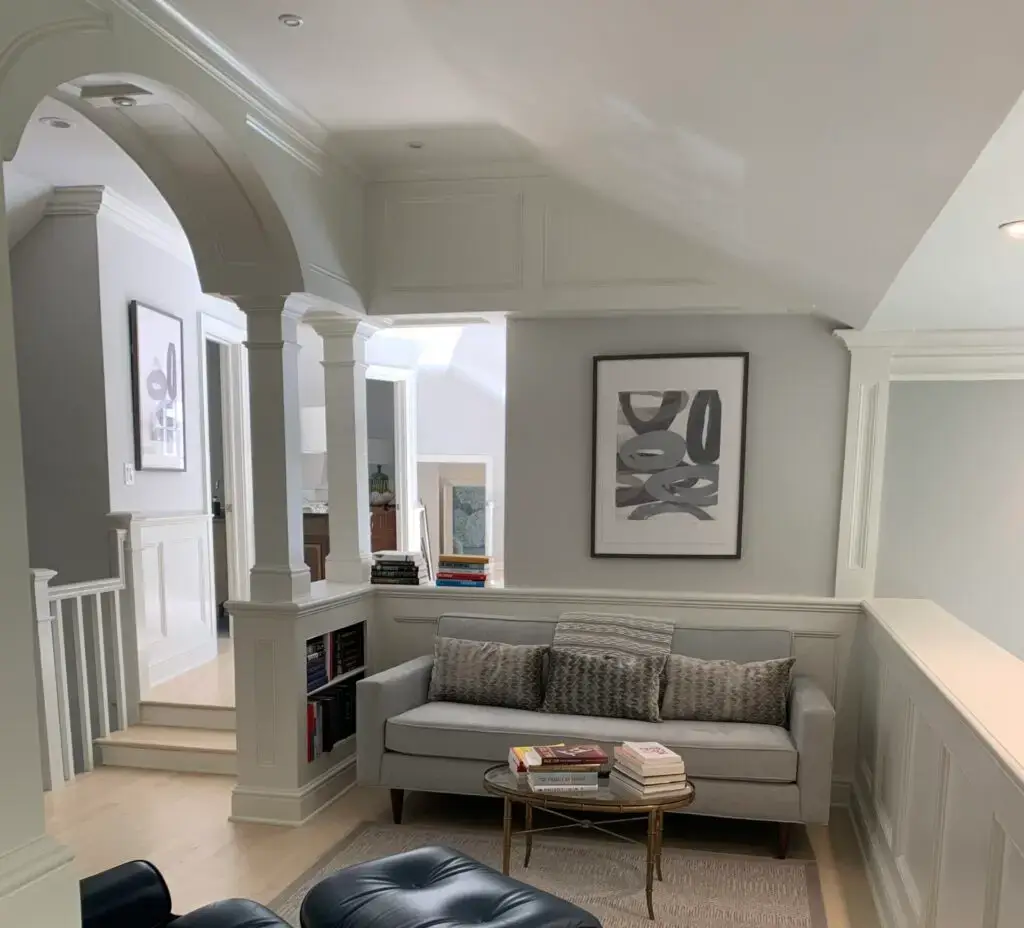
Drywall, or gesso acartonado, is a fundamental component of modern interior construction in Brazil, offering a smooth surface for painting and finishing. However, despite its widespread use and relative ease of installation, drywall is susceptible to various problems that can compromise the aesthetic and structural integrity of your walls and ceilings. Understanding these common issues, their causes, and effective prevention strategies is crucial for homeowners and professionals alike. Anderson’s Painting outlines the most frequent drywall problems you might encounter and provides essential tips to prevent them, ensuring a long-lasting and flawless finish for your home.
Cracks in drywall: Causes & fixes
Drywall cracks are among the most common and noticeable problems, often signaling underlying issues.
Causes:
- Foundation Movement or Settlement: This is a major culprit in Brazil, where soil conditions can lead to natural settling or shifting of a building’s foundation over time. This movement puts stress on the entire structure, leading to cracks, especially around door and window frames, or in stair-step patterns.
- Temperature and Humidity Changes: As building materials like wood framing and drywall expand and contract with fluctuations in temperature and humidity, stress can build, causing hairline cracks. This is particularly common in areas with significant seasonal changes or near HVAC vents.
- Poor Drywall Installation: Inadequate fastening (not enough screws or improperly spaced), improper joint taping, or not allowing for natural movement can lead to cracks along seams or in corners. Not staggering seams between sheets can also create weak points.
- Structural Overload: Placing excessive weight on upper floors or in attic spaces without proper structural support can cause the underlying framing to flex, leading to drywall cracks.
- New Home Settling: In newly constructed homes, the “green” lumber (undried wood) used in framing will dry out and shrink during the first year, causing minor hairline cracks as the house settles. These are generally benign.
Fixes:
- Identify the Cause: Before patching, determine the root cause. If it’s a structural or foundation issue, consult a professional engineer or foundation repair specialist. Patching cracks caused by ongoing structural movement is a temporary cosmetic fix.
- Small Hairline Cracks:
- Widen the crack slightly with a utility knife to create a V-groove.
- Fill with all-purpose joint compound using a small putty knife.
- Apply drywall tape (paper or mesh) over the crack (if wider than hairline) and embed it in a thin layer of mud.
- Apply two to three thin, feathered coats of joint compound, sanding lightly between coats.
- Larger or Recurring Cracks:
- Consider cutting out the cracked section of drywall and replacing it with a new piece, ensuring it’s properly screwed into existing studs.
- Tape and mud the new seams as you would for new drywall installation.
- For cracks stemming from foundation issues, professional foundation repair is the only lasting solution.
Check it out: How to repair drywall cracks?
Nail pops and screws pushing out
These are unsightly bumps that appear on drywall surfaces.
Causes:
- Wood Shrinkage: As wood studs dry out and shrink over time (especially in newer homes or with unseasoned lumber), they can lose their grip on the drywall nails or screws, causing them to protrude.
- Improper Fastening: Screws driven too deep (tearing the paper) or too shallow (not fully embedding) are more prone to popping. Nails, being less secure than screws, are more susceptible to popping.
- Drywall Movement: Minor building movement or changes in temperature/humidity can cause the drywall to flex slightly, pushing out fasteners.
Fixes:
- Secure the Fastener:
- For nail pops: Use a nail set and hammer to drive the nail head just below the surface of the drywall. Then, drive one or two new drywall screws (1-1/4 inch) 1 to 2 inches above and below the old nail, ensuring they hit the stud. The new screws will hold the drywall securely. Do not rely on simply re-hammering the old nail.
- For screw pops: If the screw is stripped, remove it. If not, gently tighten it until the head is just below the surface. Then, drive one or two new drywall screws 1 to 2 inches away from the original pop, ensuring they hit the stud.
- Patch and Finish:
- Cover the dimples created by the new screws (and the old nail/screw pop) with two to three thin, feathered coats of joint compound, sanding lightly between coats.
- Prime the patched area before painting.
Moisture damage and mold growth
Moisture in drywall’s worst enemy, leading to irreversible damage and health hazards.
Causes:
- Leaks: Roof leaks, plumbing leaks (behind walls), window leaks, or faulty flashing can saturate drywall.
- High Humidity: Prolonged high humidity in areas like bathrooms, kitchens, or basements without proper ventilation can lead to surface condensation and eventual moisture absorption.
- Flooding: Direct water exposure from floods.
Signs of Damage:
- Discoloration (yellow, brown, or black stains).
- Soft, mushy, or crumbling drywall.
- Bubbling or peeling paint/wallpaper.
- Musty odors (indicating mold).
- Visible mold growth (fuzzy, discolored patches).
Fixes:
- Address the Source: Immediately identify and repair the source of the moisture (fix the leak, improve ventilation).
- Remove Damaged Drywall: If the drywall is soft, crumbling, or has visible mold growth, it must be cut out and replaced. Mold can grow within 24-48 hours on wet drywall.
- Dry the Area: Use fans and dehumidifiers to thoroughly dry out the affected framing and surrounding areas for several days.
- Replace and Finish: Install new moisture-resistant (Placa RU) drywall in affected areas, especially bathrooms and kitchens.
- Mold Remediation: For extensive mold, consult a mold remediation specialist. Never paint over mold; it will continue to grow and can pose health risks.
Prevention:
- Fix Leaks Promptly: Regular inspections of roofs, plumbing, and windows can catch leaks early.
- Ensure Proper Ventilation: Use exhaust fans in bathrooms and kitchens during and after activities that generate moisture (showering, cooking).
- Control Humidity: Maintain indoor humidity levels between 30-50% using dehumidifiers in humid climates or basements.
- Use Appropriate Drywall: Install moisture-resistant (Placa RU) drywall in high-humidity areas.
- Proper Exterior Drainage: Ensure gutters and downspouts direct water away from the foundation.
Check it out: How to Repair Drywall Damaged by Water
Poor joint taping and uneven finishes
Visible seams, bumps, and ridges are often the result of insufficient drywall finishing.
Causes:
- Insufficient Mud: Not enough joint compound applied over seams or screw heads.
- Uneven Application: Mud applied too thick in some areas, or not feathered out smoothly.
- Rushing Drying Time: Not allowing each coat of mud to dry completely before applying the next or sanding.
- Inadequate Sanding: Not sanding enough to smooth out ridges, or over-sanding that creates dips.
- Poor Lighting: Trying to finish drywall in poor lighting, which hides imperfections.
- Skipping Primer: Primer seals the porous drywall and mud, preventing uneven paint absorption (“flashing”).
Fixes:
- Re-Mudding: For minor issues, apply additional thin, feathered coats of joint compound (using a wider knife) over the uneven areas, blending them into the wall.
- Skim Coating: For widespread unevenness, a full skim coat (a very thin layer of joint compound over the entire surface) can create a smooth canvas.
- Sanding: Once dry, sand thoroughly with fine-grit sandpaper, using a bright work light positioned parallel to the wall to highlight imperfections.
- Priming: Always apply a dedicated drywall primer/sealer after finishing and before painting to ensure a uniform surface for paint absorption.
Prevention:
- Patience and Thin Coats: Apply multiple thin coats of joint compound, allowing each to dry fully.
- Feathering: Always feather out the edges of each mud coat widely to blend seamlessly.
- Proper Tools: Use good quality taping knives of varying widths (6-inch, 10-inch, 12-inch) and a corner tool.
- Good Lighting: Use a strong work light to inspect your work from multiple angles during mudding and sanding.
- Practice: Drywall finishing is an art that improves with practice.
Signs of foundation movement
While not a drywall problem itself, drywall often provides the earliest visual cues of serious foundation issues.
Signs in Drywall:
- Diagonal or Stair-Step Cracks: Cracks that run diagonally up walls from door or window frames, or cracks that follow the mortar lines in brick veneer on the exterior, can indicate differential foundation settlement.
- Horizontal Cracks: Long horizontal cracks, especially near the ceiling or floor, can also be a sign.
- Bulging or Bowing Walls: If sections of drywall appear to bulge or bow inwards or outwards, it could indicate structural movement.
- Doors/Windows Sticking: Difficulty opening or closing doors and windows, or gaps appearing around their frames, can be related to wall distortion caused by foundation issues.
- Gaps Between Walls and Ceilings/Floors: Visible separation where walls meet ceilings or floors.
Prevention/Action:
- Monitor Cracks: If you observe new or widening cracks, especially those mentioned above, monitor them with a “crack monitor” (simple marked lines or specialized gauges) to see if they are active.
- Consult a Professional: For any signs of significant or recurring cracks potentially related to foundation movement, immediately consult a structural engineer or a specialized foundation repair company. Do not simply patch these cracks; the underlying issue must be addressed.
Preventative tips for long-term performance
Proactive measures ensure your drywall stands the test of time.
- Proper Installation: This is the most critical preventative step.
- Use Screws, Not Nails: Screws offer much better holding power and are less prone to popping.
- Correct Screw Depth: Ensure screws are driven just below the surface without breaking the paper.
- Stagger Seams: Never align all drywall seams on the same vertical line. Stagger them like brickwork.
- Leave Gaps: Allow 1/4-inch gaps at corners and 1/2-inch at the floor for expansion/contraction, covered by trim.
- Use Appropriate Drywall: Always use moisture-resistant (RU) drywall in bathrooms, kitchens, and laundries.
- Control Indoor Environment:
- Manage Humidity: Use dehumidifiers in humid seasons or areas, and exhaust fans in moisture-prone rooms.
- Maintain Stable Temperatures: Avoid extreme temperature swings in unused rooms.
- Immediate Leak Repair: Address any leaks (plumbing, roof, window) as soon as they are detected.
- Protect from Impact:
- Install doorstops to prevent door knobs from hitting walls.
- Be mindful when moving furniture or heavy objects.
- Proper Finishing: Always use a dedicated drywall primer/sealer before painting to ensure optimal paint adhesion and a uniform finish.
- Regular Inspection: Periodically inspect your walls and ceilings for any new cracks, discolorations, or signs of moisture. Early detection can prevent minor issues from becoming major problems.
By understanding and actively preventing these common drywall problems, you ensure a solid and beautiful foundation for your home’s interior, ready for a flawless paint finish from Anderson’s Painting. Contact us today!