
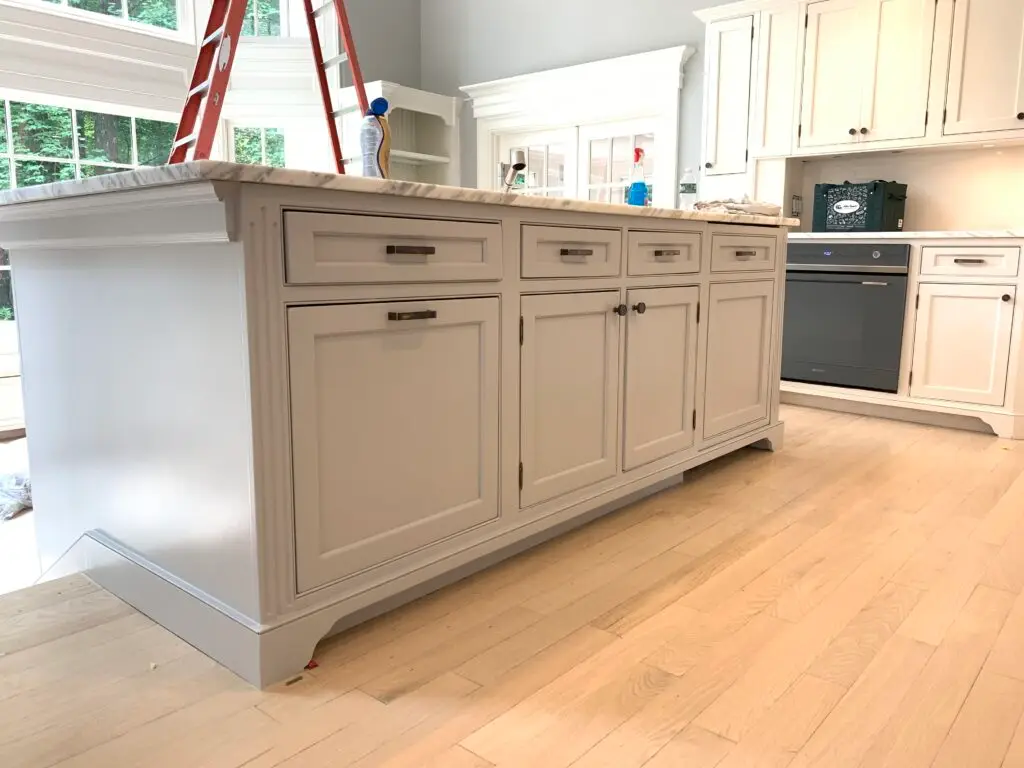
Repainting kitchen cabinets is one of the single most cost-effective renovations you can undertake, delivering the look of a brand-new kitchen without the demolition, disruption, or expense of a full cabinet replacement. However, unlike painting a simple wall, cabinet painting is an intensely specialized job requiring meticulous preparation, high-end materials, and specialized application techniques to achieve a durable, factory-like finish.
If you’re considering transforming your kitchen, here is a detailed breakdown of the costs involved in repainting kitchen cabinets in 2025.
Average Cost by Kitchen Size
Professional cabinet painters typically base their pricing on the linear foot (the length of the upper and lower cabinets combined) or by the total number of doors and drawer fronts. This allows for precise, predictable pricing regardless of the cabinet material.
Small Kitchens vs. Full Cabinet Sets
The size and layout of your kitchen are the primary cost drivers. The ranges below are estimates for professional services that include full prep, priming, and two topcoats of high-quality paint.
| Kitchen Size | Linear Feet Estimate | Average Professional Cost Range |
| Small (Galley/Apartment) | 10 – 15 LF | $1,800 – $3,500 |
| Average (Mid-Sized U or L) | 20 – 30 LF | $3,500 – $5,500 |
| Large (Full Sets + Island) | 30 – 45+ LF | $5,000 – $8,000+ |
Cost Per Linear Foot Breakdown
The industry average cost for professional cabinet repainting typically falls between $100 and $180 per linear foot (LF).
This linear foot price includes all labor and materials for:
- Removing doors and hardware.
- Thorough degreasing and cleaning.
- Sanding and patching.
- Applying primer and two coats of enamel.
- Reinstalling doors and hardware.
DIY vs. Professional Cabinet Painting
While DIY cabinet painting might save on the initial cost, the savings often come at the expense of time, durability, and finish quality.
Materials and Time Commitment
| DIY Painting | Professional Painting | |
| Upfront Cost | $500 – $1,000 (materials) | $3,000 – $8,000 (service) |
| Time Commitment | 5 – 10 days of active work | 3 – 5 days on site |
| Finish Quality | Brush/roller marks, potential drips | Smooth, factory-like finish |
Why Professional Finishes Last Longer
The key difference between a DIY result and a professional one lies in the application and cure process:
- HVLP Spraying: Professionals use High-Volume, Low-Pressure (HVLP) sprayers in controlled environments (often in their shop or a portable tent). This technique applies paint evenly and finely, eliminating brush marks and achieving the smooth, factory-finish aesthetic that is impossible to replicate with a brush or roller.
- Specialized Coatings: Professionals use commercial-grade, durable coatings, such as two-component polyurethanes or high-quality Waterborne Alkyd Enamels (like those from Sherwin-Williams or Benjamin Moore). These paints cure much harder and resist chipping, grease, and moisture far better than standard consumer-grade products.
Factors That Affect Pricing
The final quote for your cabinet project can fluctuate based on specific details and choices you make.
Paint Type, Prep Work, and Location
- Paint Quality: Moving from a standard latex enamel to a premium hybrid enamel can add $300 to $500 to the total cost, but this is a worthwhile investment in durability.
- Intensive Prep Work: If your cabinets are heavily caked in grease (common in kitchens over 15 years old) or if they require extensive wood filler repairs, the preparation time will increase the labor cost.
- Geographic Location: Labor rates are higher in metropolitan and high cost-of-living areas (like major coastal cities) than in rural or lower cost-of-living regions.
Spray vs. Brush Methods
A professional company that uses a spray method (which is the gold standard for cabinets) will typically charge more than a company that only brushes and rolls. While the brush/roll method is less costly, it sacrifices the smooth finish and long-term durability that spraying provides. Always confirm the application method before hiring.
Is Repainting Worth It?
When considering the cost, it’s essential to weigh it against the alternatives and the value it adds to your home.
Cost Savings vs. Full Replacement
Repainting is the clear winner for cost efficiency. If your current cabinet boxes are structurally sound, repainting allows you to update the entire look of your kitchen for typically 10% to 20% of the cost of a full demolition and replacement.
Return on Investment for Resale
Freshly painted cabinets offer one of the best returns on investment (ROI) in the kitchen. Buyers view updated kitchens as move-in ready. A modern color palette (like bright white or soft gray) achieved through professional painting instantly raises the perceived value of your home, making it a powerful selling point.
FAQs
How long does cabinet repainting take?
For a professional team, the entire process—from removal to final reinstallation—typically takes 3 to 7 days. This includes two main phases:
- On-Site Prep (1-2 days): Removing doors, cleaning, sanding, and painting the stationary cabinet boxes.
- Off-Site Painting/Curing (2-5 days): The doors and drawer fronts are professionally sprayed and cured in a controlled environment.
Should I replace hardware during repaint?
Yes, absolutely. Replacing outdated handles, pulls, and hinges is the perfect complement to a fresh paint job. New, modern hardware can instantly elevate the look from a basic repaint to a high-end renovation. If you plan to change the size or placement of the hardware, make sure to tell your painter during the prep stage so they can fill the old holes before priming and painting.
Investing in a professional cabinet repaint is investing in the longevity and beauty of your kitchen. Don’t compromise the foundation of your space with rushed prep or inferior paint.
Ready to get a precise quote for a flawless, factory-like cabinet finish? Contact Anderson’s Painting today for a detailed consultation and expert advice on transforming your kitchen!