
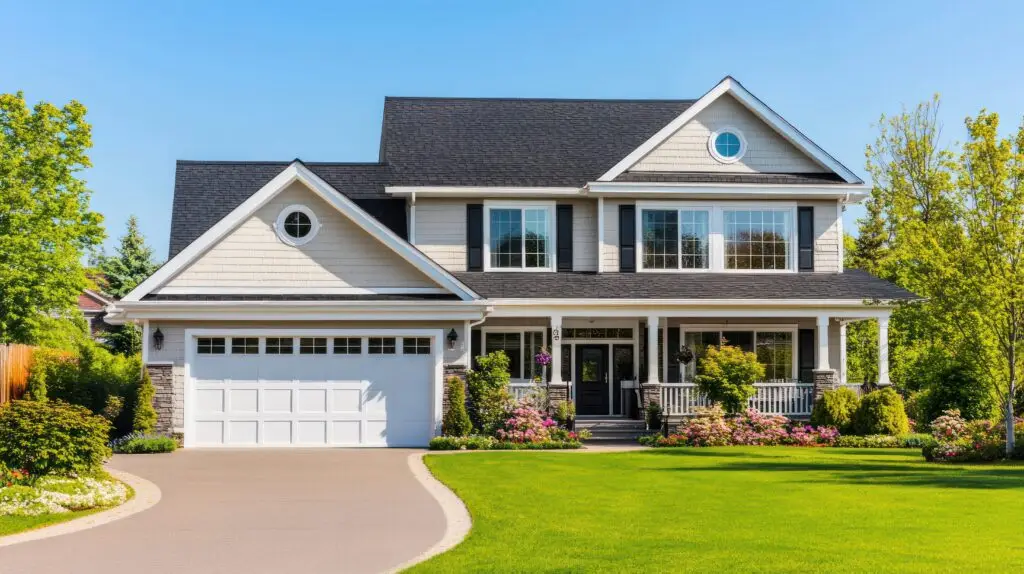
Your driveway is a significant part of your home’s exterior, experiencing constant wear from vehicles, foot traffic, and the elements. Over time, it can crack, stain, and fade, detracting from your home’s curb appeal. Painting or sealing your driveway is an excellent way for U.S. homeowners to refresh its look, protect its surface, and extend its lifespan. But choosing the right product and applying it correctly are crucial for a durable, attractive finish. Here’s a guide to the best driveway paint products and application tips.
Why paint your driveway?
Painting or applying a sealer to your driveway offers several key benefits:
- Enhanced Curb Appeal: A clean, well-maintained driveway significantly boosts your home’s overall aesthetic, making a great first impression.
- Protection from Elements: A protective coating shields your driveway from UV damage, water penetration, oil stains, and de-icing salts, which can cause cracking and deterioration.
- Extended Lifespan: By protecting the surface, paint or sealer can help prevent costly repairs and extend the life of your driveway material.
- Conceal Imperfections: It can cover up minor stains, discolorations, and small imperfections, giving your driveway a more uniform look.
- Increased Safety: Some coatings offer improved traction, especially in wet conditions.
Choosing the right surface (Asphalt vs. Concrete)
The type of driveway material dictates the kind of paint or sealer you should use.
- Asphalt Driveways: These are typically black and made from a mix of aggregate and bitumen. They are flexible and tend to crack less than concrete but can suffer from sun damage and oxidation. Asphalt driveways are usually sealed rather than painted with traditional paint, using specialized asphalt sealers or “driveway refreshers.”
- Concrete Driveways: These are rigid and typically light gray, but can be stained or painted in various colors. Concrete is porous and susceptible to cracking, spalling (flaking), and staining if not properly protected. You’ll use specialized concrete paints, stains, or sealers for these surfaces.
Important: Never use concrete paint on asphalt, or vice-versa, unless the product explicitly states it’s compatible with both.
Check it out: How to paint a concrete porch? Durable & slip-resistant results
Best paint types: Acrylic, epoxy, sealers
Selecting the right product for your specific driveway type and desired outcome is crucial for longevity and appearance.
- For Concrete Driveways:
- Acrylic Latex Concrete Paint: This is a popular choice for homeowners. It’s water-based, relatively easy to apply, comes in various colors, and offers good resistance to UV rays and mild traffic. It’s breathable, which is important for concrete.
- Epoxy Concrete Paint: A more durable and expensive option, often two-part (base and hardener). Epoxy provides an extremely tough, chemical-resistant, and long-lasting finish that can withstand heavy vehicle traffic, oil spills, and abrasions. It’s ideal for garages but also excellent for driveways where maximum durability is desired. It typically creates a glossy finish.
- Concrete Stains: Unlike paint, stains penetrate the concrete rather than forming a layer on top. They create translucent, natural-looking color effects that won’t chip or peel, but they don’t offer the same level of protection as paint or sealer. A clear sealer is often applied over stains.
- Clear Concrete Sealers: These don’t add color but provide excellent protection against moisture, stains, and UV damage, extending the life of the concrete. They come in various finishes (matte, satin, gloss).
- For Asphalt Driveways:
- Asphalt Sealers/Resurfacers: These products are specifically formulated for asphalt. They are typically black and designed to refresh the asphalt’s color, fill minor cracks, and create a protective barrier against water, sun, and chemicals. They are often coal-tar or acrylic-based. They are essential for maintaining asphalt driveways.
Preparation: Cleaning, patching, etching
Proper preparation is the most critical step for a successful and long-lasting driveway paint job. Skipping or rushing prep will lead to peeling and premature failure.
- Clear the Area: Remove all vehicles, debris, planters, and other items from the driveway.
- Deep Clean:
- Power Wash: Use a power washer to thoroughly clean the entire driveway surface. Remove all dirt, grime, mildew, algae, and loose particles.
- Degrease: For oil, grease, or rust stains, use a stiff brush and a heavy-duty concrete or asphalt degreaser/cleaner. Scrub vigorously, then rinse thoroughly. Crucial for adhesion!
- Allow to Dry: The driveway must be completely dry before proceeding, which can take 24-48 hours depending on weather.
- Patch and Repair:
- Fill Cracks: Use appropriate crack filler for asphalt or concrete to fill any cracks larger than hairline.
- Repair Potholes: Patch any potholes or significant depressions with asphalt or concrete repair mix.
- Allow to Cure: Let all repairs cure fully according to product instructions.
- Etching (for Concrete only):
- For smooth or new concrete, chemical etching with a muriatic acid solution (or a safer alternative concrete etcher) is often required. This opens up the concrete’s pores, creating a rougher profile for better paint adhesion.
- Always follow manufacturer instructions for etching products, wear protective gear, and rinse thoroughly.
Application steps: Primer, roller/spray technique
Once prepared, careful application ensures an even and durable finish.
- Check Weather: Plan your painting for a dry, mild period, ideally with temperatures between 50°F and 90°F (10°C and 32°C), and no rain in the forecast for at least 24-48 hours. Avoid direct, intense sunlight, which can cause paint to dry too quickly.
- Masking: Use painter’s tape to protect adjacent surfaces like garage doors, house siding, landscaping, and expansion joints.
- Primer (for Concrete Paint): If using concrete paint, a compatible primer is highly recommended, especially for new, bare, or heavily repaired concrete. Primer promotes adhesion and uniform coverage. Apply evenly and allow to dry.
- Application:
- Roller: For large areas, use a long-handled roller with a heavy-duty, high-nap roller cover designed for rough surfaces (e.g., 3/4″ to 1″ nap). Work in small, manageable sections.
- Brush: Use a brush for edges, corners, and tight spots.
- Squeegee (for Asphalt Sealer): Some asphalt sealers are applied by pouring and spreading with a squeegee.
- Spray (Professional/Larger Jobs): For very large driveways, professional painters may use airless sprayers, which provide a very even finish but require careful masking and technique.
- Two Thin Coats: Apply two thin, even coats rather than one thick coat. This provides better adhesion, durability, and a more uniform appearance. Allow ample drying time between coats as per product instructions (usually 4-8 hours).
Curing time & climate considerations
“Dry to touch” is not the same as “cured.”
- Foot Traffic: Most products allow light foot traffic within 24-48 hours after the final coat.
- Vehicle Traffic: Crucially, allow for full curing time before driving on the driveway. This can range from 3-7 days for acrylics and up to 7-10 days or more for epoxies or asphalt sealers, depending on temperature and humidity. Driving on a non-cured surface will cause tire marks, peeling, and permanent damage.
- Climate: Humidity slows curing, while warmth speeds it up. Always follow the manufacturer’s specific instructions for your chosen product, as they account for these variables.
Maintenance tips for longevity
To keep your painted driveway looking great for years:
- Regular Cleaning: Sweep or hose down your driveway regularly to remove dirt, leaves, and debris.
- Immediate Spill Cleanup: Clean up oil, grease, or chemical spills immediately to prevent staining and damage to the coating.
- Avoid Harsh Chemicals: Do not use harsh de-icing salts or strong acidic/alkaline cleaners, as they can degrade the coating.
- Reapplication: Most driveway coatings will need reapplication every 2-5 years depending on traffic, climate, and product type. Monitor for signs of fading, chalking, or wear.
By investing in quality products and following these preparation and application tips, U.S. homeowners can successfully paint or seal their driveways, enhancing their home’s beauty and protection.
Ready to give your driveway a fresh, durable finish that boosts your home’s curb appeal? Anderson’s Painting offers expert exterior painting and surface coating services! Contact us today for a consultation and transform your property!