
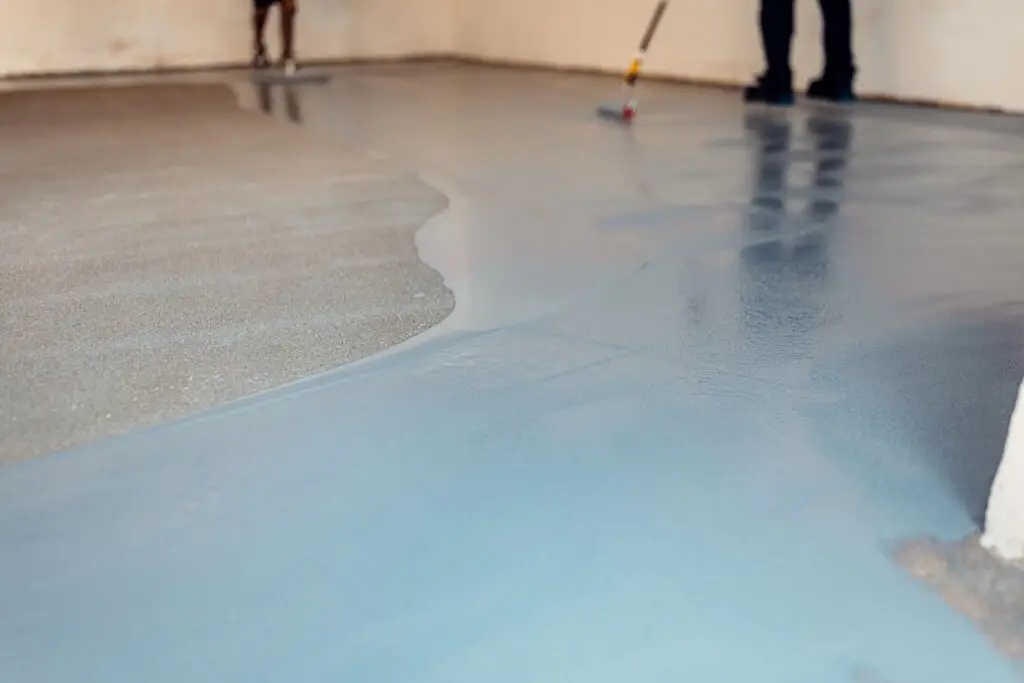
Renovating an outdated or stained tile floor traditionally requires a messy, expensive demolition process. However, modern epoxy systems have emerged as a premier alternative, allowing homeowners to resurface ceramic, porcelain, and stone tiles without removing them. Epoxy provides a hard-wearing, glass-like finish that can completely transform the aesthetic of a room while adding decades to the floor’s lifespan.
Quick Answer: Epoxy Is One of the Most Durable Options for Tile Floors
Unlike standard floor paints or “porcelain” DIY kits, epoxy is an exothermic chemical reaction between a resin and a hardener. This creates a cross-linked polymer bond that is significantly thicker and more impact-resistant than any water-based acrylic paint. For tile floors that endure heavy foot traffic or moisture, epoxy is the most reliable resurfacing solution available.
Why Epoxy Outperforms Regular Paints
Standard floor paints sit on top of the tile and rely on a mechanical bond that is easily broken, leading to peeling and “hot tire pickup” in garages or chipping in kitchens. Epoxy, specifically high-solids or 100% solids epoxy, creates a chemical bond. It is resistant to chemicals, oils, and intense scrubbing, making it virtually impossible to peel once it has fully cured.
Benefits of Epoxy on Tile Floors
Water Resistance
Tile is often found in “wet” areas. Epoxy is naturally non-porous. When applied over tile, it creates an impermeable barrier that prevents water from seeping into grout lines. This eliminates the risk of subfloor rot or mold growth beneath the tiles, which is a common issue in older American homes with cracked grout.
High Durability
Epoxy has a high compressive strength. It can withstand the weight of heavy appliances, dropped kitchenware, and high-heeled shoes without cracking. In the US, where “industrial chic” and “modern minimalism” are trending, epoxy is favored because it maintains its gloss and structural integrity for years under stress.
Seamless Appearance
One of the primary complaints about tile floors is the maintenance of grout lines. Epoxy flows into the grout joints, leveling the surface and creating a monolithic, seamless floor. This not only makes the room feel larger and more modern but also makes the floor significantly easier to sanitize, as there are no crevices for dirt and bacteria to hide.
Preparation Is Critical
The success of an epoxy floor is 90% preparation. Because tile is naturally glazed and non-porous, epoxy will not stick to a “smooth” surface.
Deep Cleaning and Etching
Every trace of wax, grease, and soap scum must be removed. Professionals use a heavy-duty TSP (Trisodium Phosphate) solution for cleaning. After cleaning, the tile must be “etched” or mechanically sanded.
- Diamond Grinding: For the best results, a walk-behind floor grinder is used to remove the factory glaze from the tile, creating a “profile” (a rough texture) for the epoxy to grab onto.
- Acid Etching: If grinding isn’t possible, a phosphoric acid solution can be used to eat away the glaze, though this is less common in modern professional applications due to safety and consistency.
Repairing Grout and Cracks
Before the first coat of epoxy goes down, any loose grout or cracked tiles must be repaired. Epoxy will bridge small gaps, but if a tile is “tenting” or moving, the epoxy will eventually crack. Use a high-quality epoxy filler or fortified thin-set to ensure the substrate is rock-solid.
Where Epoxy Tile Floors Work Best
Basements and Laundry Rooms
In basements where moisture can be an issue, epoxy provides a vapor-resistant barrier. In laundry rooms, the chemical resistance protects the floor from bleach or detergent spills that would otherwise stain grout.
Bathrooms (With Ventilation)
Epoxy is excellent for bathrooms due to its waterproof nature. However, application requires strict adherence to ventilation standards. Most high-performance epoxies contain VOCs (Volatile Organic Compounds) that require a respirator and high-volume fans during the curing process.
FAQs
How long does epoxy last on tile floors?
With proper professional installation and a high-quality topcoat (such as a polyurethane clear coat), an epoxy floor can last 15 to 20 years. Residential applications often last even longer if the floor is kept free of abrasive sand and grit.
Is epoxy slippery?
A high-gloss epoxy floor can be very slippery when wet. To meet US safety standards and prevent slips, professionals mix an anti-skid additive (like fine aluminum oxide or glass beads) into the final topcoat. This provides grip without ruining the color or finish.
Can epoxy be removed later?
Removal is difficult. Because epoxy is designed to be permanent, removing it requires professional-grade floor grinders to “shave” the polymer off the tile. It is generally considered a permanent renovation.
Upgrade Your Floors to a High-Performance Finish
Don’t settle for stained grout and chipped tiles. Epoxy offers a sleek, modern, and indestructible solution that adds value and beauty to your home.
Contact Anderson’s Painting today for a professional consultation and discover how our epoxy flooring systems can revitalize your space!