
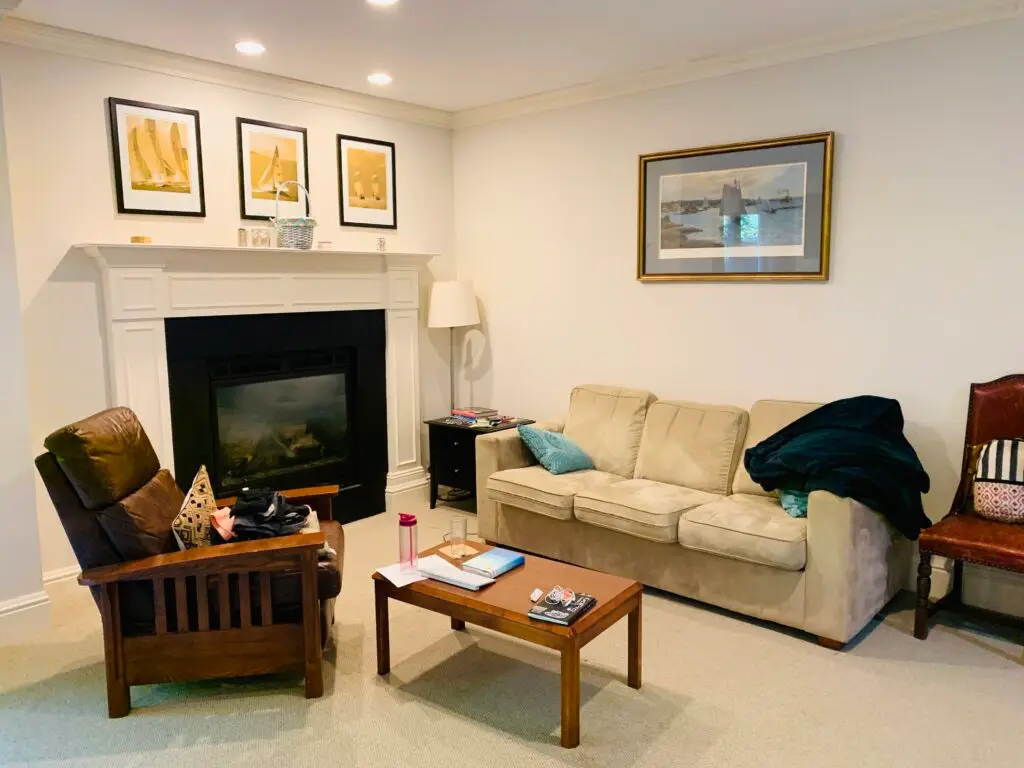
A fireplace is often the natural focal point of a living room, and its color can dramatically influence the overall atmosphere of the space. While a classic brick fireplace has its charm, a fresh coat of paint offers an easy and affordable way to revitalize its look and integrate it seamlessly with your home’s decor. The color you choose should not only reflect your personal style but also complement the room’s existing elements, from furniture to wall color. Here’s a guide to some of the best fireplace paint colors and tips for choosing the perfect shade.
Neutral shades for a classic fireplace look
Neutral colors are a timeless and safe bet for a fireplace. They provide a clean, understated backdrop that allows other decor elements to shine.
- Crisp White: A classic choice that creates a bright and airy feel. White fireplaces work exceptionally well in modern, minimalist, or coastal-themed homes. It’s a great way to make a room feel larger and more open.
- Warm Gray: A step up from white, a warm gray offers a soft, sophisticated look. It complements a wide range of color palettes and adds a touch of modernity without being too stark.
- Greige (Gray-Beige): This color combines the coolness of gray with the warmth of beige, creating a versatile and comforting shade that pairs well with both warm and cool tones. It’s a perfect choice for those who can’t decide between gray and beige.
- Toned-Down Taupe: This earthy, brownish-gray shade brings a sense of grounded elegance. It works beautifully in spaces with natural materials and a rustic or traditional feel.
Bold colors to make a statement
If you want your fireplace to be a true centerpiece, don’t be afraid to use a bold color.
- Deep Charcoal or Black: A black or charcoal-painted fireplace commands attention and creates a powerful, dramatic statement. It’s a popular choice for contemporary, industrial, or moody interiors. It also helps to hide soot and smoke stains.
- Navy Blue: A rich and sophisticated color that adds a pop of personality. Navy pairs well with white and metallic accents for a refined, nautical-inspired look.
- Earthy Green: Muted greens, like olive or sage, can bring a sense of tranquility and connection to nature. This color works beautifully in bohemian or organic-modern spaces.
- Deep Teal: For a vibrant yet elegant look, a deep teal can be an eye-catching choice that works with both warm and cool tones.
Whitewashing vs Dark modern finishes
Choosing a paint color is one thing, but deciding on the finish is another. Each creates a different effect.
- Whitewashing: This technique involves watering down white paint and applying it to the brick. The result is a semi-transparent, rustic finish that allows some of the natural brick color and texture to show through. It’s perfect for a shabby-chic or farmhouse style.
- Dark Modern Finishes: This involves a solid coat of a dark color like black, charcoal, or deep gray. This creates a bold, seamless look that is very popular in modern interiors. It completely transforms the fireplace from a rustic element to a sleek, contemporary one.
Coordinating fireplace colors with room decor
When choosing a color, consider how it will interact with the rest of the room.
- Contrast: A fireplace in a contrasting color to the walls can make it stand out. For example, a white fireplace against a dark gray wall creates a dramatic effect.
- Harmony: A fireplace in a color that matches the walls or is a shade lighter or darker can create a more cohesive and subtle look, allowing it to blend into the space.
- Accents: Tie the fireplace color to other accents in the room, such as throw pillows, artwork, or a rug, to create a unified design.
Tips for choosing heat-resistant paints
No matter what color you choose, always use a paint formulated for high heat.
- Check the Label: Look for paints specifically labeled for use on fireplaces, stoves, or masonry. They are designed to withstand high temperatures without bubbling, peeling, or releasing toxic fumes.
- Temperature Rating: Be sure the paint’s temperature rating matches or exceeds the maximum temperature your fireplace reaches.
- Finish: Most heat-resistant paints come in a flat or satin finish. A matte finish will help to hide imperfections in the brick, while a satin finish is easier to clean.
Thinking about painting your fireplace or a different home improvement project? We can help you plan!