
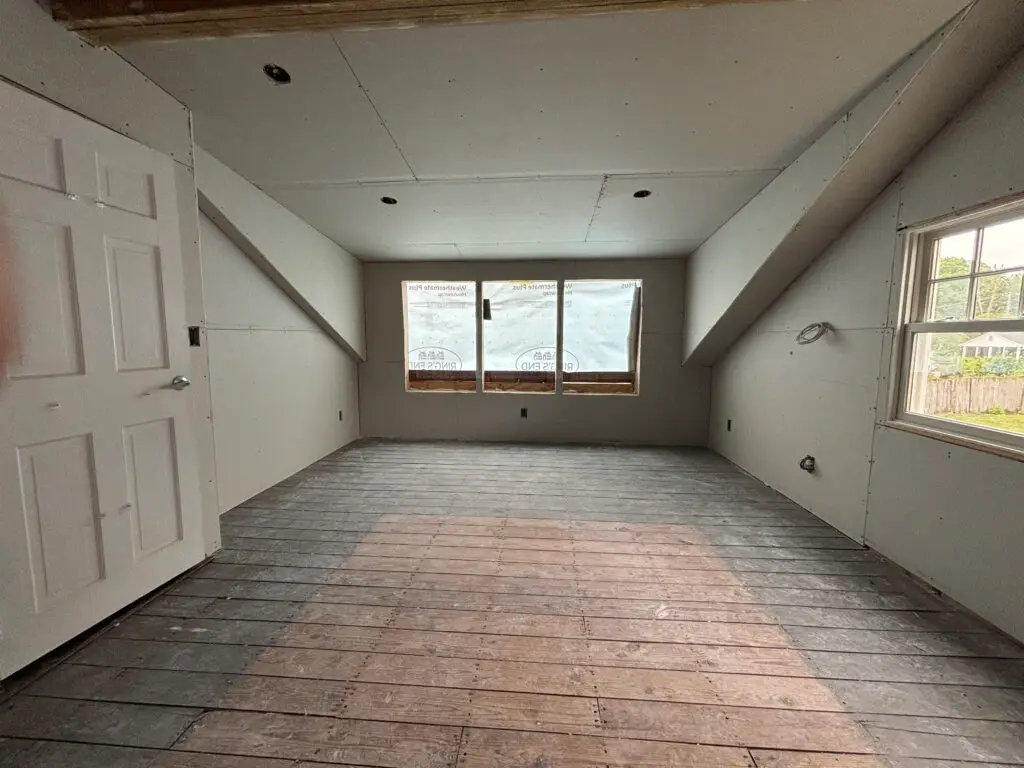
Choosing the right paint color for your basement can completely change the way the space feels. Since most basements lack natural light, the color you choose plays a huge role in how bright, spacious, and inviting the room will be. The goal is to select a shade that works with the unique challenges of a below-ground space.
Why Color Choice Matters in a Basement
Light Reflection in Low-Light Areas
Unlike rooms with plenty of windows, basements rely heavily on artificial light. Lighter paint colors reflect more of this light, making the space feel brighter and less like a cave. Darker colors absorb light, which can be cozy, but might make a small basement feel even smaller.
Creating Comfort and Style
A basement can be more than just a storage space. Whether you’re creating a family room, a home office, or a gym, the right color can help define the space and make it feel like a natural extension of your home.
Top Paint Colors for Basements
Whites and Off-Whites for Brightness
This is the most popular choice for a reason. Crisp whites, soft creams, and light linen shades maximize light reflection. They create an open, airy feel that makes a basement feel less enclosed.
Light Grays and Neutrals for Balance
If a stark white feels too sterile, consider a light gray or a greige (a mix of gray and beige). These colors are stylish and versatile, providing a modern look without making the space feel dark. They pair well with almost any decor.
Warm Beige and Taupe for Coziness
For a basement that you want to feel warm and inviting, a light beige or taupe can be a great option. These colors have a cozy feel and can make a basement feel more like a main-floor living area.
Accent Colors for Feature Walls
Don’t be afraid to use a pop of color. A single accent wall in a deeper shade—like a deep blue, charcoal, or even a forest green—can add a dramatic flair and visual interest. This works well in larger basements or in areas with specific purposes, like a media room.
Tips for Choosing the Right Shade
Considering Ceiling Height
- Low ceilings: To make a low ceiling feel higher, paint it a lighter color than the walls. This creates an illusion of height and openness.
- High ceilings: If your basement ceiling is tall, you can opt for a darker color on the ceiling to create a more intimate and cozy atmosphere.
Natural vs. Artificial Light
Always test your paint color in the actual basement lighting. The same color can look completely different under fluorescent lights versus warmer LED lights. Look at swatches throughout the day to see how the color changes.
Matching with Flooring
Consider your flooring when choosing a wall color. A paint color that contrasts nicely with the flooring can make the room feel more intentional and professionally designed.
Mistakes to Avoid
Dark Colors in Small Basements
While a dark color can be modern, it can also make a small basement feel claustrophobic. It’s best to use dark colors for accents or in large, open basements.
Glossy Finishes That Highlight Flaws
A glossy or semi-gloss finish is great for reflecting light, but it will also highlight every imperfection on your walls, from bumps to small cracks. A flat or eggshell finish is generally the best choice for basement walls because it hides these flaws and provides a softer look.
Ready to transform your basement? For a professional finish and expert advice on the best colors for your space, contact Anderson’s Painting today for a free estimate.