
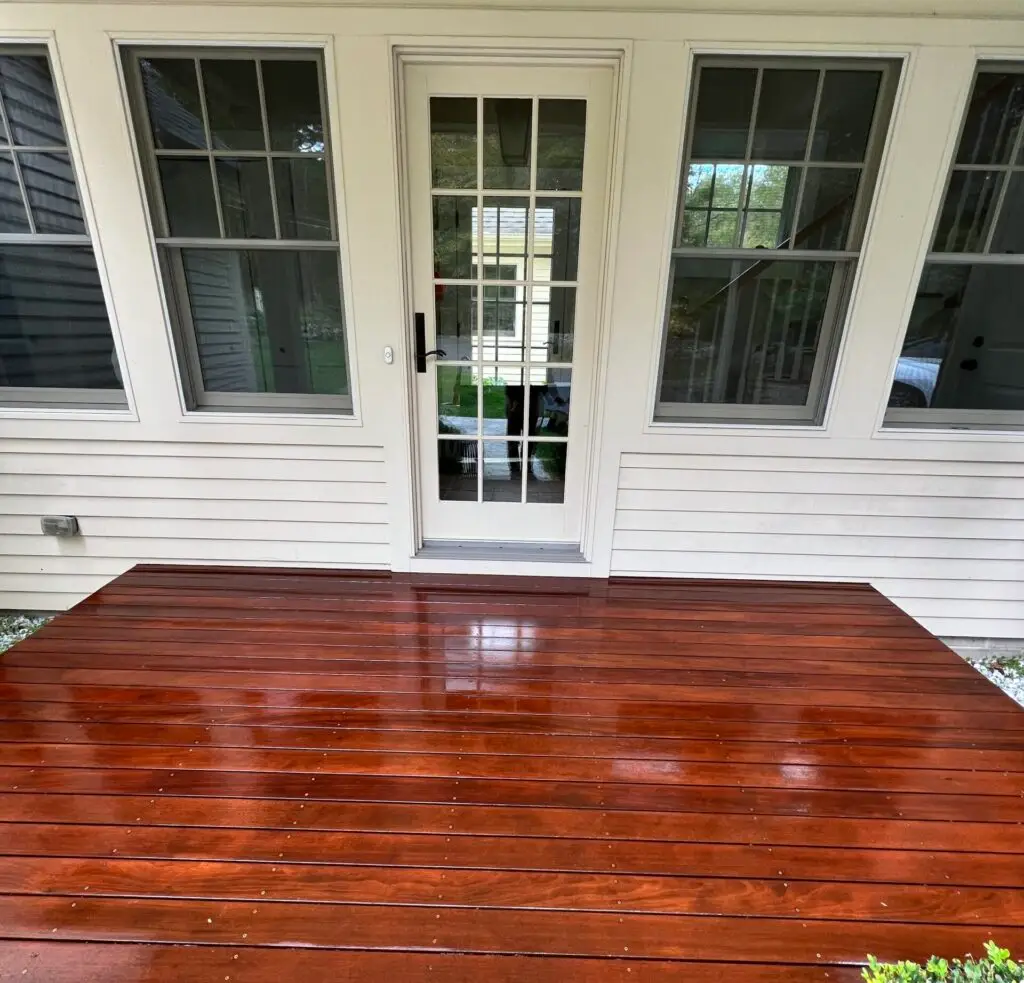
A well-maintained porch adds significant curb appeal and provides a welcoming entryway to your home. Whether your porch is made of wood or concrete, a fresh coat of paint can dramatically transform its appearance, protect it from the elements, and extend its lifespan. Knowing how to paint a porch correctly, accounting for its specific material, is key to achieving a durable, beautiful, and long-lasting finish that stands up to foot traffic and outdoor conditions.
Should you paint or stain your porch?
The choice between painting and staining your porch depends on your desired aesthetic, the material, and the level of maintenance you’re willing to undertake.
- Painting a Porch (Wood or Concrete):
- Pros: Offers a vast array of opaque colors, allowing for a complete change of aesthetic and perfect coordination with your home’s exterior. Provides a thicker, more uniform finish that can hide minor imperfections, blemishes, and inconsistent coloring. Creates a durable protective barrier against water, UV rays, and abrasion. Generally easier to achieve a consistent color across the entire surface.
- Cons: Can be prone to chipping, cracking, or peeling if proper preparation isn’t followed or if moisture becomes trapped underneath. Can obscure the natural texture of wood.
- Best For: When you want a bold, uniform color; to cover existing stains or imperfections; or when you desire maximum protection and a solid, painted look.
- Staining a Porch (Primarily Wood, some Concrete):
- Pros: (For Wood) Penetrates the wood rather than coating it, allowing the natural grain and texture to show through, creating an organic, warm effect. Less prone to chipping or peeling. (For Concrete) Concrete stains chemically react with the concrete to create translucent, variegated color effects that look natural and won’t chip or peel.
- Cons: (For Wood) Limited color palette (often wood tones). Does not hide imperfections. Less opaque. (For Concrete) Does not hide imperfections or existing stains in the concrete. Color can be unpredictable.
- Best For: (For Wood) Enhancing the natural beauty of the wood; desiring a more rustic or natural look; or when ease of reapplication is a priority. (For Concrete) When you prefer a subtle, natural, and low-maintenance aesthetic that highlights the concrete’s character.
Decision: If you desire a bold color, want to hide flaws, or prioritize maximum opaque protection, painting is likely your best choice. If you prefer to showcase the natural material and appreciate a more organic, low-maintenance aesthetic (especially for wood), staining could be ideal.
Tools and paints for outdoor surfaces
Selecting the right products and tools is essential for a durable finish that withstands outdoor conditions.
- For Preparation:
- Stiff-bristled brush or push broom
- Garden hose and/or power washer (with appropriate tips)
- Buckets and sponges/rags
- Mild detergent or specialized exterior cleaner/degreaser
- Scraper (for loose paint/debris)
- Sandpaper (medium to fine grit) or orbital sander
- Exterior wood filler (for wood) or concrete patch/caulk (for concrete)
- Painter’s tape
- Drop cloths or plastic sheeting
- For Painting:
- Paint:
- For Wood Porches: High-quality 100% acrylic exterior latex paint, specifically formulated for porch and floor use. Look for “porch and floor” or “deck and porch” paint.
- For Concrete Porches: Specialized concrete and garage floor paint. Look for 1-part epoxy or 100% acrylic latex concrete paint.
- Primer: A high-quality exterior primer is crucial for both wood and concrete, especially on bare surfaces, previously stained surfaces, or when changing colors significantly. Ensure it’s compatible with your chosen topcoat.
- Roller Frame and Extension Pole: For comfortable and even application.
- Roller Covers:
- For Wood: 3/8″ to 1/2″ nap for smooth to slightly rough wood.
- For Concrete: 1/2″ to 3/4″ nap, suitable for concrete’s texture.
- Angled Sash Brush (2-3 inches): For cutting in edges, corners, and detailed areas.
- Paint Tray and Liners.
- Paint Stir Stick.
- Optional: Non-Slip Additive: For increased safety on wet surfaces, consider mixing a fine grit additive into your final coat of paint or sealer.
- Optional: Clear Exterior Sealer: A compatible clear topcoat for added protection, especially for concrete.
- Paint:
- Safety Gear: Gloves, safety glasses, dust mask/respirator.
Prep steps: Cleaning, repairing, sanding
Proper preparation is the most critical factor for paint adhesion and longevity. Do not rush or skip these steps!
- Clear the Area: Remove all furniture, planters, mats, and anything else from the porch.
- Thorough Cleaning:
- Sweep away all loose dirt, leaves, and debris.
- Wash the entire porch surface with a mixture of mild detergent and warm water. For stubborn dirt, mildew, or algae, use a stiff-bristled brush or a power washer (on a low setting and from a safe distance).
- For oil/grease stains (common on concrete), use a degreaser specifically designed for the surface.
- Rinse the entire porch thoroughly with a garden hose until all soap and cleaning solution residue is gone.
- Allow the porch to dry completely—this can take 24-48 hours, or even longer in humid conditions. Use the plastic test for concrete: tape a 1 ft×1 ft piece of plastic sheeting tightly to the concrete; if condensation forms underneath after 24 hours, it’s still too wet.
- Inspect and Repair Damage:
- For Wood: Look for rotten spots (replace if extensive), loose nails/screws (tighten or replace), splinters (sand), and cracks/holes. Fill small holes or cracks with exterior wood filler, sanding smooth once dry. Scrape off any loose or peeling paint.
- For Concrete: Look for cracks, spalling (flaking surface), or crumbling areas. Repair with appropriate concrete patch or caulk designed for exterior use. Allow repairs to cure fully. Scrape off any loose or peeling paint.
- Sanding:
- For Wood: Lightly sand the entire surface with medium-grit sandpaper (120-150 grit) to create a “tooth” for the new paint to adhere. If old paint is peeling, you may need more aggressive sanding (or chemical stripping) to remove it entirely. Smooth any rough spots with finer grit.
- For Concrete: If there’s old, flaking paint, scraping and possibly light grinding (with appropriate tools) may be necessary. For bare concrete, an acid etch or degreaser is critical to open the pores for adhesion (follow product instructions carefully, including neutralization and rinsing).
- After sanding/etching, thoroughly clean the surface again to remove all dust or chemical residue. Allow to dry completely.
- Taping and Masking:
- Apply high-quality painter’s tape around any adjacent walls, columns, railings, steps, or features you don’t want painted. Press the tape down firmly.
- Lay down drop cloths or plastic sheeting on surrounding areas (e.g., landscaping, walkways) to protect them from drips and overspray.
Painting wood vs. Concrete porch floors
While the general steps are similar, the specific products and considerations vary by material.
Painting wood porch floors:
- Prime All Bare Wood: Apply a high-quality exterior wood primer to any bare wood areas, especially new wood, pressure-treated wood, or areas where old paint was removed. This seals the wood, prevents tannin bleed-through, and promotes adhesion.
- Apply First Coat of Paint:
- Use a high-quality 100% acrylic exterior porch and floor paint.
- Start by using a brush to “cut in” around the edges, corners, and areas next to the tape.
- For the main floor, use your roller with an extension pole. Work in manageable sections, applying paint in thin, even coats.
- Maintain a “wet edge” to avoid lap marks by rolling into the previously painted, still-wet area.
- Work your way out from the house or a designated starting point to avoid painting yourself into a corner.
- Allow to Dry: Let the first coat dry completely according to the paint manufacturer’s instructions (typically 4-8 hours).
- Apply Second Coat: Apply a second thin, even coat of paint following the same method. Two thin coats provide superior durability and coverage.
Painting concrete porch floors:
- Etch and Prime Concrete: For bare concrete, a proper acid etch is almost always necessary to open the pores for adhesion (even if it was cleaned before, this is for profiling). Rinse thoroughly and dry completely. Then, apply a compatible concrete primer if your paint isn’t self-priming.
- Apply First Coat of Paint:
- Use a specialized 1-part epoxy or 100% acrylic latex concrete floor paint.
- Cut in edges with a brush.
- Use a roller with an extension pole for the main floor. Apply paint evenly in manageable sections.
- Concrete is porous, so ensure good saturation without puddling.
- Maintain a “wet edge.”
- Allow to Dry: Concrete paints often have longer recoat times. Follow the manufacturer’s instructions precisely.
- Apply Second Coat: Apply a second thin, even coat. For concrete, two coats are almost always essential for proper coverage and durability.
Finishing and sealing tips
These final steps protect your painted porch and ensure long-lasting results.
- Add Non-Slip Additive (Highly Recommended): For increased safety on both wood and concrete porches, especially when wet, mix a non-slip additive (e.g., fine silica sand) into your final coat of paint or a clear sealer. Stir thoroughly and apply evenly.
- Apply a Clear Sealer (Optional but Beneficial): For added protection and longevity, especially on concrete, consider applying a clear, compatible exterior concrete sealer as a topcoat. This adds an extra layer of defense against abrasion, UV damage, and moisture. Ensure it’s compatible with your paint.
- Respect Curing Times: Paint may feel dry to the touch in hours, but it takes days or even weeks to fully cure and achieve its maximum hardness and durability. Avoid placing heavy furniture, dragging objects, or driving vehicles on the porch until the manufacturer’s full cure time has passed (typically 3-7 days for light traffic, 7-14 days or more for heavy traffic/vehicles).
- Remove Tape When Paint is Wet: For the cleanest lines, carefully pull off painter’s tape while the paint is still slightly wet. If you wait until it’s fully dry, the paint might crack and peel along with the tape.
- Regular Cleaning: Keep your painted porch clean by sweeping regularly and washing with mild soap and water periodically to remove dirt and grime that can degrade the finish.
- Inspect and Touch-Up: Annually inspect your porch for any chips, cracks, or signs of wear. Address these promptly with touch-up paint to prevent small issues from escalating.
By following these guidelines, your painted porch will not only boast a beautiful, refreshed appearance but also provide a durable, protected surface that enhances your home’s curb appeal for years to come.
Ready to revitalize your porch with a fresh, durable coat of paint? Anderson’s Painting specializes in expert exterior painting for both wood and concrete porches, ensuring meticulous preparation, the use of premium, long-lasting paints, and a flawless finish. Let our experienced team transform your home’s entryway! Contact us today for a free consultation.